I N C I N Q U E

Loading

Why Do B2C Brands Hire an Outsourcing Services Company?

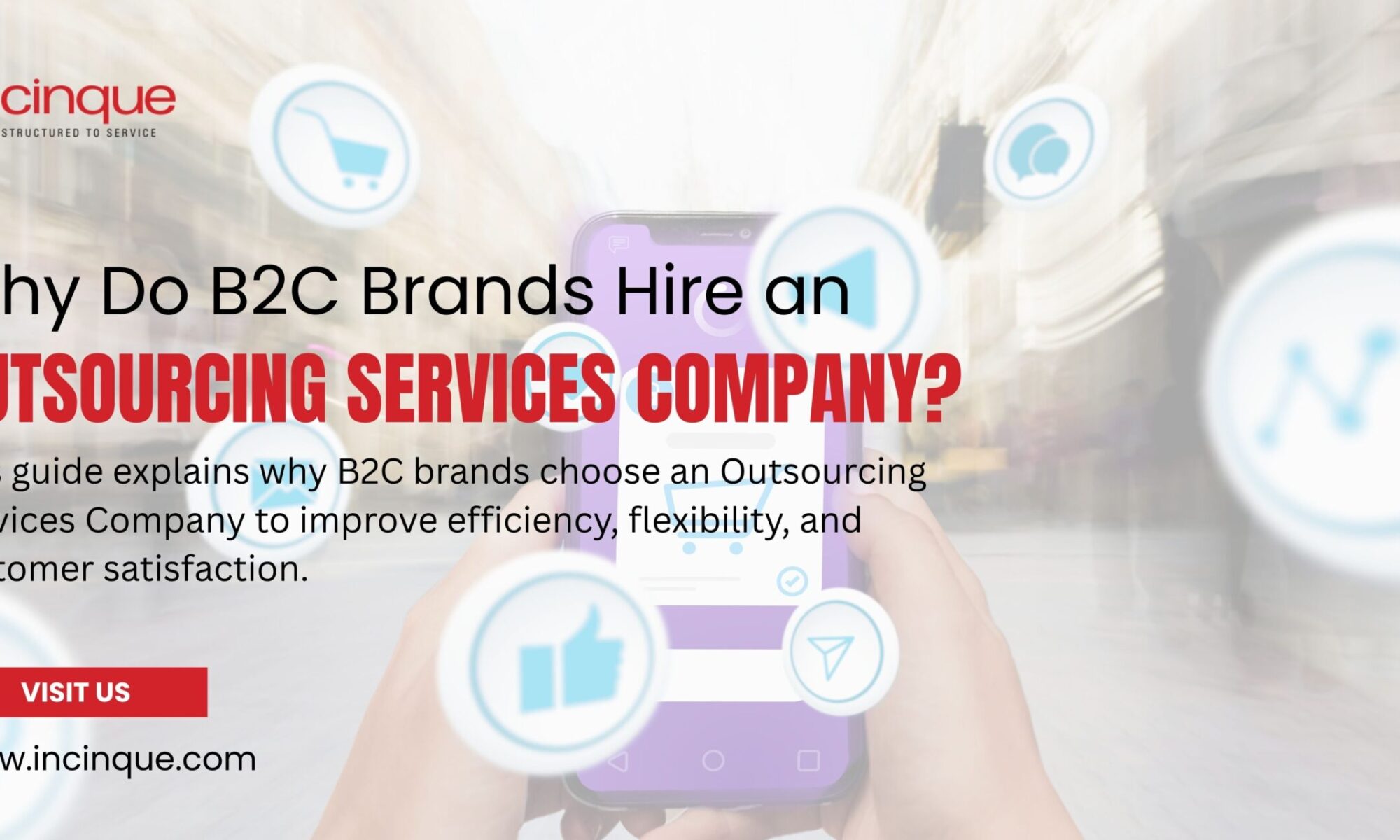
A person using a smartphone surrounded by floating B2C commerce, chat, and support icons.

If you’re running a B2C brand in 2026, you already know this feeling. That constant low-level pressure. The kind where customers expect everything now—answers, refunds, updates, new offers—yet disappear the moment something feels even slightly off. One late reply. One broken checkout. One follow-up that didn’t happen. And suddenly, they’re gone. That’s the reality most people don’t talk about when they say, “The B2C space is competitive.” Competitiveness doesn’t even cover it. It’s exhausting.


I’ve seen internal teams stretched so thin they’re barely breathing. Marketing is answering support tickets. Sales is chasing cold leads that were never qualified. Tech is fixing issues instead of improving anything. Everyone’s busy, but nothing feels under control.


This is where working with an Outsourcing Services Company stops being a “cost decision” and starts feeling like survival. Not because you’re giving up control—but because you’re finally getting some back.

Growth Is Great. Burnout Isn’t.

Here’s something most founders won’t admit out loud: growth can be terrifying.


One campaign works too well.
A sale spikes harder than expected.
An influencer post takes off overnight.


Suddenly, demand explodes—and your systems don’t.


Hiring full-time people just in case doesn’t make sense. You wait weeks. You train. The spike passes. Now you’re stuck with overhead you didn’t need anymore.


That’s where outsourcing company services quietly save the day.


You scale when demand hits.
You step back when it cools.
Customers never feel the chaos behind the scenes.


And for once, your internal team isn’t running on adrenaline and coffee.

Attention Is Cheap. Conversions Aren’t.

Let me be blunt—most B2C brands don’t struggle with visibility.

They struggle with follow-through.

Clicks come in. Leads trickle. And then… nothing. No structure. No nurturing. No real understanding of why people hesitate right before buying.

This is where sales outsourcing solutions actually earn their keep.

Good sales teams don’t guess. They listen. They track behavior. They know when a buyer needs reassurance and when they need space. Paired with a smart lead generation company for B2C companies, the entire approach shifts.

You stop talking to “everyone.”
You start talking to people who are already leaning in.

With proper B2C lead generation and focused lead generation services, outreach feels human again—not desperate or spammy.

The Buying Journey Isn’t Broken—It’s Just Ignored

People don’t usually leave because they hate your product.


They leave because something felt… off.


A delayed reply.
A confusing message.
A promise that didn’t get followed up.


Tiny moments. Big consequences.


Outsourced lead nurturing fixes those invisible gaps. Better CRMs. Smarter automation that still feels human. Clear visibility into where interest fades and why.


That kind of insight changes how you sell—without shouting louder.

Support Is Where Trust Is Won (or Lost Forever)

Ask customers why they stopped buying from a brand, and the answer is rarely dramatic.


“It was hard to get help.”
“No one responded.”
“I felt ignored.”


Today’s buyers expect support everywhere—chat, email, social, weekends, late nights. Doing that in-house? Brutally expensive and nearly impossible to maintain.


That’s why customer service outsourcing companies exist.


Trained agents. Multiple languages. AI-backed systems that help people faster—but don’t treat them like ticket numbers. When support works, customers don’t just stay. They come back.


And they tell others.

When Tech Works, No One Notices. When It Fails, Everyone Does.

Tech isn’t flashy—until it breaks.


A checkout glitch.
An app crash.
A security issue.


That’s all it takes to undo months of brand trust.


Working with an IT outsourcing services company means someone is always watching the backend—systems, infrastructure, cybersecurity—so your team isn’t stuck reacting all the time.


When tech “just works,” growth feels smoother. And calm is underrated.

The Things That Matter Most

Some things don’t get applause, but they shape the entire customer experience.

Hiring Solutions

Finding good people is hard. Finding them fast is harder. Outsourced Hiring Solutions through RPO teams cut hiring time, screen better, and still protect your culture.

Digital Marketing

Algorithms change weekly. Attention shifts daily. Outsourced Digital Marketing teams live inside SEO, PPC, and content trends so your brand doesn’t fall behind while trying to keep up.

Logistics

The final moment—the delivery—is where everything gets judged. Outsourced Logistics partners manage inventory, fulfillment, and last-mile delivery so customers get what they expect, when they expect it.

The Real Truth About Outsourcing

Outsourcing isn’t about doing less. It’s about doing the right work.


When you partner with the right experts, you don’t just add capacity—you gain perspective. You move faster without cutting corners. You respond better without burning people out.


In a market overflowing with options, the brands that win are the ones that feel easy to buy from.


And more often than not, that ease is built quietly—behind the scenes—by the right Outsourcing Services Company.


How to Get Affordable IT Hiring Solutions in Mohali?

A business professional weighting the pros and cons of outsourcing sales and marketing workflows.

If you’ve spent any time in Mohali lately, you can almost feel the buzz in the air — co-working spaces filling up, new tech parks popping out of nowhere, engineering grads rushing between interviews. The city has quietly grown into this energetic mini–tech hub that surprises anyone who hasn’t visited in a while.

But with that growth comes a very real challenge: hiring good IT talent without burning through your budget. If you’re running a business — whether it’s a scrappy startup or a larger company trying to scale — you already know how tricky it can get. Salaries are rising, competition is high, and the “perfect candidate” seems to be getting chased by every recruiter within a 20-km radius.

So the real question becomes: How do you find affordable IT hiring solutions in Mohali without compromising on quality?

What follows isn’t a textbook-style guide. It’s a mix of practical ideas, a few lessons learned the hard way, and what I’ve personally seen work for businesses trying to make the most of Mohali’s incredible (and often underrated) talent pool.

Why Mohali Works So Well for Businesses Everywhere

One thing I love about hiring in Mohali is that it feels like this sweet spot between affordability and real technical capability. You’re not paying Bangalore or San Francisco salaries, but you’re still getting people who genuinely know their craft.

The city’s educational pipeline is strong — every year, thousands of fresh engineering and IT graduates enter the workforce. Many are hungry to learn, eager to work on real projects, and way more grounded than candidates you’d find in major metros.

If you’re strategic about how you hire, Mohali can easily become one of your most cost-efficient recruitment zones, especially for global workforce planning.

1. Strengthen Your In-House Recruitment (More Than You Think You Need To)

A lot of companies rush to staffing agencies before giving their internal system a fair chance. I’ve been guilty of it too — when hiring gets chaotic, you naturally want someone else to take the load. But strengthening your internal process actually reduces long-term costs and your dependency on external vendors.

Start by Using the Right Digital Platforms

Ten years ago, hiring meant newspaper ads or praying that someone with a good CV would walk through the door. Today? Most of the good candidates are already scrolling through LinkedIn or applying on job boards while sipping cold coffee at some local café.

Use that to your advantage:

  • Post on LinkedIn, Naukri, Indeed, and relevant tech-specific platforms.
  • Don’t forget niche job boards — especially for roles like DevOps, cybersecurity, or AI.
  • Keep your own “Careers” page alive. You’d be surprised how many direct applications you get when it’s updated and actually looks inviting.

Every direct application you get is money saved.

Build a Brand Candidates Want to Be Part Of

Hiring becomes infinitely more affordable when people want to work with you.

Show your personality: how your team thinks, works, supports each other. Celebrate the small wins online — your workplace, events, culture, stories. People follow vibes more than job descriptions.

And if you haven’t tapped into employee referrals yet, you’re leaving gold on the table. Referrals almost always turn into better hires at a fraction of the cost.

2. Partner with the Right Hiring Firms (Not Just the Cheapest Ones)

Sometimes — especially when you’re hiring fast or looking for niche skills — you do need outside help. But here’s my honest advice: don’t just pick the first staffing company that quotes the lowest fee.

What really matters?

  • Specialization: You want a firm that understands your tech stack. Someone who knows the difference between a React developer and a React Native developer (you’d be shocked how many don’t).
  • Flexible terms: Negotiate. Ask for contingency models, part-RPO support, or hybrid structures. Many agencies adjust their pricing if they see long-term potential.
  • Local HR consultants: If you’re new in Mohali, a consultant can save you from unnecessary legal missteps and help you set the right salary benchmarks.

A good partner doesn’t feel like a vendor — they blend into your process, lighten your load, and genuinely help you hire smarter.

3. Try Alternative Hiring Models (They Save More Money Than You Expect)

Not every requirement calls for a full-time hire. And honestly, sometimes flexibility works better than adding another name to the payroll.

Freelancers + Contract Talent

Mohali has a huge freelance IT community — people who left full-time jobs because they wanted control over their work-life balance. And many of them are exceptionally good at what they do.

Platforms like Upwork or Toptal are great, but even local networks, LinkedIn groups, and tech meetups can help you find serious talent quickly and affordably.

You only pay for what you need. No overhead. No benefits. Perfect for short-term or skill-heavy projects.

Internships + College Partnerships

If long-term cost efficiency is important, build relationships with nearby colleges. Get interns. Mentor them. Let them learn your culture, your tools, your expectations.

Some of the strongest teams I’ve seen were built on interns who stayed and grew with the company. It’s a strategy that requires patience, but the payoff is huge.

Conclusion:

There’s no single magic formula. It’s a blend of:

  • making your internal recruitment sharper,
  • choosing the right external partners when needed,
  • and staying flexible with how you source and hire talent.

Mohali has everything you need — skilled people, a cost-effective market, and a mindset that’s hungry to grow. With the right approach, you can build a strong IT team without stretching your budget thin.

If done thoughtfully, affordable hiring doesn’t feel like “budget hiring” at all — it feels like building a team the smart way.

Top Types of Digital Marketing and How to Use Them

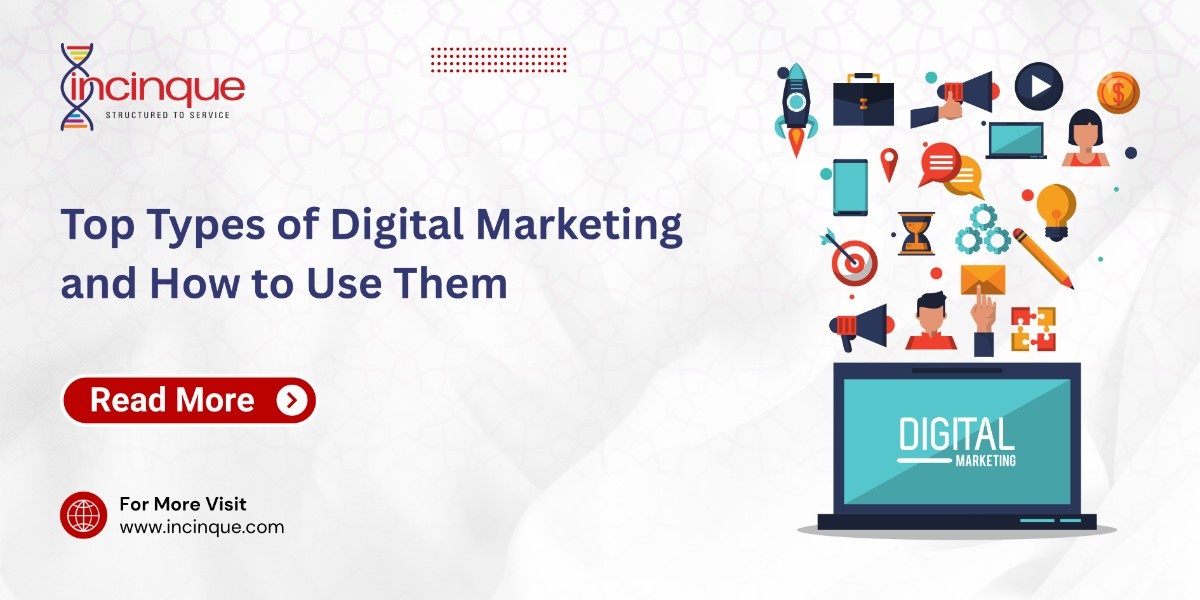
A laptop with various digital marketing icons—such as a rocket, briefcase, megaphone, and target—floating above it, representing the diverse channels used in modern marketing.

The digital world is expanding more quickly than ever, and with it, so is the audience communication strategy used by brands. Businesses need to be visible in the right place at the right time in an environment where customers spend hours scrolling, searching, and discovering online. At that point, digital marketing becomes essential rather than merely a tactic.


Knowing the many forms of digital marketing enables you to develop more intelligent campaigns that successfully reach, engage, and convert clients, whether you’re a company founder, an agency owner, or just looking for new methods to expand online.


Let’s dissect everything in a straightforward and practical manner.


Why Knowing Digital Marketing Types Matters

Imagine spending money on marketing but not knowing which channels are most effective. That is what a lot of companies do. The strengths of various channels vary; some generate leads, some raise awareness, and some convert rapidly. You can better allocate your budget, increase ROI, and take advantage of growth prospects when you comprehend them.


Studies from HubSpot show that businesses using multiple marketing channels perform better in engagement, conversion, and long-term retention compared to those relying on a single medium.


In summary, the more strategic your blend, the better your outcomes will be.

Top Types of Digital Marketing & How to Use Them

The most popular and successful digital marketing strategies available today are listed below, along with advice on how to use them effectively.


1. Search Engine Optimization (SEO)

Your website will rank higher in Google search results thanks to SEO. Customers cannot purchase from you if they are unable to locate you online. You may regularly generate free organic traffic with the correct keywords, website optimization, and high-quality content.

How to use SEO:

  • Optimize pages with relevant keywords
  • Improve page speed and mobile-friendliness
  • Publish informative blogs regularly
  • Build quality backlinks

Best for: Organic traffic, long-term brand growth, trust building.

2. Content Marketing

Your audience is educated by your content before they make a purchase. You may establish your business as an authority while attracting users organically with the use of blogs, videos, eBooks, and tutorials.

How to use it:

  • Publish helpful and solution-driven blog posts
  • Create short video content for social media
  • Share tips, tutorials, and educational posts
  • Offer valuable resources like eBooks or checklists

Best for: Lead generation, brand authority, awareness.

3. Social Media Marketing

On social media, people shop, research, and follow companies they love in addition to interacting with one another. Social media sites like YouTube, Facebook, Instagram, and LinkedIn may humanize your company and start genuine dialogues.

How to use it:

  • Share engaging posts consistently (reels, tips, stories)
  • Run ads to reach your target audience
  • Use trendy formats to boost visibility
  • Interact through polls, comments & lives

Best for: Community building, brand presence, engagement.

4. Email Marketing

Remains one of the channels with the best ROI. Through customized messages, email marketing enables you to nurture leads, retarget clients, and forge lasting bonds.

How to use it:

  • Offer newsletters, welcome emails, offers
  • Automate drip campaigns for lead nurturing
  • Personalize based on user behavior

Best for: Retention, remarketing, customer loyalty.

5. Pay-Per-Click Advertising (PPC)

Do you want traffic to your website right away? PPC advertisements provide quick visibility. It is measurable and cost-effective because you only pay when someone clicks.

How to use it:

  • Run Google or Meta ads for targeted traffic
  • Use strong call-to-action lines
  • Test multiple creatives and audiences
  • Track conversions to optimize performance

Best for: Quick leads, product launches, sales campaigns.

6. Affiliate Marketing

Allow people to offer your goods, and only give them a commission when a transaction is made. Scalable exposure and no set ad expense.

How to use it:

  • Partner with bloggers, influencers & publishers
  • Provide affiliate links and creatives
  • Track sales through affiliate dashboards

Best for: eCommerce brands, passive revenue expansion.

7. Influencer Marketing

Influence is in the hands of creators. Because consumers relate to genuine faces more than advertisements, working with influencers accelerates the development of trust.

How to use it:

  • Choose influencers whose audience fits your niche
  • Run product demos, reviews, unboxings
  • Provide personalized discount codes

Best for: Brand credibility, quick awareness, sales.

How Incinque Helps You Choose the Right Mix

Using every channel is not the goal of digital marketing; rather, it is about strategically utilizing the appropriate ones. To create a marketing strategy that truly works, Incinque examines your company’s objectives, target market, and financial constraints.


We assist brands in developing strategies that generate leads, conversions, and revenue growth—with actual, measurable outcomes—from SEO and content to social media advertising and automation.

Conclusion

Opportunities abound in the world of digital marketing. You go from speculating to developing once you comprehend how each technique functions and how to use it. There is a strategy tailored to your objectives, whether they have high sales, website traffic, or brand exposure.


Start investigating these channels, keep trying new things, and improve the ones that work. Additionally, Incinque can help you scale more intelligently if you need advice from professionals who understand the science underlying digital growth.

Omnichannel vs Multichannel: Which is Best for Customer Support?

A 3D illustration featuring a person working on a laptop while sitting on large blue "SEO" letters, accompanied by a gear wheel, a target bulls-eye, and a magnifying glass.

Customers increasingly expect quick, dependable, and convenient service, regardless of the channel they choose. That is why firms are rethinking their customer care strategy and contrasting two primary approaches: multichannel and omnichannel.


Both designs require multiple communication channels, but how they link together makes all the difference. Understanding the distinction is important if you want to increase customer loyalty, improve resolution times, and provide a more modern support experience.

What is a Multichannel Contact Center?

A multichannel contact center enables customers to contact your company over multiple channels, including email, phone, social media, live chat, and messaging apps. Each channel operates separately, with its own workflow and support personnel.

How It Works

  • A consumer sends an email to help, and one agent handles it.
  • A consumer messages on Facebook, and another agent responds.
  • A consumer calls, and a new agent answers.


There is no common context between these exchanges.

Advantages of Multichannel

  • Simple to set up.
  • Ideal for small teams.
  • Allows clients to select their preferred channel.
  • Lower cost than fully integrated systems.

Limitations

  • Each channel holds separate information.
  • Customers may need to repeat the issue.
  • Agents lack a comprehensive understanding of the client journey.
  • It’s difficult to maintain a consistent brand message.

What is an Omnichannel Contact Center?

An omnichannel contact center connects all communication channels into a single, unified platform. It synchronizes customer data across email, live chat, WhatsApp, social media, phone, and self-service tools.

This unified experience is the foundation of omnichannel customer service, where context moves with the customer.

How It Works

  • A customer starts on your website chat → continues the same conversation via WhatsApp → follows up via email
  • The agent sees the entire conversation history in one place

Advantages of Omnichannel

  • Complete 360° customer view
  • Faster issue resolution
  • Smooth transition between channels
  • Higher customer satisfaction (no repeating problems)
  • Stronger personalization
  • Ideal for AI-powered automation and bots

Limitations

  • Requires strong integration.
  • Slightly greater implementation costs.
  • Needs trained agents to use the platform.


Feature Multichannel Omnichannel
System Connection Channels work separately All channels work together
Customer Experience Fragmented Consistent & seamless
Context Sharing No Yes
Agent Efficiency Medium High
Personalization Limited Advanced
Use of AI/Automation Basic Strong
Ideal For Small teams, simple support needs Growing businesses, global brands


Both paradigms allow communication across several media, however omnichannel and multichannel provide significantly different experiences. Omnichannel emphasizes continuity, which is a significant benefit in modern customer service.

Why Omnichannel Works Better for Modern Customer Support

1. Customers Expect Seamless Conversations

People today use multiple gadgets and platforms throughout the day. They expect brands to remember them through all channels.

Multichannel cannot deliver this, but omnichannel can.

2. Agents Become More Productive

Unified dashboards enable agents to examine previous contacts, client history, preferences, and purchases, which reduces ticket handling time.

3. Better Personalization

Omnichannel relies on collected data, making it easier to deliver customized options and cross-sell opportunities.

4. AI Works Best in Omnichannel Environments

Most modern AI assistants and chatbots need unified customer data, which multichannel systems fail to supply.

5. Superior Analytics

A cloud contact center with omnichannel capabilities offers integrated insights, including:

  • Top customer issues
  • Average handling time across channels
  • Satisfaction scoring
  • Abandonment reasons

This allows brands to make informed, data-driven decisions.

Which One Should You Choose?

Choose Multichannel If:

  • You are a small business.
  • You focus on a few essential channels.
  • You just started your customer service activities.

Choose Omnichannel If:

  • You manage large customer volumes.
  • Customers want fast, reliable, and worldwide help.
  • You use several digital platforms.
  • You desire personalization and automation.
  • You rely on complex contact centre software.

Omnichannel is the best strategy for long-term success. It is scalable, efficient, and consistent with how worldwide customers communicate today.

How the Right Contact Center Software Makes the Difference

A modern cloud contact center platform is important for providing a successful omnichannel experience. Look for qualities like these:

  • Unified inbox for all channels
  • AI-powered routing
  • Chatbots & automation
  • CRM integration
  • Real-time analytics
  • Self-service knowledge base

Businesses may use the appropriate tool to improve resolution speed, reduce operating expenses, and increase customer relationships.

Conclusion

Both models, omnichannel and multichannel, connect brands with customers. However, when it comes to providing a modern, seamless, and connected support experience, omnichannel customer service certainly wins.

Companies seeking faster resolution, higher satisfaction, and scalable worldwide assistance should consider upgrading to an omnichannel contact center. It is the future of customer involvement and the basis for a successful customer service strategy.

Why Technical SEO Services Are Important for Website Growth

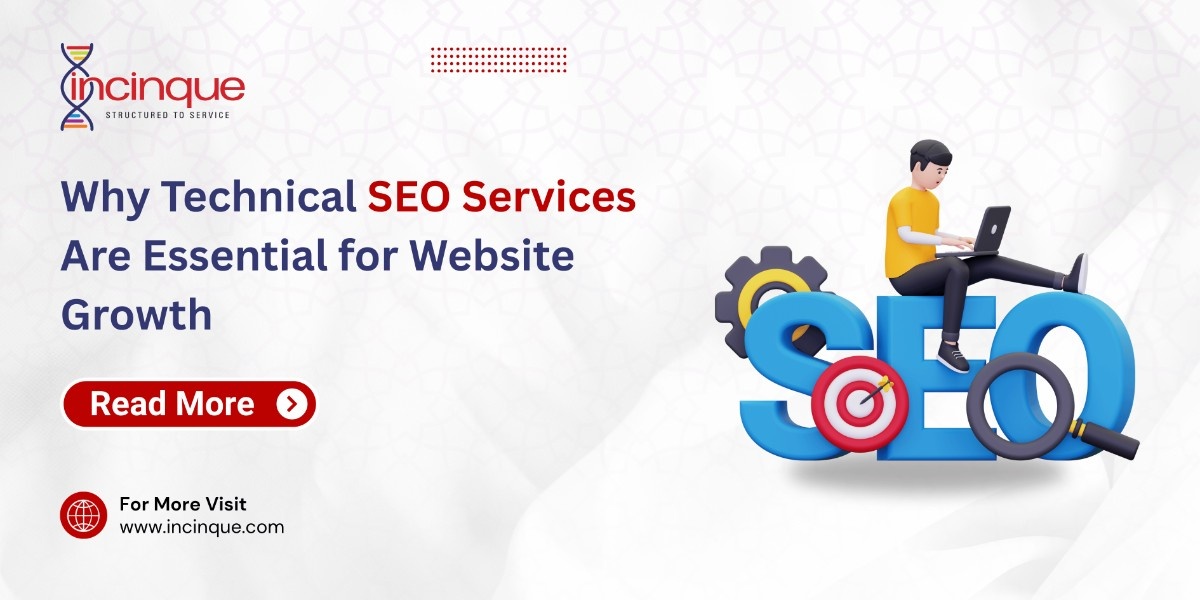
A 3D illustration featuring a person working on a laptop while sitting on large blue "SEO" letters, accompanied by a gear wheel, a target bulls-eye, and a magnifying glass.

Having a visually pleasing website with high-quality content is insufficient for increasing your online visibility. To rank effectively in search engines, your website must have a strong technical base. This is where technical SEO services become important.


Technical SEO focuses on your website’s technical features, such as site structure, mobile friendliness, speed, and how easily search engines perceive your content. If these technology issues are not resolved, your other SEO activities may not produce the desired results.


Correct technical SEO, supported by professional technical SEO services, will make your website faster, more user-friendly, and easier for search engines to interpret. In this article, we’ll look at what technical SEO is, why it’s important, and how to audit and enhance it for more organic traffic and growth.

What Are Technical SEO Services?

Technical SEO is the area of SEO concerned with optimizing your website’s technical configuration so that search engines can easily crawl, read, and index its pages. It focuses on page load time, sitemaps, URL structure, schema markup, navigation, and overall website performance. Many businesses rely on technical SEO services to ensure these essential elements are properly optimized.


A website may look great and include high-quality content, but it will not draw organic traffic if search engines or people can’t find it easily. That is why technical SEO is so important: it speeds up your site, makes it easier to traverse, and helps search engines understand it better.  With the help of professional technical SEO services, you can eliminate hidden issues that affect site performance and rankings.


A strong technical SEO strategy has three main objectives:

  • Make Your Website Load Quickly
  • Helping search engines crawl your site smoothly
  • Providing exact data so that your pages can be properly indexed.


Technical SEO is an important part of on-page SEO because it focuses on everything on your website that helps to improve search rankings and user experience. Using expert technical SEO services further strengthens these efforts and ensures long-term organic growth.

Why Do You Need Technical SEO Services?

Imagine your website to be a well designed home. No matter how wonderful it looks, it will not function correctly if the plumbing or electrical wires are missing. That is exactly what happens when a website lacks technical SEO: it appears to be nice on the surface but is really flawed.

Better Search Engine Rankings

Search engines prioritize websites that provide a seamless, error-free user experience. With technical SEO services, your site becomes cleaner, faster, and more reliable, allowing you to get higher ranks than websites with broken links, slow speed, or technical concerns.

Faster Website Load Speed

Page speed is one of Google’s primary ranking signals. Technical SEO ensures that your images are compressed, code is optimized, and hosting is efficient, which results in:

  • Faster load times
  • Better user experience
  • Lower bounce rates

Mobile Optimization

Since the majority of consumers surfing on mobile devices — and Google utilizing mobile-first indexing — mobile performance is important. Technical SEO guarantees that your website is completely responsive and provides a consistent experience across all screen sizes.

Improved Crawlability and Indexing

Technical SEO solves the deeper problems that stop search engines from properly scanning your site, such as restoring blocked pages and improving URL structures. This allows Google to crawl, interpret, and index your information more properly, hence increasing your visibility.

Higher Conversion Rates

A technically sound website not only attracts visitors, but also converts them. When your website opens quickly, seems trustworthy, and functions perfectly, users stay longer, interact more, and are much more likely to take action.

How to Get Started Technical SEO

Technical SEO doesn’t have to be hard to get started. The entire procedure can be made simpler by collaborating with a knowledgeable digital marketing company. Incinque offers thorough technical SEO services that are customized to your unique business goals. We guarantee that your website is appropriately optimized, easily crawlable, and functions at its best through comprehensive website audits and methodical technical modifications.

Recommended Tools for Technical SEO

Here are some free and paid tools that can help you assess and improve your technical SEO:

Conclusion

Technical SEO is the foundation of all other digital marketing campaigns. Even with the best content and design, your website will struggle to rank, get traffic, or convert visitors. By making sure your website is speedy, mobile-friendly, error-free, and easy for search engines to crawl, you set the stage for long-term organic development.


Investing money into expert technical SEO services provides your company a competitive edge. It improves user experience, strengthens the functionality of your website, and finds underlying problems, all of which directly lead to higher rankings and conversions. Technical SEO is crucial for long-term online success, whether you’re building a new website or making improvements to an old one.


Now is the time to give technical SEO top priority and collaborate with professionals who can take your website from the backend to the front page of search results if you want it to function as well as it looks.

Why Digital Marketing is a Game Changer for Your Business

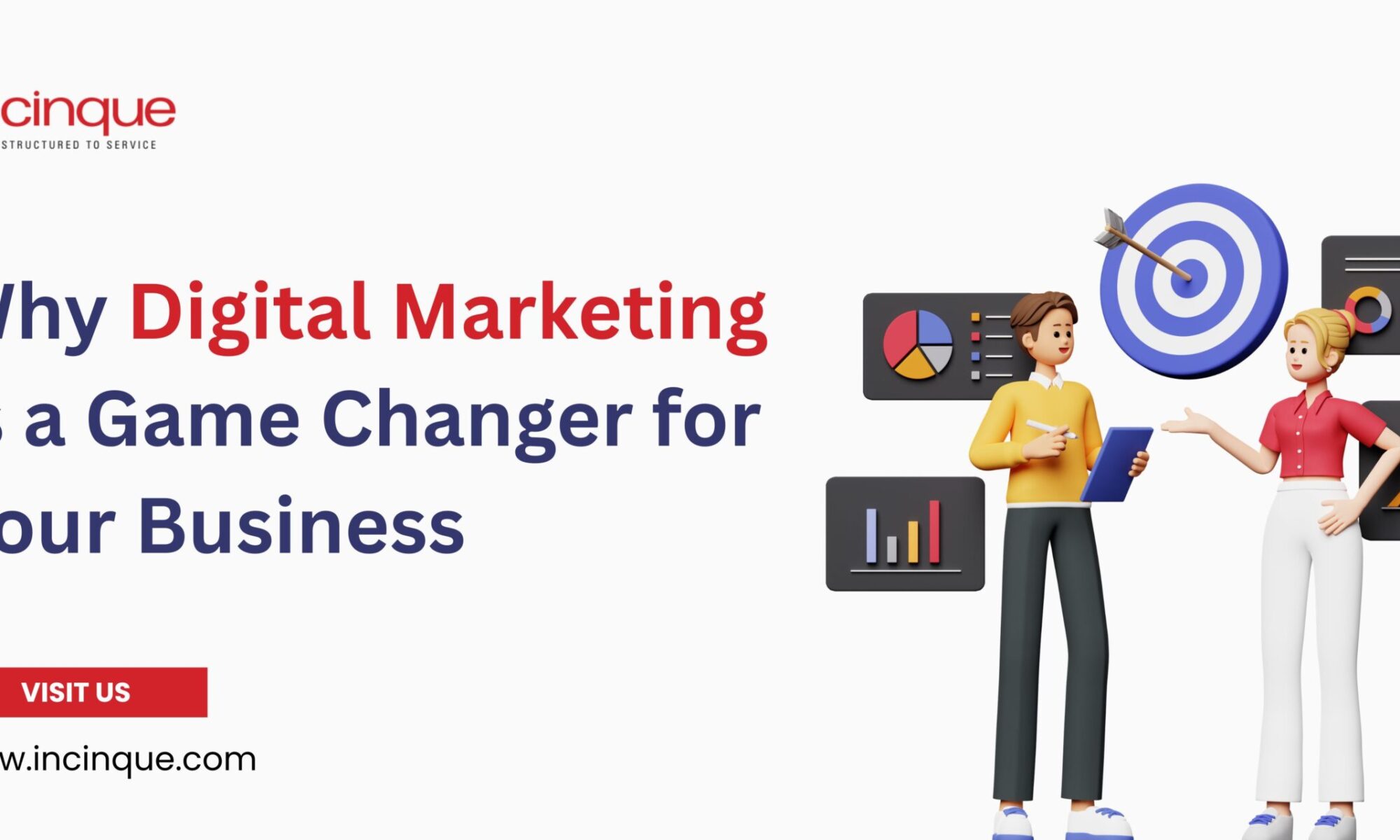
3D characters analyzing data charts and a target board to show why digital marketing is a game changer.

Key Advantages of Digital Marketing for Business Growth

Digital marketing is not a passing trend; it signals a fundamental shift in how organizations engage with their customers. The transition from wide, expensive traditional advertising to focused, data-driven digital techniques is altering the face of advertising. The writings on this issue usually highlight that whether you go it alone or hire a professional agency, digital marketing provides a competitive advantage that is easy to reach, efficient, and extremely successful. When you understand the advantages of digital marketing, you realize just how successful it is.

Here is the benefits of digital marketing, based on insights from top informational resources:

Identify Your Perfect Audience (No More Guesswork)

One of the most significant advantages of digital marketing is its high targeting accuracy.

  • Goodbye to Mass Marketing: Rather than screaming into the void with TV or print advertisements, digital solutions enable you to target people based on demographics, interests, previous purchase behavior, and location.
  • Highly Relevant Messaging: This level of precision ensures that your message reaches those who are most likely to be interested in your products or services, boosting the likelihood of conversion and improving the effectiveness of your marketing budget.

2. Maximum ROI, Minimum Budget

Digital marketing provides higher ROI than traditional approaches, making it a popular choice for businesses of all kinds, from startups to conglomerates. This is when the advantages of digital marketing services become even clearer.

  • Cost-effective methods: Many significant strategies, such as SEO and content marketing, can be used with minimal financial involvement.
  • Leveling the Playing Field: It streamlines marketing, allowing small firms to compete for the same audience using smart, focused techniques.

3. Every Click Tells a Story: Data-Driven Success

The unique capacity to measure results in real time has been generally praised in professional blogs. This is one of the advantages that differentiates digital marketing from traditional advertising.

  • Transparent Performance: You can track every click, website visit, and purchase.  Tools such as Google Analytics provide clear metrics on what works and what does not.
  • Agile Optimization:This information allows quick modifications through agile optimization. If a campaign isn’t working well, you can switch immediately rather than waiting weeks for it to end.

4. Global Reach, Local Impact

Digital platforms break down geographical borders, opening up new markets and increasing local engagement.

  • Borderless Business: An online store allows a small local shop to offer its unique products to a worldwide audience all at once.
  • Hyper-Local Targeting: Local SEO allows companies to dominate location-based search results (for example, “cafes near me”), bringing foot traffic to their door.

The Agency Advantage: Why Specialists Accelerate Growth

While it is possible to do digital marketing on your own, many experts believe that working with a digital marketing agency is a better option. Understanding the advantages of digital marketing agency support allows you to take advantage of expert skills to expand faster and more successfully.

1. Access to a ‘Swiss Army Knife’ of Expertise

The digital world is vast and continuously changing.

  • A Team of Specialists: Agencies provide experts in SEO, PPC, social media, email marketing, and content creation. You get a comprehensive plan without the additional HR costs of hiring many consultants.
  • Staying Ahead of the Curve: Agencies monitor platform algorithm updates and trends to ensure that your firm is using the most up-to-date and effective strategies.

2. Time is Money: Focus on What You Do Best

Managing digital campaigns is time-consuming.  Outsourcing allows organizations to concentrate on their main objectives.

  • Efficiency and Execution: Allow experts to handle the extensive tactical work while you guide the overall business direction.

3. An Unbiased, Fresh Perspective

Internal teams can develop tunnel vision.

  • Objective Insights: Agencies provide honest feedback and creative ideas that could come up internally. This is one of the most underappreciated advantages of digital marketing services provided through an agency approach.

Summary: A Smart Investment

The takeaway from informational blogs is clear: digital marketing is no longer optional. Understanding the benefits of digital marketing enables businesses to make more effective decisions. Businesses can achieve unprecedented growth by leveraging digital channels’ precision, data capabilities, and global reach. And by collaborating with a trained team, you may reap the full benefits of digital marketing agency help, including efficiency, knowledge, and a high return on investment.


How to Choose the Right Web Designer on a Budget?

Illustrated design team constructing a website interface to show how to choose the right web designer on a budget.

You are a business owner looking for a dependable and economical web design partner—an absolute necessity for small firms, startups, and entrepreneurs that want a solid online presence without splurging on marketing. The good news is that affordable, professional web design services are entirely achievable if you know what you’re looking for. This blog discusses how to compare budget web design services, make an informed decision, and stay inside your budget.

1. Start With Your Goals and Budget

Before you begin comparing designers, define your website’s aims. Whether you want a simple service page or a feature-rich online store, the goal will influence the cost. Once your demands are clear, you can safely find companies who offer low-cost website design while still meeting your main criteria.

2. Review Their Portfolio Carefully

You could propose that designers show previous work in your industry; this is one of the best indicators of whether their skills match your company’s needs. Conduct a web design portfolio review to evaluate their creativity, design consistency, mobile responsiveness, and industry experience. Look for similar websites to guarantee they can deliver the same level of quality. This allows you to assess whether the designer can provide a professional, well-designed website at a fair cost.

3. Compare Freelancers vs Agencies

If you are unsure about whether to hire freelancers or web design firms, you should consider the advantages and downsides of each.

Freelancers frequently provide affordable web design services and greater flexibility, making them suitable for small enterprises on a tight budget. They typically have reduced overhead expenditures, resulting in low-cost website design with a more intimate working relationship. The disadvantage is that a freelancer may have limited availability, a longer turnaround time, and fewer resources—particularly for large projects that involve various skill sets such as UX/UI design, development, SEO, and continuing technical support.

Web design agencies, on the other hand, have an entire team of professionals who provide polished results, established techniques, and continuing technical support. Their key qualities are dependability, diverse skill sets, outstanding UX/UI design, and ongoing post-launch support. However, agencies are frequently more expensive due to increased operating costs, rendering them inappropriate for extremely tight budgets.

If you need economical, simple, and rapid web design, a freelancer can work within your budget and project size. However, if your organization need high-quality design, long-term support, and a team that can grow with your needs, hiring an agency is a better alternative.

4. Check Pricing Transparency

One of the most difficult elements of budget web design services is dealing with confusing or hidden pricing. Always seek transparent pricing that includes design, development, revisions, plugins, hosting, and any additional fees. Inquire about the cost of UX/UI enhancements, customized artwork, advanced functionality, and additional pages. Clear and direct communication from the start might help you prevent unexpected costs later.

5. Evaluate Technical Skills and Support

Even a physically appealing website is ineffective unless it functions properly. Examine the designer’s technical skills in areas like as mobile responsiveness, SEO foundations, website load optimization, and experience with CMS platforms such as WordPress or Shopify. Examine the type of technical support and ongoing maintenance they provide. Even a low-budget project need long-term dependability and consistent support.

6. Ask About Post-Launch Support

Even after you launch your website, it will require continual upgrades, security checks, and bug patches. Reliable designers offer post-launch support through maintenance packages or pay-as-you-go services. Ensure that your designer is available for future updates and does not leave after producing the final website.

7. Outsource Smartly When Needed

If you’re on a limited budget, you can outsource web design cheaply by employing designers from countries known for producing high-quality work at reduced prices, such as India, the Philippines, Pakistan, and Eastern European countries like Ukraine or Romania. These locations offer experienced designers at competitive rates. Just make sure they have excellent communication skills, a great portfolio, and dependable reviews. When done effectively, outsourcing can dramatically cut expenses while maintaining high quality results.

8. Learn to Negotiate

Prices are frequently adjustable. You can employ smart web design negotiating methods like:

  • Asking for bundled services
  • Requesting fewer modifications at a lesser cost
  • Paying advance in exchange for a discount.
  • Choosing template-based layouts over fully customized designs.

These bargaining strategies help to lower total costs while still guaranteeing that your website meets all necessary criteria.

9. Finalize a Clear Contract

A thorough agreement protects both you and the designer. Make sure the contract specifies dates, deliverables, pricing, revision restrictions, ownership rights, and support terms. Following correct web design contract rules establishes clear expectations, avoids misunderstandings, and keeps the project on track from beginning to end.

Final Thoughts

Choosing the right web designer on a budget necessitates clarity, research, and sound decision-making. When you clearly define your goals and expectations, affordable web design for small businesses becomes possible without losing competence. Concentrate on portfolio analysis, pricing transparency, technical expertise assessment, and long-term support confirmation. These strategies will assist you in making the most of your investment while also building a strong and effective online presence.

How to Find Best IT Recruitment Company

A professional man and woman discussing tech talent solutions over a laptop screen.

Grow Your Tech Team: Easy Way to Choose the Right IT Staffing Partner

Today, every business relies on technology. But technology is evolving rapidly every year — in areas like cloud computing, artificial intelligence (AI), web development, digital marketing, and cybersecurity. This fast-paced change makes it difficult and expensive for companies to find the right skilled professionals — a global challenge faced by businesses everywhere.

For many business owners and hiring managers, the challenge is clear — finding professionals with the right niche skills, within budget, who also fit the company’s team and culture. A wrong tech hire can cost a lot of money, delay projects, slow down your team, and even lead to losing valuable clients.

This is why smart companies know the secret to saving time, staying within budget, and avoiding the loss of valuable clients — they partner with the right IT staffing agency. However, choosing the wrong partner can make your problems even worse. Finding the right one is a major decision that impacts your team’s future and your company’s growth. This simple guide covers five essential checks to help you evaluate any potential IT recruitment agency.

Why Hiring a Quality IT Staffing Partner is Important

A specialist IT Staffing Partner gives you two main benefits that internal HR teams often struggle with:

  1. Access to Global, Niche Talent: The best tech talent isn’t always available locally — and they often don’t apply for jobs publicly. Specialist IT staffing agencies have deep global networks of experienced and highly skilled professionals in high-demand areas such as DevOps, Kubernetes, and data science. These are candidates you usually can’t find on your own.
  2. Speed to Value: When your project slows down because you’re missing the right engineer, every day adds to your losses. A dependable IT recruitment agency helps you find skilled talent faster, so work resumes in weeks, not months.

Your main goal is to find an idol partner that works like an extension of your own hiring team.

5 Must-Have Checks for Your IT Hiring Checklist

To choose the right IT staffing partner, look for clear proof of their capability and ensure they’re a good fit for your company’s work culture and goals.

1. Demand Deep, Verifiable Specialization

Avoid working with generalist recruiters who make false promises like they can fill “any” role. Technology today is far too complex — true expertise is essential.

  • Ask for Proof of Experience: If you need an AWS Cloud Engineer, ask the agency about the specific roles they’ve recently filled in that area. They should also be able to clearly explain the difference between a mid-level and a senior engineer within your required framework, such as React or Azure.


  • Insist on Technical Screening: Make sure to ask how the agency tests candidates and what parameters they use before sending them to you as ideal candidates. The best agencies have their own technical experts or conduct coding assessments to ensure candidates meet the required skill level. They shouldn’t rely on you to handle the basic technical screening.


  • Simple Tip: The best agencies usually specialize in one or two areas — for example, only finance, IT or data analytics.

2. Ask for a Clear and Open Recruitment Plan

Hiring can become very frustrating when there’s poor communication about candidates. You need a partner who is open, transparent, and clear about their process.

  • Understand the Sourcing Pipeline: Ask the agency directly, “How do you find candidates for us?” Their answer should include sourcing through internal networks, referrals, and specialized professional communities — not just downloading resumes from job portals or scripts.
  • Define Communication Cadence: Make sure the agency is transparent and not trying to hide information. Ask them: How often will you update us? What details will be included in the candidate summaries? They should commit to providing timely updates and quick responses whenever you need feedback or have related queries.
  • Red Flag Check: If an agency hides its candidate sourcing methods or gives unclear answers about how they screen applicants, be cautious. You have the right to know where your talent is coming from and to understand their background.

3. Check for Team and Company Fit (Not Just Skills)

A brilliant coder who clashes with teammates or causes project delays is ultimately a net loss. The best staffing partners evaluate both technical skills (IQ) and interpersonal abilities (EQ) to ensure a balanced fit.

  • Evaluate Cultural Match: Does the agency take time to understand your company’s work pace (whether you’re a startup or a large organization), your work style (remote or in-office), and your core values? They should be able to clearly explain why a particular candidate would be a good cultural fit for your team.
  • Soft Skills Screening: Ask the IT staffing agency how they evaluate communication skills, how candidates handle pressure, and how well they collaborate within a team. The final candidate summary should include insights on these soft skills — not just a list of technical certifications.
  • Simple Tip: A true staffing partner views each candidate as someone to be integrated into your company — not just a temporary resource to be placed.

4. Be Clear on Money and Payment Plans

Budgeting is Important, especially when hiring candidates globally. Make sure the agency’s fees align with your financial plan.

  • Compare Pricing Structures: You should understand the difference between a fixed fee for permanent hires, a percentage-based fee for contract roles, and a flexible temp-to-hire model. Ensure that all fees and terms are clearly documented to avoid any unexpected costs later.
  • Test Adaptability: Your business needs can change quickly. Check if the agency can easily switch a search from a full-time role to a contract-to-hire position if your budget shifts. Flexibility is a sign that they plan for long-term partnerships, not just quick placements.

5. Ask About Guarantees and Support After Hiring

A quality IT Recruitment Agency stays connected even after the candidate starts. Their success rate shows how confident they are in their matches.


  • Post-Placement Support:What is the agency’s plan for checking in with both the candidate and you (the hiring manager) during the first 90 days? Regular follow-ups help ensure a smooth onboarding process and long-term success.


  • Retention Rate Data: Ask the agency about their average success rate — specifically, how long their placed candidates have stayed in roles over the past one to two years. A high retention rate is one of the strongest indicators of a good match.


  • Replacement Guarantee: Reputable agencies always offer a replacement or refund within a specific period if a candidate leaves early or is terminated. This shows they share the risk with you and stand behind their placements.

Final Strategy: Focus on Partnership, Not Vendor Status

Choosing the right IT staffing partner is like selecting a co-pilot for a complex flight. By focusing on deep skills, a clear process, team fit, and long-term support, you move beyond simply buying a service.


Take the time to carefully evaluate potential agencies using this checklist. The right partner won’t just fill an open position — they’ll help you build a strong, innovative, and scalable team that drives your business growth worldwide.

Logistics Service Providers Explained: Types, Roles, and Key Services

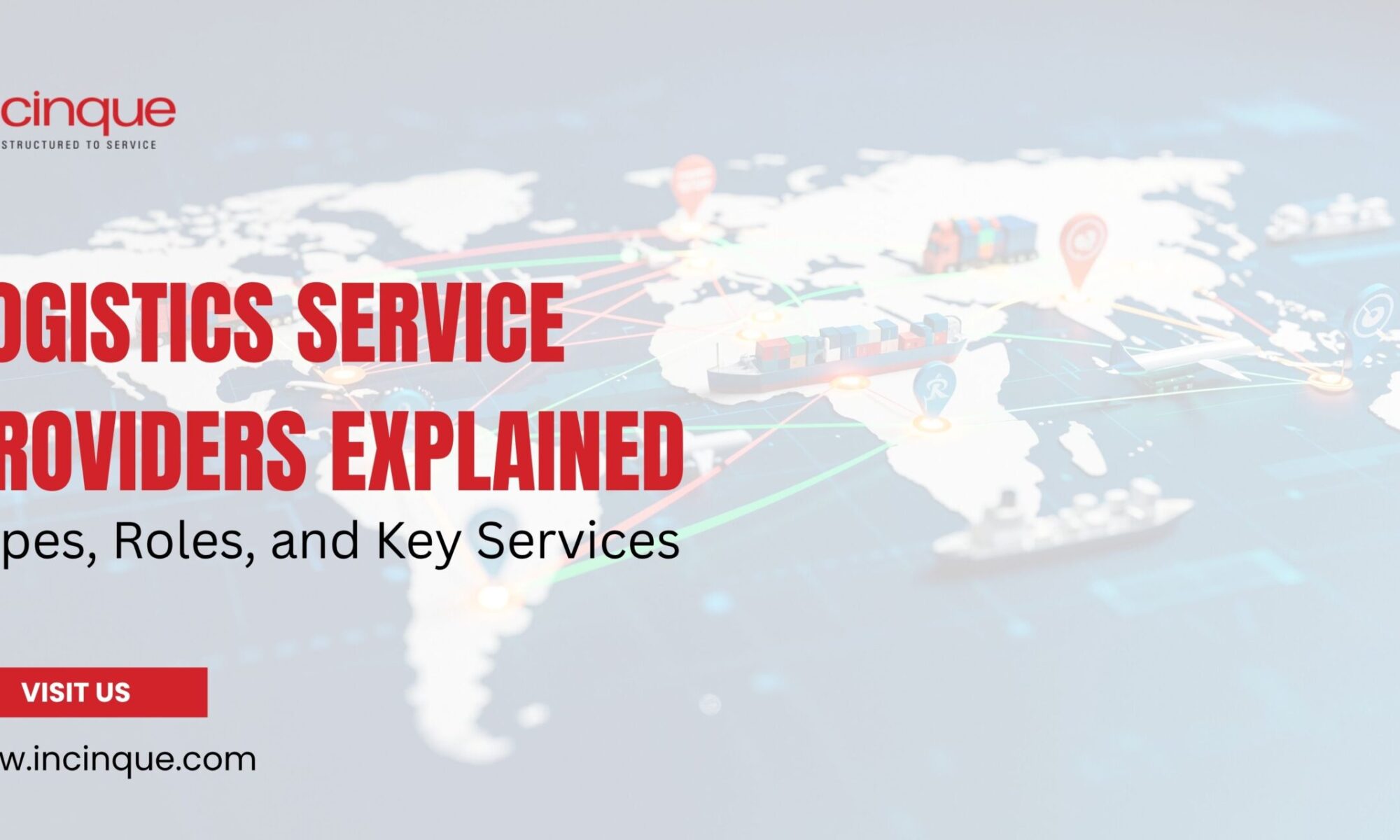
A global world map showing connected supply chain networks, cargo ships, and transport routes to explain logistics service providers.

Ever track an order placed digitally and wonder about its seamless transit across great expanses — from the depot right to your doorstep — without going astray? Behind every successful delivery is an intricate network of experts working diligently out of sight to guarantee its arrival. These experts are known as Logistics Service Providers (LSPs), and they act as the hidden engine powering global trade and e-commerce growth.

In this bustling commercial environment, if you operate an expanding e-commerce platform or a production enterprise, handling shipping, warehousing, and fulfillment internally might seem like trying to complete a complex puzzle missing key components. This is precisely why businesses engage freight brokerage firms in the USA and other expert logistics collaborators — to introduce structure, effectiveness, and dependability into their distribution networks.

Before deciding the best resolution for your firm, we ought to carefully review exactly what logistics service providers deliver, the different types available, and how they can shift your processes from demanding to simple.

What Is a Logistics Service Provider (LSP)?

A Logistics Service Provider is a firm that handles, organizes, and carries out diverse supply chain activities for customers. These suppliers might focus on shipping, storage, or deliver comprehensive supply chain arrangements.

Consider them the functional core of contemporary trade — tasked with moving your goods from one location to another effectively and affordably.

Types of Logistics Service Providers

Logistics service providers vary considerably. A rundown of the primary groupings follows:

1. Freight Brokerage Services

Shipping intermediaries act as liaisons linking parties requiring goods movement with carriers. Lacking proprietary vehicles, they utilize their networks and expertise to procure the most reliable and cost-effective transit arrangements. In the US, these brokering services are important for smaller and mid-sized businesses lacking direct relationships with principal transport companies. They provide flexibility, access to diverse routes, and current tracking information, all without necessitating long-term obligations.

Example:A furniture vendor located in California could utilize a freight intermediary to swiftly transport goods to New York while avoiding the need to handle carrier discussions or documentation.

2. Full-Service Logistics Providers

A full-service logistics provider handles everything — from freight forwarding and customs clearance to warehousing, inventory control, and last-mile delivery.

They are ideal for companies looking to outsource their entire supply chain to a single expert partner. Many full-service providers use advanced analytics and AI tools to optimize delivery times and reduce costs.

3. Tech-Driven Logistics Companies

As digital shifts reshape various sectors, logistics enterprises powered by technology utilize automation, Internet of Things sensors, location tracking, and cloud software to achieve efficiency supported by data.

These organizations enable customers to observe consignments live, foresee hindrances, and simplify paperwork handling — all accessible via one central interface.

Example: A technology-focused logistics service provider could notify a retailer of a weather-caused shipment delay and promptly redirect it to the next open carrier.

4. Custom B2B Logistics Partners

Each enterprise possesses distinct supply chain requirements. Bespoke B2B logistics firms develop customized shipping and storage strategies that suit particular sectors, like the medical field, vehicle manufacturing, or merchandise sales.

For example, a producer of healthcare devices may necessitate climate-controlled facilities, whereas an auto component distributor needs timed arrivals at several assembly plants.

5. E-Commerce Logistics Experts

Online retail has transformed what shoppers anticipate regarding speedy and clear shipping. Logistics firms serving e-commerce focus on managing large quantities of orders, shipment monitoring, and handling product returns.

These specialists connect straight to web stores and shopping services, guaranteeing precise stock levels and providing for prompt delivery, either within the day or the following day.

6. Warehousing & Distribution Services

Crucial to any logistics approach are effective warehousing and delivery. These companies supply storage space, item retrieval, boxing, and shipping — guaranteeing goods arrive to consumers promptly and securely.

Contemporary storage facilities leverage technology, automated machinery, and information analysis to optimize rooms and reduce mistakes by people.

7. Small Business Logistics Providers

Smaller enterprises frequently encounter constrained spending plans and scarce assets. Logistics firms specializing in small business accommodate this sector by delivering adaptable, usage-based service plans.

They enable new ventures and community-focused labels to utilize expert delivery and order processing capabilities without substantial outlays on physical facilities.

Why Partner with a Logistics Service Provider?

Outsourcing logistics brings measurable benefits:

  • Cost Efficiency: Access to carrier networks and volume discounts.
  • Scalability: Adjust operations based on seasonal demand.
  • Expertise: Leverage industry knowledge for compliance and risk management.
  • Technology: Use advanced tracking and analytics without investing in your own systems.
  • Focus: Free your team to concentrate on growth and customer service.

U.S. transportation authorities indicate that firms partnering with logistics providers may achieve operational expense reductions of 15 to 25 percent and simultaneously enhance delivery precision.

Final Thoughts

Selecting the appropriate freight brokerage solutions in the USA or a comprehensive logistics associate involves more than just transporting freight — it’s about establishing a dependable, clear, and digitally enhanced supply network that aligns with your corporate objectives.

Regardless of whether you operate in e-commerce, manufacturing for other businesses, or are an expanding small enterprise, the correct logistics partner can elevate your processes from adequate to outstanding — maintaining your edge in the present, brisk market.

shape
Our Clientele

Trusted by Leading Brands