I N C I N Q U E

Loading

How to Choose the Right Digital Marketing Agency for Brisbane Businesses

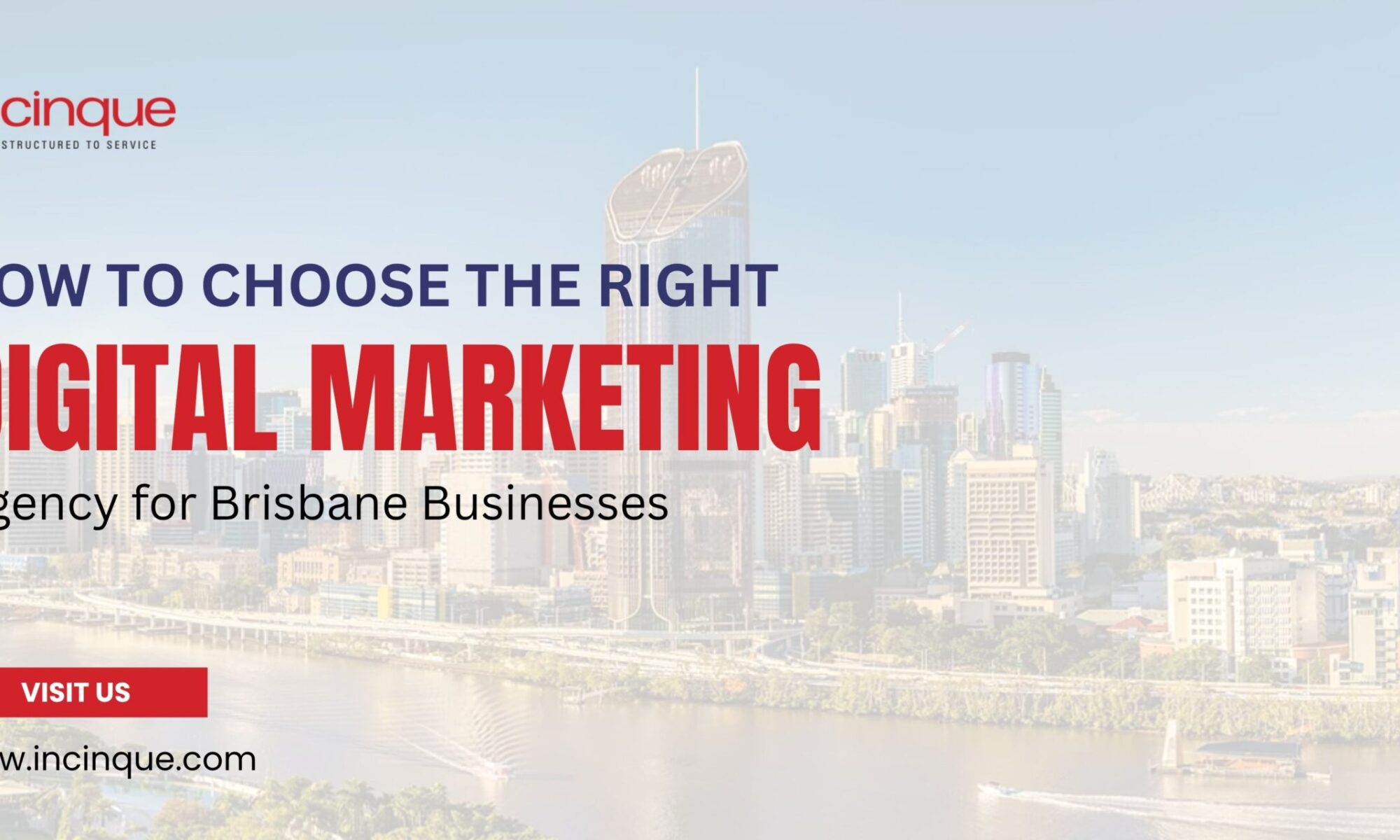
The Brisbane city skyline and riverfront displayed behind an overlay text header for choosing a digital marketing agency.

For an owner of a Brisbane enterprise, sustaining a consistent footprint in the local scene proves challenging without adopting online promotion. Whether managing your social media channels, launching campaigns, or aiming for higher ranking in Google’s listings — all this alongside managing your primary business functions. Numerous area merchants have found that handling all these responsibilities in-house is unsustainable over the long haul. This particular situation demonstrates how working with an appropriate Brisbane digital marketing agency may significantly change your perspective.

However, how do you pick one that actually understands your goals, produces outcomes, and stays inside your budget? Let’s examine how working with a carefully selected marketing firm, particularly one that combines India’s digital know-how with a Brisbane-focused approach, can significantly change the course of your company.

The Digital Landscape in Brisbane: Opportunities and Difficulties

From cutting-edge startups in Fortitude Valley to well-established businesses expanding their impact throughout Queensland, Brisbane has developed into a vibrant business hub. But there is intense rivalry as a result of this expansion, particularly online. Businesses require more than simply a website; they also need to engage their customers, gain awareness, and establish reputation.

Here, Brisbane digital marketing firms are the answer. These organizations help businesses navigate the online sphere through data-driven approaches, creative initiatives, and expert technical skills. From search engine optimization and paid ads to content development and social media, they know how to connect with your local customers — and those beyond.

However, not all companies deliver the same value or approach. Some charge premium prices for niche services, whereas others lack the capability for complex undertakings. As a result, an increasing number of Brisbane businesses are choosing agencies that blend local market insight with global experience — particularly that which comes from India.

Why Outsource Digital Marketing to India (Without Losing Local Relevance)

Outsourcing operations isn’t about lowering benchmarks — it’s about expanding prospects. Many digital marketing agencies in Brisbane regularly collaborate with teams located in India to deliver superb yet cost-effective results. Here is the reasoning underpinning that successful arrangement:

Cost-effectiveness Without Sacrifice

It can get costly to rely just on local agencies or full-time internal employees. Significant cost savings can be achieved while preserving or even raising quality standards by contracting with knowledgeable experts in India to handle certain marketing duties, such as SEO, content production, or managing paid advertising campaigns. This enables companies in Brisbane to allocate more funding for expansion and innovation.

Availability of World-Class Talent

Some of the world’s top data scientists, creative thinkers, and professionals in digital marketing reside in India. They are highly skilled at handling international promotions in a variety of industries. When Brisbane-based advertising agencies collaborate with Indian experts, the result combines excellent execution with astute preparation.

Scalability and Flexibility

Commercial requirements shift rapidly. One month might call for intense social media advertising; the following, a deep dive into technical SEO. Outsourcing lets you adjust your promotional activities upwards or downwards without the difficulty of recruitment or internal team reorganization.

Round-the-Clock Productivity

Due to time zone variations, operations can proceed even after your Brisbane office concludes its day. While you sleep, your digital advertisements are updated, monitored, and optimized to increase efficacy and reduce lead times.

What Makes a Digital Marketing Agency Worth Partnering With

Consider more than simply eye-catching presentations when choosing a digital marketing company in Brisbane. A capable agency should grasp your business aims, your clientele, and your specific hurdles. Here is what to anticipate from a dependable collaborator:

  • Strategic Approach:  They ought to commence with investigation and understanding — grasping your target audience, rivals, and goals prior to commencing implementation.
  • Transparent Reporting: Every marketing campaign should include regular progress reports, accurate performance data, and results monitoring.
  • Multi-Channel Expertise: Instead of delivering distinct services, an agency could offer an integrated approach that includes everything from email and influencer outreach to SEO and PPC.
  • Collaborative Communication: Instead of just seeing them as an external supplier, you should see them as an extension of your team.

Businesses that apply these principles often see measurable results, from higher brand recognition and site visits to real return on investment.

A Smart Mix: Local Strategy, Global Execution

Think about having a strategist in Brisbane who is acquainted with your local market and clientele, connected to a global team of experts in data insights, message, and images. This combination of Digital Marketing Strategies offers the ideal balance of wide international capacity and well-rooted local understanding.

Many small and medium-sized businesses in Brisbane are already able to compete with larger brands because of this hybrid approach. They benefit from the cost-effectiveness and expertise of global specialists, all overseen by a local point of contact, instead of paying high local service costs for every requirement.

These collaborations are influencing the future of Brisbane marketing companies by giving customers access to superior outcomes at reasonable costs.

Making the Right Decision

Selecting the appropriate firm isn’t about securing the lowest price or the most recognized brand. It’s about discovering an associate who truly comprehends your objectives and can foster your enterprise’s expansion across the long term.

Ask these questions before deciding:

  • Do they understand your target audience in Brisbane and across Australia?
  • Can they give actual instances of campaigns that have been successful?
  • Do they make decisions based on statistics and imagination at the same time?
  • Are they transparent about procedures, expenses, and deadlines?

The right company will reply in a straightforward and straightforward manner, exhibiting not only expertise but also genuine commitment to your successful end.

Final Thoughts

Choosing the right digital marketing agency is a commitment to your prospects rather than just a tactical move for Brisbane businesses hoping to increase their online presence. You can have access to more clever strategies, lower costs, and expandable results by collaborating with an agency that blends local knowledge with elite global experience.

That advantage can be vital in a city as vibrant and competitive as Brisbane. Whether you’re a startup in South Bank or a well-established company in Fortitude Valley, the right partner can increase your brand’s visibility online as well as within Queensland.
QA vs. Software Testing: How They Differ and Work Together

When someone is developing software, two important things often come to mind, Quality Assurance (QA) and Software Testing. Many people get confused and think both mean the same thing, but they are actually different parts of the software development process. Both play crucial roles in ensuring that the software runs smoothly and meets customer expectations. In this article, I’ll explain how QA and Software Testing differ, how they work together, and why both are important for every business or quality assurance company.

What is Quality Assurance (QA)?

Quality Assurance (QA) is the process of making sure that software is developed the right way to maintain and improve overall quality standards. It focuses on enhancing the process of software development rather than just finding mistakes. QA helps to prevent problems before they show.

A quality assurance company monitors the entire development cycle from planning and design to release and maintenance. QA teams establish guidelines, create checklists, and review each stage to ensure that best practices are consistently followed.

Example:

If a company is building a mobile app, the QA team ensures that all steps from writing code to testing features  follow a structured plan. They make sure everyone knows what to do and that the final app will meet customer expectations.

What is Software Testing?

Software Testing is the process of finding and fixing bugs or errors in the software before it is released. It focuses on checking whether the software works properly under different conditions.

A software testing company tests the product to make sure it performs as expected. Testers run the application, try different inputs, and report any issues they find.

Testing helps answer questions like:

  • Does the software work as it should?
  • Are there any bugs or errors?
  • Is the software user-friendly and fast?

Example:

If the mobile app crashes when users click a certain button, the testing team reports it so that developers can fix the issue.

Aspect Quality Assurance (QA) Software Testing
Focus Process of development Product (actual software)
Goal Prevent defects Find and fix defects
Timing Throughout development After development
Responsibility QA engineers Testers
Approach Process-oriented Execution-oriented

QA ensures the right process is followed to make a good product, while software testing ensures the final product works properly. Both are necessary for delivering high-quality software to users.

How QA and Software Testing Work Together

Even though QA and software testing are different, they work hand in hand. QA sets the standards and ensures everyone follows them, while testing confirms that the software meets those standards.

Think of QA as building a safety net, and testing as checking if the net holds. Without QA, errors may go unnoticed in the process. Without testing, the product may still have bugs even if the process was followed correctly.

For example, a quality assurance company may design a test plan and process guidelines, and then a software testing company carries out actual tests to verify the results. Together, they ensure the final software is reliable, secure, and user-friendly.

Importance of QA and Software Testing in Business

  1. Improves Product Quality:- Ensures software meets business and customer expectations.
  2. Saves Time and Money:- Finding bugs early reduces the cost of fixing them later.
  3. Builds Trust:- High-quality software increases customer satisfaction and brand reputation.
  4. Supports Continuous Improvement:- Regular testing and QA reviews help teams learn and improve.
  5. Ensures Compliance:- Many industries require strict quality standards. QA helps meet those requirements.

For businesses that rely on software, whether small startups or large enterprises working with a professional quality assurance company or software testing company ensures their software performs perfectly and safely.

Final Thoughts

While Quality Assurance focuses on improving the process, Software Testing ensures the final product works perfectly. QA helps prevent defects, while testing helps find and fix them. Together, they make every software project reliable, secure, and user-friendly.

Choosing the right quality assurance company and software testing company can make a big difference in achieving reliable and high-performing software. By combining both QA and testing, businesses can confidently deliver digital products that users love and trust.

7 Reasons You Need to Hire a Digital Marketing Agency in New York

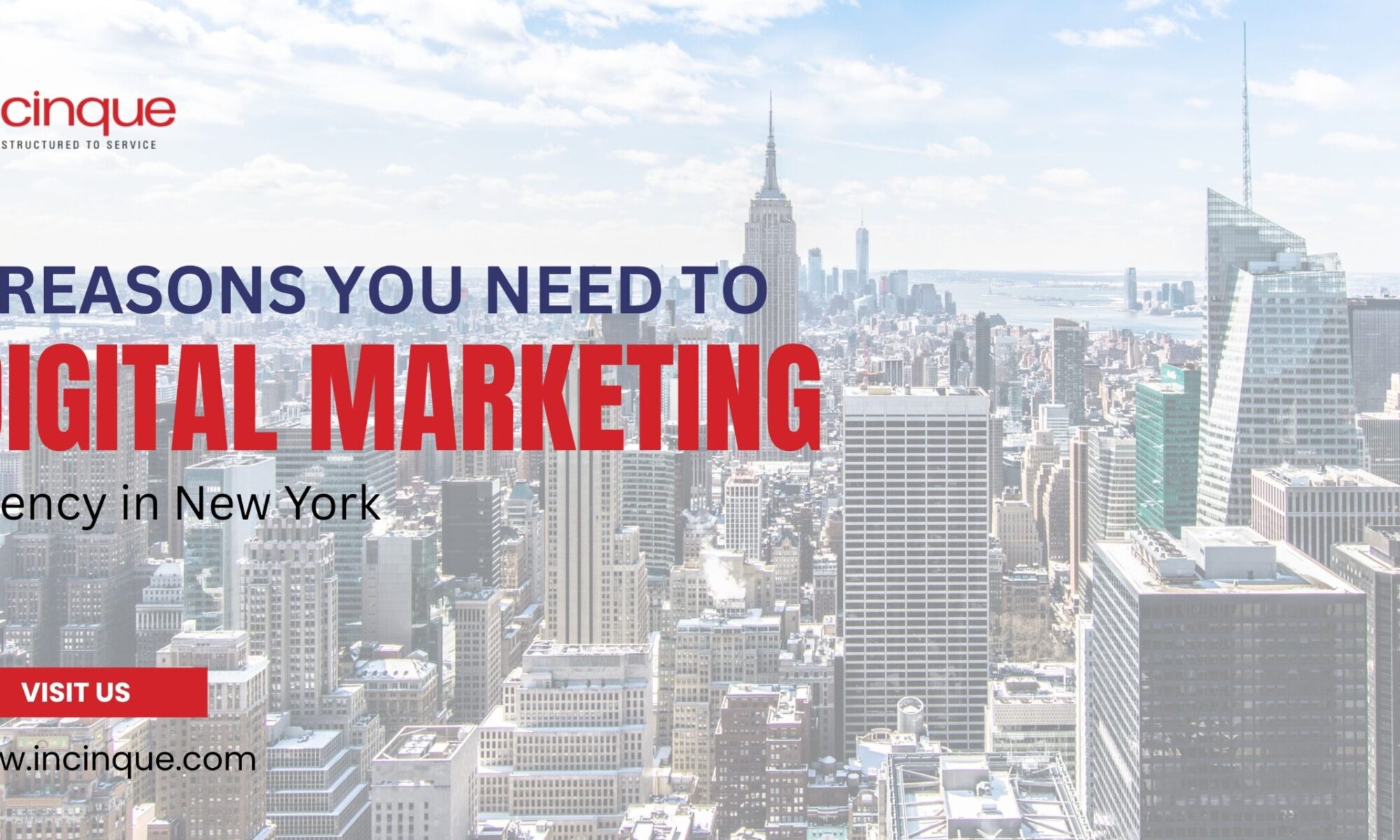
A blue semi-truck traveling down an open highway to illustrate the importance of a logistics service provider.

People who want to succeed always find themselves in New York City. No matter what kind of business it is, a new one just starting out or a neighborhood that’s been around for a while having a great product or service is not enough. You must be visible. There is a lot of competition online, so your digital approach needs to be better and faster than theirs.

It’s very hard to run your business and do complicated online marketing like search engine optimization (SEO) and website changes at the same time. If you’re thinking about doing that, here are seven good reasons why hiring a professional digital marketing agency in New York City is a good investment, not just an expense.

1. You Gain Access to Deep, Specialized Expertise

When you hire one marketer to work in-house, you usually get a generalist. When you hire a specialized marketing agency in New York City, you get a whole team of experts, including an SEO expert, a content writer, a data analyst, and a manager for paid ads. Each person is an expert in one area and keeps up with the constant changes in that area.

This group of experts has years of focused experience in many different fields, so your strategy isn’t based on guesswork. They know what works and what doesn’t, which makes learning easier and cuts down on costly mistakes. It’s hard and expensive to find this level of skill in-house, especially for a small to medium sized business.

2. Winning the Local Search Game with New York City SEO

Standard SEO strategies frequently fail in a large metropolis like New York. Not only are they looking for a product, but they are also searching for “product + near me” or “service + Brooklyn.” This calls for an extremely targeted strategy, which is where New York City SEO knowledge comes in very handy.

The subtleties of ranking well for specific areas or neighborhoods are known to an agency that specializes in the local market. They will focus on highly localized keywords, optimize your Google My Business profile, and create citations from pertinent NYC sources. This work guarantees that your company will be at the top of the search results when someone in your area is looking for what you have to offer. This will bring immediate, high-intent traffic to your digital front door.

3. A Focus on Core Business Operations

For any business owner, time is the most valuable resource. Digital marketing demands ongoing attention, monitoring, and adjustment, especially when it comes to tasks like social media platform management, paid marketing, and technical SEO services in NYC. These duties may divert your attention from important company functions like sales, customer support, and product development.

You can effectively assign the entire online engine to a committed team by outsourcing these efforts. This gives you and your employees more time to focus on what you do best, which is managing and expanding your main business. Every week, you regain valuable hours by handing over the complexity.

4. It’s More Cost-Effective Than Hiring In-House

Paying an agency may seem like a big upfront investment, but weigh that against the overall cost of creating a comparable internal marketing department. Payroll taxes, equipment, health benefits, and recruitment fees are all involved in hiring a single, qualified full-time worker. To cover the skills of a full-service agency (SEO, content, PPC, analytics), you would probably need three or four people.

All of these abilities are offered by a top-notch marketing firm in NYC for a fixed monthly cost. In general, this model is much more economical. Without the substantial upfront costs and sustained commitment of hiring staff, you are paying for effective outcomes rather than just their time.

5. You Get Access to Premium Tools and Technology

Expensive, specialized software is essential to successful digital marketing. This includes tools for advanced reporting, competitor analysis, conversion rate optimization (CRO), A/B testing, and thorough keyword research. These programs’ subscription fees can mount up quickly and become unaffordable for a small or expanding digital marketing agency.

You immediately have access to an agency’s whole tech stack when you hire them. They have already made an investment in the best tools available to analyze data and carry out campaigns precisely. This gives you a competitive edge without requiring you to buy or learn a new platform, ensuring that your campaigns are powered by the best technology available.

6. Clearer, Data-Driven Performance Reporting

The fact that practically everything in digital marketing can be measured but only if you know what to measure is one of its greatest benefits. A seasoned agency offers clear, intelligible reports that link their operations to your company’s success.

They monitor key performance indicators (KPIs) such as conversion rates, website traffic growth, and return on investment (ROI) from advertising expenditures. These insights based on data are essential. By halting ineffective campaigns and stepping up those that are, they enable the agency to continuously improve the approach and make sure your money is always being spent as effectively as possible.

7. Scalability and Flexibility for Growth

In New York, businesses frequently undergo seasonal fluctuations or rapid growth. In order to avoid disturbing your team, your marketing efforts must be able to swiftly ramp up when you introduce a new product or slow down during slower times.

Scalability is built into a marketing firm. They can readily commit additional resources if you suddenly need to start a large-scale holiday advertising campaign. They can adjust the budget if you need to concentrate exclusively on SEO services in NYC for a quarter. The agency merely modifies the service package to perfectly suit your current business demands, saving you the trouble of hiring and training temporary workers. This gives you the flexibility you require in a city as dynamic as New York.

You get more than just marketing when you work with an experienced company, you also get a committed, adaptable team that is focused on promoting your company in one of the most fascinating yet difficult markets on the planet.

Email Marketing Explained: What Email Marketing Agencies Really Do

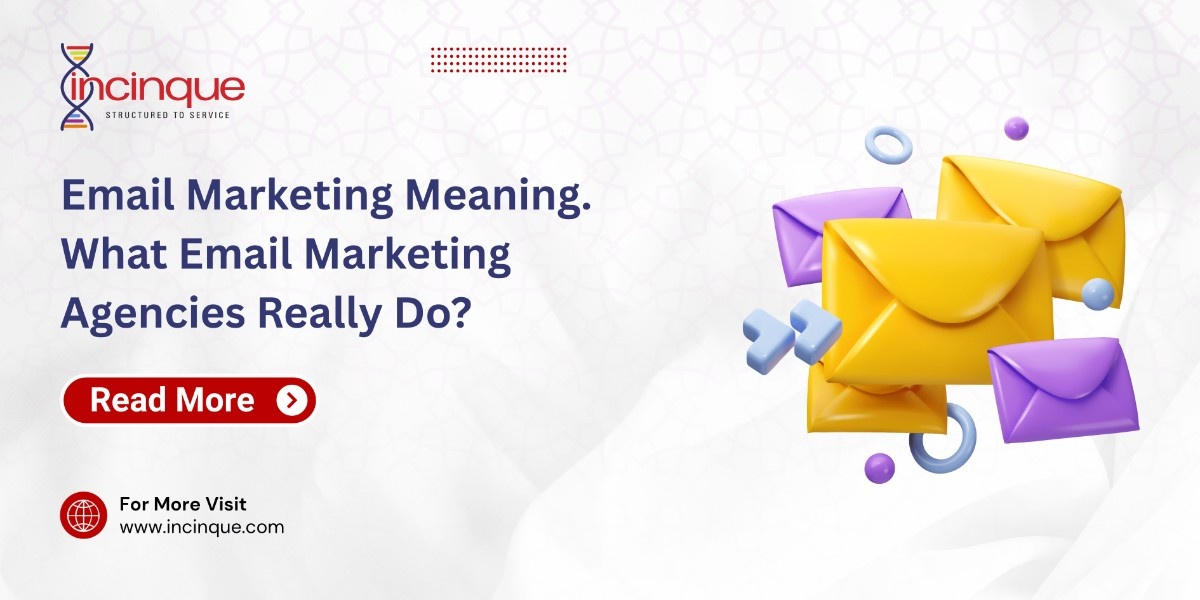
An infographic header reading "Types of SEO" with an adjacent illustration of a computer display showing performance graphs and magnifying glass research tools.

In the modern era, everyone uses social media on a regular basis, liking posts, following influencers, and pursuing trends. It’s a chaotic digital arena where attention fades quickly, and businesses frequently fight for only a few seconds of exposure. Despite all of this hoopla, one effective, affordable, and frequently overlooked technology continues to quietly deliver actual results, email marketing.


Consider reaching out to your audience directly in their mailbox, rather than through a cluttered feed, with a message personalized to their specific needs, interests, and timing. That’s the power of email marketing. It’s more than just “sending emails to customers”, it’s about making genuine connections, fostering trust, and, ultimately, increasing sales.


Whether you’re a small business wanting to expand or a B2B brand looking to enhance client connections, a well-crafted email marketing campaign can be your most effective revenue generator. Let’s look at what email marketing really means and, more crucially, how professional email marketing organizations can help brands convert communications into quantitative success.

What Is Email Marketing?

Email marketing is a form of direct digital marketing that uses email to connect with your audience, promote products or services, and strengthen brand loyalty. Unlike social media platforms that depend on algorithms, email gives you a direct line to your customer’s inbox making it personal, measurable, and incredibly powerful.

Think of it as building a relationship through valuable and relevant communication. Whether it’s a limited-time offer, a welcome series for new subscribers, or a monthly newsletter, email marketing lets your brand speak directly to your customers in a meaningful way.

Common Types of Email Marketing Campaigns

  • Newsletters Regular updates, announcements, or insights from your brand.
  • Promotional Emails: Offers, discounts, product launches, or festive campaigns.
  • Transactional Emails: Order confirmations, shipping updates, and receipts.
  • Drip Campaigns: Automated email series triggered by user behavior, such as sign-ups or purchases.

Why Is Email Marketing Important?

Despite being one of the oldest forms of online communication, email marketing continues to deliver exceptional ROI. According to several studies, businesses earn an average of $42 for every $1 spent on email marketing a return unmatched by most digital channels.

Top Benefits of Email Marketing:

  • Personalized & Direct Communication: No algorithms, just direct access to your customer’s inbox.
  • High ROI: Perfect for both large enterprises and small businesses looking to maximize marketing budgets.
  • Automation Capabilities: Send welcome emails, abandoned cart reminders, or thank-you messages automatically.
  • Retention & Loyalty: Stay connected with customers and bring them back with personalized offers.
  • Performance Tracking: Easily measure open rates, clicks, and conversions to refine future campaigns.

If your goal is email marketing to generate sales, this channel gives you complete control allowing you to deliver targeted, data-driven messages that convert.

Popular Email Marketing Tools

Agencies and marketers use tools that simplify campaign creation and automation while offering powerful analytics. Popular platforms include:

These tools help design professional templates, segment audiences, automate workflows, and analyze performance all essential for running successful campaigns.

What Does an Email Marketing Agency Do?

While anyone can send an email, only a B2B email marketing agency can turn those emails into high-performing, conversion-driven campaigns.

Here’s how they help businesses succeed:

1. Strategy Development

Agencies begin by understanding your brand, goals, and target audience. They create a tailored strategy that aligns with your customer journey from awareness to conversion.

They answer key questions like:

  • Who are we emailing?
  • What message will resonate?
  • When and how often should emails go out

2. Email Design & Copywriting

A good agency makes sure every email looks professional and delivers value. They design responsive templates, write persuasive copy, and craft catchy subject lines and CTAs that encourage clicks.

3. List Management & Segmentation

An agency helps manage and grow your email list responsibly, removing inactive users, segmenting by interest or behavior, and ensuring compliance with GDPR and CAN-SPAM laws.

4. Automation Setup

Through marketing automation tools, agencies set up workflows that save time and increase engagement like welcome series, re-engagement campaigns, or post-purchase follow-ups.

5. Performance Tracking & Optimization

They monitor results (open rate, click-through rate, conversions) and conduct A/B tests to continually refine messaging, timing, and content for better ROI.

6. Compliance & Deliverability

A professional agency ensures that emails reach inboxes, not spam folders. They follow global email regulations and maintain a clean sender reputation.

Why Hire an Email Marketing Agency?

Here are the benefits of hiring marketing services companies that specialize in email.

  • Saves Time: You can focus on running your business while experts handle content, design, and automation.
  • Professional Quality: Agencies bring in designers, strategists, and copywriters to ensure brand consistency.
  • Higher ROI: Through data-backed strategies and segmentation, agencies maximize conversions.
  • Consistency: Regular, well-timed campaigns help maintain audience engagement and trust.


For small businesses, partnering with an experienced email marketing agency is a smart move, it provides expertise and tools that may otherwise be too costly to manage in-house.

Choosing the Right Agency

Before selecting a B2B email marketing agency, consider the following:

  • Do they have experience in your niche or industry?
  • Can they provide examples or case studies of past work?
  • What services include strategy, automation, reporting, design?
  • What pricing model do they follow, flat rate, retainer, or performance-based?


The best agencies understand your audience, align with your brand voice, and deliver measurable results.

Final Thoughts

Email marketing for small business or large enterprises isn’t just about sending newsletters, it’s about building lasting relationships, nurturing leads, and generating consistent revenue.  To truly unlock its power, you need the right mix of creativity, data, and automation and that’s where professional agencies shine.

By working with a B2B email marketing agency, you’re not just sending emails you’re investing in a long-term growth strategy that helps your brand stay top-of-mind and drives real results.

Web Design vs. Web Development: What’s the Difference?

An illustration of a creator presenting a visual frontend layout to highlight the specific role of creative website design.

You’re ready to launch your website. However, you’re confused about whether to hire a designer or developer. This common dilemma affects countless businesses and individuals every day. Understanding the difference between web designer and web developer roles can save you time, money, and frustration.

The digital landscape is evolving rapidly. According to Business Research Insights, the global web development market will reach $130.9 billion by 2032. Therefore, knowing which professional to hire is more critical than ever.

What Do Web Designers and Web Developers Actually Do?

Web Designers

Focus on the visual experience of your website. They craft how your site looks and feels to visitors. Moreover, they consider colors, layouts, typography, and overall user experience. Think of web designers as architects. They create the blueprint for your digital space. Their work includes wireframing, mockups, and visual prototypes that bring ideas to life.

Web Developers

Web developers, on the other hand, build the functional framework. They transform designs into working websites using code. Additionally, they ensure everything runs smoothly behind the scenes. Developers are like construction engineers. They take the architect’s plans and make them real. Their expertise brings static designs to life through programming.

Key Differences: Skills, Tools, and Focus Areas

Design vs. Development: The Core Distinction

Design and development are different in fundamental ways. Here’s what sets them apart:

Web Designers Focus On:

  • Visual aesthetics and brand identity
  • User experience (UX) and user interface (UI) design
  • Color theory and typography principles
  • Creating mockups using Figma, Adobe XD, or Sketch
  • Ensuring intuitive navigation and accessibility

Web Developers Concentrate On:

  • Writing clean, efficient code
  • Front-end languages like HTML, CSS, and JavaScript
  • Back-end technologies such as PHP, Python, or Node.js
  • Database management and server configuration
  • Website performance and security optimization

The Tools They Use

Designers work with creative software. Photoshop, Illustrator, and Figma are their primary tools. These platforms help them visualize concepts before development begins.

Developers use coding environments and frameworks. Visual Studio Code, GitHub, and Chrome DevTools are essential. Furthermore, they rely on version control systems to manage code effectively.

Market Insights: Salaries and Career Opportunities

The financial differences between these roles are notable. In India, web designers earn an average of ₹2,65,692 annually. Meanwhile, web developers command higher salaries at approximately ₹4,10,000 per year.


This salary gap reflects the technical complexity of development work. However, experienced designers working on enterprise projects can earn significantly more.


Globally, both careers show strong growth potential. The increasing demand for digital presence drives opportunities in both fields. Therefore, choosing either path offers promising long-term prospects.

When Should You Hire a Designer vs. a Developer?

Hire a Web Designer When:

  • Rebranding your existing website
  • Creating visual mockups for investor presentations
  • Improving user experience and engagement rates
  • Designing marketing materials and landing pages

Hire a Web Developer When:

  • Building custom functionality or features
  • Integrating third-party APIs and services
  • Optimizing website speed and performance
  • Developing e-commerce platforms or web applications

Many projects require both professionals. Consequently, understanding each role helps you assemble the right team. Small businesses often start with designers, then bring developers to implement the vision.

Practical Career Advice: Which Path Is Right for You?

Choose Web Design If You:

  • Love visual storytelling and creative problem-solving
  • Enjoy understanding human psychology and behavior
  • Prefer working with visual tools over coding
  • Want to focus on aesthetics and user experience

Choose Web Development If You:

  • Enjoy logical thinking and problem-solving through code
  • Like building systems and seeing them function
  • Want to work with databases and server technologies
  • Prefer technical challenges over visual design

Many successful professionals blend both skills. Full-stack developers, for instance, understand design principles alongside coding. Similarly, modern designers often learn HTML and CSS to better communicate with developers.


The key is continuous learning. Both fields evolve rapidly with new tools and techniques emerging regularly. Therefore, staying updated through courses, certifications, and practice is essential.

Moving Forward: Building Your Digital Success

Understanding the difference between web designers and web developers empowers better decision-making. Design creates an emotional connection with your audience. Development brings that vision to life functionally.


Both roles are crucial for successful websites. Neither is superior to the other. Instead, they complement each other perfectly when working in harmony. Whether you’re hiring professionals or choosing a career path, remember this: great websites need both beautiful design and solid development. Invest in understanding both disciplines. Your digital success depends on it.


Ready to start your web project? At Incinque Business Solutions, we understand that exceptional websites require both creative design and robust development. Clearly define whether you need design, development, or both. Then, partner with professionals whose portfolios demonstrate expertise in your specific requirements. Your perfect website awaits.

How Digital Marketing Helps Real Estate Get Leads in USA

Infographic comparing demand generation and lead generation funnels with illustrated lightbulbs, checklists, and document targets.

Digital marketing refers to all online efforts to promote your real estate business. It includes techniques like search engine optimization (SEO), social media marketing, email marketing, and more.  These techniques work together to improve your web presence, attract leads, and eventually turn them into customers. Using the right approach, digital marketing may help your brand become more recognizable and trustworthy to potential customers.


In the real estate industry, digital marketing is more than simply having an online presence, it is also about providing an interesting and dynamic experience for your target audience. Effective digital marketing methods allow you to develop reputation in your sector, build long-term relationships with your audience, and ultimately generate sales for your real estate business.  By combining content marketing, SEO, and social media, you can develop a holistic plan that tackles all stages of the buyer’s journey, from awareness to decision-making.

The Importance of SEO for Real Estate

SEO is important for making sure your real estate website is visible in search engine results. When your clients look for properties or real estate agents in your area so they visit your website.

By optimizing your website with relevant keywords, such as “real estate digital marketing ideas” and “local SEO for real estate”, you can improve your website’s visibility and attract more organic traffic. The higher your website ranks on search engines like Google, the more likely you are to gain exposure to potential clients.


SEO is more than simply keyword stuffing, it’s about producing useful content that helps the issues your potential customers are facing right now. In SEO, includes optimizing your website’s structure, improving user experience, and making your website mobile friendly. 

Local SEO is very useful for real estate professionals since it allows you to target clients in specific geographic locations.  Claiming your Google My Business listing and encouraging satisfied customers to submit reviews can also help your local SEO efforts, increasing your business’s visibility in local searches.


Leveraging Social Media for Real Estate Marketing

Social media platforms are powerful tools for real estate professionals in this digital world. Platforms like Facebook, Instagram, and LinkedIn allow you to engage with your potential clients, showcase properties, and build your brand. Here are some tips for using social media platform for your business:


  • Post in your Social media high-quality photos and videos of your property. Visual content is king on social media, and real estate is no exception. Attractive images and virtual tours can significantly boost engagement and interest in your properties.
  • In social media, you need to post regularly to keep your audience engaged. Consistency is key to maintaining visibility and keeping your audience informed about your latest Houses and flats and market insights.
  • Use relevant hashtags to real estate to increase your reach. Hashtags make your content visible to a broader audience interested in real estate.
  • Need to engage with your audience by responding to comments and messages immediately. Social media is a two way street, and active engagement can build stronger relationships with your potential clients, fostering trust and loyalty.


Real Estate Lead Generation Strategies

Generating leads, it is an important component of any successful real estate business. Here are some digital marketing strategies to help you generate more leads:


Creating Compelling Content

Establish your real estate expertise and connect with new clients through strategic content marketing. By creating valuable content, such as blog posts, videos, and infographics, you can provide useful information to your audience and encourage them to engage with your brand. Content that addresses common questions, offers insights into market trends, or provides tips for buyers and sellers can position you as a trusted resource.


Furthermore, including storytelling into your video can help it become more relatable and memorable. Sharing your success stories from your previous clients or distinctive aspects of an area can appeal to future clients, allowing them to realize the benefits of working with you. Regularly updating and improving your content for SEO makes sure that it stays relevant and attracts traffic over time.

Real Estate Video Marketing

Video marketing is important and powerful in real estate. Create virtual tours, property displays, and client testimonials to help potential clients get a better sense for the homes you represent. Videos can be published on your website, social media sites, and even email marketing campaigns to increase their reach. High quality videos can better portray the mood of a property than static photographs, resulting in a more immersive experience.


Implementing Marketing Automation

Marketing automation software can streamline your marketing efforts by automating repetitive tasks like email marketing, social media posting, and lead nurturing. By using marketing automation, you can ensure that you consistently engage with leads and clients, ultimately increasing your chances of converting them into buyers or sellers. Automation tools can segment your audience based on their behaviors and preferences, enabling more personalized and relevant communication.


Moreover, marketing automation provides valuable insights through analytics, helping you measure the success of your campaigns and make data driven decisions. By understanding which strategies yield the best results, you can continuously refine your approach, ensuring your marketing efforts are both efficient and effective.

Utilizing Email Marketing

Email marketing remains one of the most effective digital marketing strategies for real estate professionals. By sending personalized emails to your leads, you can nurture relationships and keep them informed about new listings, market trends, and other valuable information. Consider segmenting your email list to send targeted content to different groups of leads, ensuring that your messages are relevant and engaging.


Furthermore, using email automation, you can set up drip campaigns that guide leads through the buyer’s journey, from initial interest to final decision. Personalized content and timely follow-ups can significantly increase your conversion rates, turning leads into loyal clients. Regularly analyzing your email campaign performance helps you adjust your strategies to improve open rates, click-through rates, and ultimately, conversion rates.

Trends in Digital Marketing for Real Estate

As digital marketing evolves, it’s essential to stay up-to-date with the latest trends to remain competitive in the real estate industry. Here are some emerging trends to consider:


Embracing Virtual and Augmented Reality

Virtual and augmented reality technologies are transforming the way real estate professionals showcase properties. By offering virtual tours and interactive experiences, you can provide potential clients with a more immersive way to explore properties from the comfort of their own homes. This technology not only saves time for both parties but also attracts tech-savvy clients who appreciate innovative solutions.


Augmented reality can also enhance physical property viewings by overlaying digital information onto real-world environments. This can include details about a property’s features, nearby amenities, or even renovation possibilities, providing a richer, more informative viewing experience. Staying at the forefront of these technologies can position your real estate business as modern and forward-thinking.

Focusing on Local SEO

Local SEO is a critical component of any real estate digital marketing strategy. By optimizing your website for local search terms and ensuring your business is listed on local directories, you can attract more local clients and improve your visibility in search engine results. Local SEO strategies also involve creating content that resonates with the local community, such as neighborhood guides, local market reports, and community events.


Building partnerships with local businesses and participating in community events can further strengthen your local SEO efforts. Additionally, encouraging satisfied clients to leave positive reviews on platforms like Google and Yelp can enhance your reputation and influence potential clients’ decisions.


Implementing Chatbots.

Chatbots are becoming increasingly popular in the real estate industry. By integrating chatbots into your website, you can provide instant responses to potential clients’ inquiries, improving their experience and increasing the likelihood of converting them into leads. Chatbots can handle a range of tasks, from answering frequently asked questions to scheduling property viewings, freeing up your time for more complex interactions.


Moreover, chatbots can gather valuable data about user preferences and behaviors, helping you tailor your marketing strategies and improve customer satisfaction. As artificial intelligence continues to advance, chatbots will become even more sophisticated, offering personalized experiences that enhance client engagement and streamline the buying process.


Conclusion

Digital marketing is an essential tool for real estate professionals looking to attract clients in the USA. Digital marketing for real estate involves implementing strategies like SEO, social media marketing, content marketing, and marketing automation to increase your online presence, generate more leads, and convert those leads into clients. These strategies not only help you reach a wider audience but also build stronger, more meaningful relationships with your clients.


Stay ahead of the competition by embracing the latest digital marketing trends and continuously refining your strategies to achieve success in the real estate industry. As technology evolves, so too should your marketing efforts. By remaining adaptable and open to new ideas, you can ensure your real estate business thrives in an ever-changing digital landscape.

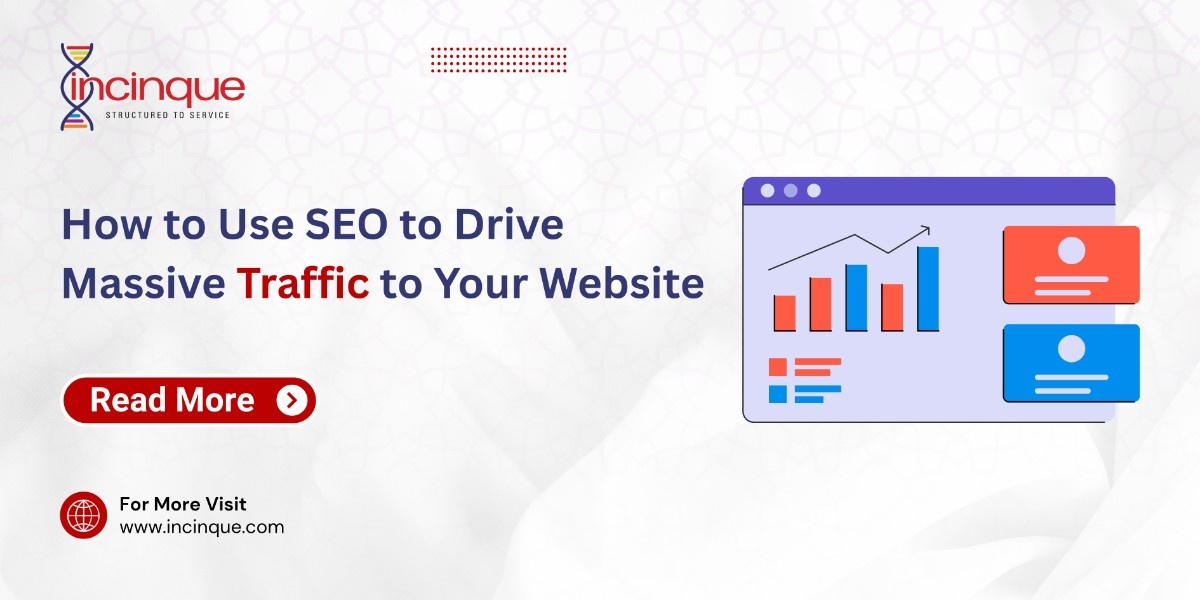
How to Use SEO to Drive Massive Traffic to Your Website

A digital browser vector design showcasing an upward-trending organic traffic chart and optimization layout to represent search engine optimization.

Understanding the Basics: What SEO Really Means

SEO, or search engine optimization, aims to make your website appear when people search for something on Google (or any other search engine). Think of it like this, when someone types in “best running shoes” or “how to fix a slow laptop,” search engines scan millions of websites to find the most relevant and useful answers, and show them on the first page.


Do you still want to know the full form of SEO? It stands for Search Engine Optimization, it’s pretty simple, but the impact is huge.


When your website appears on the first page of search results, your chances of getting clicks increase dramatically. That’s why SEO digital marketing is the core of every successful online business today.


A quick fact: According to a recent SEO audit report, websites that rank on the first page of Google get more than 90% of the traffic.

Why Organic Traffic Should Be Your Top Priority

Whether you own a business, blogging, or do digital marketing, one thing is sure: your website requires visitors. But not just any organic traffic; it has to be targeted and convert.. That’s when SEO, or Search Engine Optimization, comes in.


This article will teach you how to utilize SEO to get many people to visit your website. It starts with the basics and ends with tools and strategies that work. We’ll also talk about important ideas like what SEO tools are, and how a good SEO plan may help you get more traffic and higher ranks.

A Roadmap to Better Visibility: Step-by-Step Guide

1. Smart Keyword Research That Matches Real Intent

Before anything else, you need to generate SEO keywords that match user intent. Think about what your audience is searching for. Use tools like Google Keyword Planner, Uber suggest, or an innovative SEO optimization tool like SEO Studio to uncover high-volume, low-competition keywords. Use long-tail keywords and phrases that are specific to your area, such as “digital agency in Mohali,” “affordable online learning course,” and “best SEO checker tools.” These assist in attracting a more targeted audience ready to take action.

2. On-Page & Off-Page SEO: Optimize Inside and Out

Both on-page and off-page SEO affect how easy it is for people to find your website.


On-page SEO involves:

  • Making title tags and meta descriptions better
  • How to use header tags correctly
  • Adding links to other blog posts or pages within your website is called internal linking.


What is off-page SEO?

  • Getting links back from trustworthy websites
  • Being listed in directories
  • Sharing on social media and mentioning brands


Is your on-page SEO good? Check your website for SEO problems in real time with an SEO checker.

3. SEO Content: Write for People First, Google Second

Help people, answer their questions, and keep them interested in what you write. When you can, use bullet points, headings, and pictures to make things clear. You might also use an SEO course or free guides as lead magnets. This not only makes your specialty more valuable, but it also gives you more authority in it. Remember that Search marketing isn’t about cramming keywords into your content. It’s about making content that is useful and ranks well.

4. Technical SEO and Website Health

Your website won’t rank even if it has the best content if it loads slowly or has broken links. Do monthly SEO audits to detect and fix problems with your website’s code.
Look at factors like:

  • The speed at which the page loads
  • Responsive to mobile devices
  • How the URL is set up
  • Security (SSL certificate)

If you use WordPress, you can install an SEO optimizer plugin or hire a full-service SEO company to do this for you.

5. Track Performance with SEO Tools

You need data to see how far you’ve come. Here are some essential optimization tools to keep an eye on your rankings, traffic, and keyword performance:

  • Google Search Console and Ahrefs
  • SEMrush and Moz Pro

Many SEO companies and professionals use them to get in-depth data and strategic ideas.
If you want to know more about local SEO, contact an experienced digital agency in Mohali that knows worldwide and regional SEO trends.

SEO is a Journey, Not a Destination

What do people do wrong the most? Believing that SEO is a strategy that you can just set and forget.

But the SEO ranking changes based on:

  • What competitors do
  • Changes to the algorithm
  • Changes in search intent

That’s why it’s essential to keep learning by taking an updated SEO course and creating new material.

There are a lot of SEO jobs available, especially in agencies, startups, and freelance marketplaces, so if you’re considering a career in this industry, you should look into it.

Final Thoughts

It’s time to act now that you know how to use SEO to get many people to visit your website.

To begin:

  • Quickly checking your site’s SEO
  • Finding weak points with an SEO checker
  • Taking an online SEO course to learn more
  • Looking into job openings or hiring a reputable SEO business

Your website will be more than simply an online brochure if you think of SEO as a journey instead of a shortcut. It will be a traffic-generating machine.

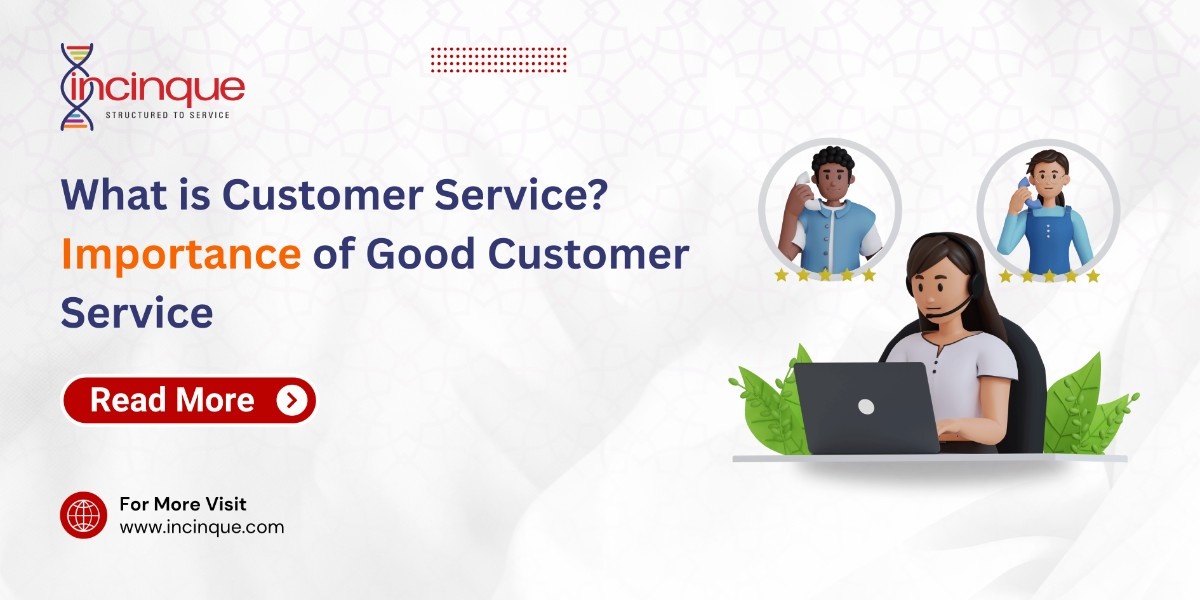
What is Customer Service? Importance of Good Customer Service.

A 3D illustration of a female support agent working at her laptop with user review profiles and five-star rating indicators in the background.

Introduction

In a world where customers have endless choices, one thing that can set a brand apart is customer service. Whether you’re selling a product, offering a service, or running a digital platform, how you treat your customers before, during, and after a purchase can define your business success.In this blog, we’ll explore the meaning of customer service, and why delivering a great customer experience is more crucial than ever.

What is Customer Service?

This refers to the support and assistance provided to customers before, during, and after
they purchase a product or service. It includes answering queries, resolving complaints, offering product guidance, and
ensuring customers are satisfied with their experience.

It can be delivered through various channels, such as:

  • In-person interactions
  • Phone support
  • Live chat and email
  • Social media
  • Chatbots and AI tools

Good customer service isn’t just about solving problems  it’s about making customers feel valued and heard.


Importance of Good Customer Service

Investing in great service pays off in multiple ways. Let’s break down why it matters:

1. Builds Customer Loyalty

Happy customers are more likely to return and continue doing business with you. Exceptional service creates
long-term relationships and trust that no advertisement can buy.

 According to HubSpot, 93% of customers are likely to make repeat purchases with companies that offer excellent service for customers. “

2. Enhances Brand Reputation

In the age of online reviews and social media, word spreads fast. Good service can lead to glowing reviews and referrals,
while poor service can damage your brand image instantly.

3. Increases Revenue

Satisfied customers spend more. They’re also more open to upsells, cross-sells, and new product launches when they trust your service.

4. Gives a Competitive Edge

In saturated markets where products are similar, service becomes the differentiator. People will choose a brand
that values their time and solves their issues quickly.

5. Reduces Customer Churn

Acquiring a new customer is 5 to 7 times more expensive than retaining an existing one. Good service keeps customers
engaged and less likely to leave.

6. Encourages Feedback and Improvement

Excellent customer service encourages open communication. Feedback received can be turned into valuable insights to
improve products, services, or processes.

Examples of Good Service

  • A support agent going above and beyond to solve a problem
  • Responding quickly and empathetically on social media
  • Offering personalized solutions instead of generic responses
  • Following up to ensure the issue is fully resolved


How to Deliver Excellent Customer Service

  • Train your team to be polite, patient, and professional
  •  Use customer service software to manage queries efficiently
  •  Empower your agents to make decisions on the spot
  •  Collect feedback and act on it
  •  Be available across multiple platforms (phone, email, social, chat)


Final Thoughts

These service is not just a support function  it’s a core part of your brand experience. Delivering
exceptional customer service builds loyalty, increases sales, and sets your business apart in a crowded market.

In short, treat your customers the way you’d want to be treated  and your business will thank you for it.

Project Management for Marketing Complete Guide

Close-up of corporate team members analyzing business charts and tracking workflows to demonstrate project management for marketing.

Navigating the world of marketing can be a complex task, especially when it comes to managing campaigns effectively. With multiple stakeholders, tight deadlines, and creative processes, project management becomes essential. In this guide, we’ll explore how project management for marketing can streamline your operations and ensure the success of your campaigns.


Before diving into the tools and strategies, it’s crucial to understand the basics of marketing campaign management. It involves planning, executing, tracking, and analyzing marketing initiatives. Successful management ensures that all campaign elements are aligned with business goals and are delivered on time and within budget.

Key Components of Marketing Campaign Management

  • Goal Setting: Clearly define what you want to achieve with your campaign. Whether it’s increasing brand awareness or driving sales, having clear objectives is crucial.
  • Planning: Create a detailed plan that outlines the timeline, budget, and resources needed. This includes identifying the target audience, deciding on the marketing channels, and determining the key messages.
  • Execution: This is where the plan comes to life. It involves coordinating with different teams, creating content, and launching the campaign across chosen channels.
  • Monitoring and Adjustment: Track the performance of your campaign using analytics tools. Be ready to make adjustments based on real-time data to optimize results.
  • Evaluation: After the campaign ends, evaluate its success against the initial goals. This helps in understanding what worked well and what needs improvement for future campaigns.

The Role of Project Management in Marketing

Project management in marketing involves applying project management principles to marketing activities. It helps in organizing tasks, managing resources, and ensuring timely delivery. Here’s why it’s essential:

Ensuring Efficient Resource Allocation


Marketing projects often require collaboration among various departments such as design, content, and sales. Project management ensures that resources are allocated efficiently, preventing bottlenecks and delays.

Maintaining Clear Communication

Effective communication is the backbone of any successful project. Project management facilitates better communication by defining roles and responsibilities, setting regular check-ins, and using collaboration tools.

Risk Management

Every marketing campaign carries some level of risk. Project management helps identify potential risks early and develop mitigation strategies to minimize their impact.

Project Management Tools for Marketing Agencies

With the increasing complexity of marketing campaigns, using the right project management tools becomes essential. Here are some popular tools that can help marketing agencies streamline their processes:

Trello

Trello is a user-friendly tool that uses boards, lists, and cards to organize tasks. It’s ideal for visualizing the workflow of a marketing campaign, making it easy to track progress and collaborate with team members.

Asana

Asana offers a robust platform for managing tasks, projects, and workflows. It allows marketing teams to break down complex projects into manageable tasks, set deadlines, and track progress with ease.

Monday.com

Monday.com is a flexible work operating system that helps teams plan, run, and track marketing campaigns. With customizable templates, it adapts to the unique needs of marketing agencies.

Wrike

Wrike provides a comprehensive suite of tools for managing marketing projects. It offers features like Gantt charts, time tracking, and custom dashboards, making it easy to oversee multiple projects.

Basecamp

Basecamp is known for its simplicity and effectiveness in team collaboration. It offers message boards, to-do lists, and file storage, ensuring that all project-related information is in one place.

Implementing Project Management in Your Marketing Agency

Now that we’ve discussed the importance of project management and the tools available, let’s look at how to implement it in your marketing agency.

Define Clear Objectives and KPIs

Start by setting clear objectives for your projects. Identify key performance indicators (KPIs) that align with your business goals. This helps in measuring the success of your marketing efforts.

Develop a Structured Workflow

Create a structured workflow that outlines each step of the project. This includes defining roles, setting deadlines, and establishing communication protocols. A well-defined workflow ensures that everyone knows what is expected of them.

Foster a Collaborative Environment

Encourage collaboration among team members by using project management tools that facilitate communication and file sharing. Regular team meetings and updates help keep everyone on the same page.

Monitor Progress and Adapt

Regularly monitor the progress of your projects using analytics and reporting tools. Be prepared to adapt your strategies based on data insights to improve outcomes.

Evaluate and Learn

After project completion, conduct a thorough evaluation to identify successes and areas for improvement. Use these insights to refine your project management processes for future campaigns.

Conclusion

Project management for marketing is not just a buzzword. It’s a necessity for today’s marketing agencies. By implementing effective project management strategies and using the right tools, you can streamline your operations, improve collaboration, and achieve your marketing goals more efficiently. Whether you’re a small business or a large agency, these practices can lead to more successful marketing campaigns and, ultimately, business growth.

shape
Our Clientele

Trusted by Leading Brands