I N C I N Q U E

Loading

The Real 2026 Guide to Turning Email Leads into Paying Customers

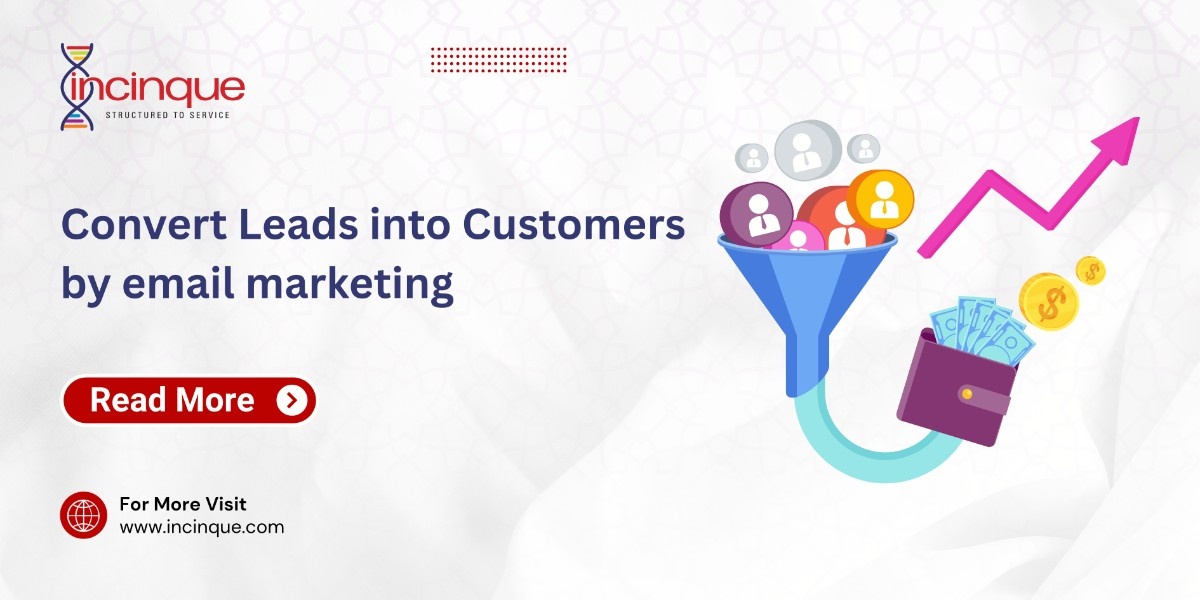
An infographic of a sales funnel channeling diverse user icons directly into a wallet filled with money, alongside an upward-pointing growth arrow to represent email marketing conversions.

In 2026, businesses are investing heavily in strategies that help convert leads into customers in a predictable and scalable way. Among all digital channels, email marketing for lead conversion continues to deliver the highest return because it offers direct access to an engaged audience.

Unlike social platforms that rely on algorithms, email marketing for businesses provides full control over communication. However, success today depends on having a clear email marketing conversion strategy that focuses on relevance, timing, and relationship building rather than volume.

The Modern Email Marketing Funnel

The traditional funnel has evolved into a more flexible email marketing funnel designed around real buyer behavior. Prospects no longer move linearly from awareness to purchase. They explore, pause, compare options, and return when the need becomes urgent.

Effective funnels begin with a strong lead magnet and move into lead nurturing through email marketing. During this phase, the goal is to remove friction and guide prospects using helpful, informative customer journey emails.

A well-structured email lead nurturing sequence answers common questions, addresses objections, and builds confidence. When executed correctly, it becomes one of the most reliable lead conversion techniques available.

Personalization and Segmentation for Higher Conversions

One of the fastest ways to increase email conversion rate is through email segmentation. Generic messaging no longer works for customer conversion through email.

Using email list segmentation, businesses can deliver targeted email messaging based on:

  • Lead source and intent
  • Engagement history
  • Website activity and downloads

Behavior-based emails triggered by actions such as visiting pricing pages or opening specific content allow brands to send personalized email campaigns that feel relevant and timely. This approach strengthens customer relationship building and improves long-term engagement.

Writing Conversion-Focused Email Content

Strong conversion-focused email content is clear, concise, and designed for action. Whether the goal is to nurture leads with email marketing or close a sale, the message must focus on outcomes rather than features.

High-performing sales emails that convert include:

  • Clear subject lines that highlight value
  • Openings that address a real pain point
  • Messaging that positions the solution as the next logical step
  • Simple and effective email call-to-action strategies

Using one focused CTA helps guide prospects smoothly toward the next stage of the funnel and supports email marketing for sales growth.

Scaling Results with Automation and Drip Campaigns

To consistently turn prospects into customers, businesses rely on email marketing automation. Automation enables timely communication without manual effort and ensures no lead is missed.

Automated email workflows and email drip campaigns allow brands to deliver the right message at the right time. These sequences often include:

  • Resource delivery emails
  • Brand positioning emails
  • Trust-building content and social proof
  • Objection-handling messages
  • Time-sensitive offers when appropriate

Automation plays a key role in executing email campaigns for lead conversion at scale.

Email Follow-Up Strategies That Drive Conversions

Many prospects do not convert during the first interaction. This is where strong email follow-up strategies make a measurable difference.

Long-term nurturing helps maintain visibility and trust. By sharing educational content, insights, and updates, businesses continue to engage leads until they are ready to take action. These email engagement strategies ensure the brand remains top of mind.

When follow-ups are structured correctly, how to convert leads using email marketing becomes a repeatable and measurable process.

Optimizing Email Marketing for Mobile and AI

In 2026, most emails will be read on mobile devices or summarized by AI assistants. To support this shift, emails must load quickly and communicate value instantly.

Key optimization practices include:

  • Lightweight design for fast loading
  • Clear hierarchy for easy scanning
  • CTAs and value propositions that remain clear even when summarized

These improvements support effective email sequences to convert prospects across all devices and platforms.

Final Thoughts

Successful email marketing for lead conversion is not about sending more emails. It is about sending the right emails with purpose and relevance.

By implementing a step-by-step email marketing funnel for conversions, businesses can build trust, nurture relationships, and drive consistent sales. When email strategies focus on value and clarity, email marketing helps convert leads into customers naturally and sustainably.

With the right approach, email becomes more than a marketing channel. It becomes a long-term growth engine that supports customer loyalty and measurable business success well beyond 2026.
Omnichannel vs Multichannel: Which is Best for Customer Support?

A 3D illustration featuring a person working on a laptop while sitting on large blue "SEO" letters, accompanied by a gear wheel, a target bulls-eye, and a magnifying glass.

Customers increasingly expect quick, dependable, and convenient service, regardless of the channel they choose. That is why firms are rethinking their customer care strategy and contrasting two primary approaches: multichannel and omnichannel.


Both designs require multiple communication channels, but how they link together makes all the difference. Understanding the distinction is important if you want to increase customer loyalty, improve resolution times, and provide a more modern support experience.

What is a Multichannel Contact Center?

A multichannel contact center enables customers to contact your company over multiple channels, including email, phone, social media, live chat, and messaging apps. Each channel operates separately, with its own workflow and support personnel.

How It Works

  • A consumer sends an email to help, and one agent handles it.
  • A consumer messages on Facebook, and another agent responds.
  • A consumer calls, and a new agent answers.


There is no common context between these exchanges.

Advantages of Multichannel

  • Simple to set up.
  • Ideal for small teams.
  • Allows clients to select their preferred channel.
  • Lower cost than fully integrated systems.

Limitations

  • Each channel holds separate information.
  • Customers may need to repeat the issue.
  • Agents lack a comprehensive understanding of the client journey.
  • It’s difficult to maintain a consistent brand message.

What is an Omnichannel Contact Center?

An omnichannel contact center connects all communication channels into a single, unified platform. It synchronizes customer data across email, live chat, WhatsApp, social media, phone, and self-service tools.

This unified experience is the foundation of omnichannel customer service, where context moves with the customer.

How It Works

  • A customer starts on your website chat → continues the same conversation via WhatsApp → follows up via email
  • The agent sees the entire conversation history in one place

Advantages of Omnichannel

  • Complete 360° customer view
  • Faster issue resolution
  • Smooth transition between channels
  • Higher customer satisfaction (no repeating problems)
  • Stronger personalization
  • Ideal for AI-powered automation and bots

Limitations

  • Requires strong integration.
  • Slightly greater implementation costs.
  • Needs trained agents to use the platform.


Feature Multichannel Omnichannel
System Connection Channels work separately All channels work together
Customer Experience Fragmented Consistent & seamless
Context Sharing No Yes
Agent Efficiency Medium High
Personalization Limited Advanced
Use of AI/Automation Basic Strong
Ideal For Small teams, simple support needs Growing businesses, global brands


Both paradigms allow communication across several media, however omnichannel and multichannel provide significantly different experiences. Omnichannel emphasizes continuity, which is a significant benefit in modern customer service.

Why Omnichannel Works Better for Modern Customer Support

1. Customers Expect Seamless Conversations

People today use multiple gadgets and platforms throughout the day. They expect brands to remember them through all channels.

Multichannel cannot deliver this, but omnichannel can.

2. Agents Become More Productive

Unified dashboards enable agents to examine previous contacts, client history, preferences, and purchases, which reduces ticket handling time.

3. Better Personalization

Omnichannel relies on collected data, making it easier to deliver customized options and cross-sell opportunities.

4. AI Works Best in Omnichannel Environments

Most modern AI assistants and chatbots need unified customer data, which multichannel systems fail to supply.

5. Superior Analytics

A cloud contact center with omnichannel capabilities offers integrated insights, including:

  • Top customer issues
  • Average handling time across channels
  • Satisfaction scoring
  • Abandonment reasons

This allows brands to make informed, data-driven decisions.

Which One Should You Choose?

Choose Multichannel If:

  • You are a small business.
  • You focus on a few essential channels.
  • You just started your customer service activities.

Choose Omnichannel If:

  • You manage large customer volumes.
  • Customers want fast, reliable, and worldwide help.
  • You use several digital platforms.
  • You desire personalization and automation.
  • You rely on complex contact centre software.

Omnichannel is the best strategy for long-term success. It is scalable, efficient, and consistent with how worldwide customers communicate today.

How the Right Contact Center Software Makes the Difference

A modern cloud contact center platform is important for providing a successful omnichannel experience. Look for qualities like these:

  • Unified inbox for all channels
  • AI-powered routing
  • Chatbots & automation
  • CRM integration
  • Real-time analytics
  • Self-service knowledge base

Businesses may use the appropriate tool to improve resolution speed, reduce operating expenses, and increase customer relationships.

Conclusion

Both models, omnichannel and multichannel, connect brands with customers. However, when it comes to providing a modern, seamless, and connected support experience, omnichannel customer service certainly wins.

Companies seeking faster resolution, higher satisfaction, and scalable worldwide assistance should consider upgrading to an omnichannel contact center. It is the future of customer involvement and the basis for a successful customer service strategy.

Email Marketing Explained: What Email Marketing Agencies Really Do

An infographic header reading "Types of SEO" with an adjacent illustration of a computer display showing performance graphs and magnifying glass research tools.

In the modern era, everyone uses social media on a regular basis, liking posts, following influencers, and pursuing trends. It’s a chaotic digital arena where attention fades quickly, and businesses frequently fight for only a few seconds of exposure. Despite all of this hoopla, one effective, affordable, and frequently overlooked technology continues to quietly deliver actual results, email marketing.


Consider reaching out to your audience directly in their mailbox, rather than through a cluttered feed, with a message personalized to their specific needs, interests, and timing. That’s the power of email marketing. It’s more than just “sending emails to customers”, it’s about making genuine connections, fostering trust, and, ultimately, increasing sales.


Whether you’re a small business wanting to expand or a B2B brand looking to enhance client connections, a well-crafted email marketing campaign can be your most effective revenue generator. Let’s look at what email marketing really means and, more crucially, how professional email marketing organizations can help brands convert communications into quantitative success.

What Is Email Marketing?

Email marketing is a form of direct digital marketing that uses email to connect with your audience, promote products or services, and strengthen brand loyalty. Unlike social media platforms that depend on algorithms, email gives you a direct line to your customer’s inbox making it personal, measurable, and incredibly powerful.

Think of it as building a relationship through valuable and relevant communication. Whether it’s a limited-time offer, a welcome series for new subscribers, or a monthly newsletter, email marketing lets your brand speak directly to your customers in a meaningful way.

Common Types of Email Marketing Campaigns

  • Newsletters Regular updates, announcements, or insights from your brand.
  • Promotional Emails: Offers, discounts, product launches, or festive campaigns.
  • Transactional Emails: Order confirmations, shipping updates, and receipts.
  • Drip Campaigns: Automated email series triggered by user behavior, such as sign-ups or purchases.

Why Is Email Marketing Important?

Despite being one of the oldest forms of online communication, email marketing continues to deliver exceptional ROI. According to several studies, businesses earn an average of $42 for every $1 spent on email marketing a return unmatched by most digital channels.

Top Benefits of Email Marketing:

  • Personalized & Direct Communication: No algorithms, just direct access to your customer’s inbox.
  • High ROI: Perfect for both large enterprises and small businesses looking to maximize marketing budgets.
  • Automation Capabilities: Send welcome emails, abandoned cart reminders, or thank-you messages automatically.
  • Retention & Loyalty: Stay connected with customers and bring them back with personalized offers.
  • Performance Tracking: Easily measure open rates, clicks, and conversions to refine future campaigns.

If your goal is email marketing to generate sales, this channel gives you complete control allowing you to deliver targeted, data-driven messages that convert.

Popular Email Marketing Tools

Agencies and marketers use tools that simplify campaign creation and automation while offering powerful analytics. Popular platforms include:

These tools help design professional templates, segment audiences, automate workflows, and analyze performance all essential for running successful campaigns.

What Does an Email Marketing Agency Do?

While anyone can send an email, only a B2B email marketing agency can turn those emails into high-performing, conversion-driven campaigns.

Here’s how they help businesses succeed:

1. Strategy Development

Agencies begin by understanding your brand, goals, and target audience. They create a tailored strategy that aligns with your customer journey from awareness to conversion.

They answer key questions like:

  • Who are we emailing?
  • What message will resonate?
  • When and how often should emails go out

2. Email Design & Copywriting

A good agency makes sure every email looks professional and delivers value. They design responsive templates, write persuasive copy, and craft catchy subject lines and CTAs that encourage clicks.

3. List Management & Segmentation

An agency helps manage and grow your email list responsibly, removing inactive users, segmenting by interest or behavior, and ensuring compliance with GDPR and CAN-SPAM laws.

4. Automation Setup

Through marketing automation tools, agencies set up workflows that save time and increase engagement like welcome series, re-engagement campaigns, or post-purchase follow-ups.

5. Performance Tracking & Optimization

They monitor results (open rate, click-through rate, conversions) and conduct A/B tests to continually refine messaging, timing, and content for better ROI.

6. Compliance & Deliverability

A professional agency ensures that emails reach inboxes, not spam folders. They follow global email regulations and maintain a clean sender reputation.

Why Hire an Email Marketing Agency?

Here are the benefits of hiring marketing services companies that specialize in email.

  • Saves Time: You can focus on running your business while experts handle content, design, and automation.
  • Professional Quality: Agencies bring in designers, strategists, and copywriters to ensure brand consistency.
  • Higher ROI: Through data-backed strategies and segmentation, agencies maximize conversions.
  • Consistency: Regular, well-timed campaigns help maintain audience engagement and trust.


For small businesses, partnering with an experienced email marketing agency is a smart move, it provides expertise and tools that may otherwise be too costly to manage in-house.

Choosing the Right Agency

Before selecting a B2B email marketing agency, consider the following:

  • Do they have experience in your niche or industry?
  • Can they provide examples or case studies of past work?
  • What services include strategy, automation, reporting, design?
  • What pricing model do they follow, flat rate, retainer, or performance-based?


The best agencies understand your audience, align with your brand voice, and deliver measurable results.

Final Thoughts

Email marketing for small business or large enterprises isn’t just about sending newsletters, it’s about building lasting relationships, nurturing leads, and generating consistent revenue.  To truly unlock its power, you need the right mix of creativity, data, and automation and that’s where professional agencies shine.

By working with a B2B email marketing agency, you’re not just sending emails you’re investing in a long-term growth strategy that helps your brand stay top-of-mind and drives real results.

How to Use SEO to Drive Massive Traffic to Your Website

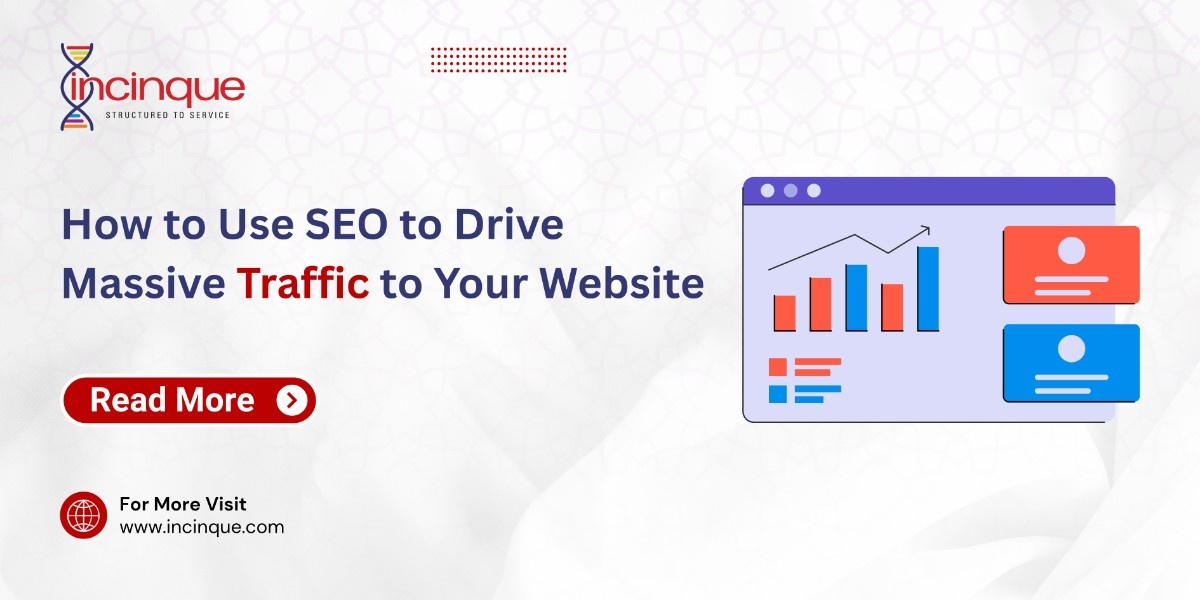
A digital browser vector design showcasing an upward-trending organic traffic chart and optimization layout to represent search engine optimization.

Understanding the Basics: What SEO Really Means

SEO, or search engine optimization, aims to make your website appear when people search for something on Google (or any other search engine). Think of it like this, when someone types in “best running shoes” or “how to fix a slow laptop,” search engines scan millions of websites to find the most relevant and useful answers, and show them on the first page.


Do you still want to know the full form of SEO? It stands for Search Engine Optimization, it’s pretty simple, but the impact is huge.


When your website appears on the first page of search results, your chances of getting clicks increase dramatically. That’s why SEO digital marketing is the core of every successful online business today.


A quick fact: According to a recent SEO audit report, websites that rank on the first page of Google get more than 90% of the traffic.

Why Organic Traffic Should Be Your Top Priority

Whether you own a business, blogging, or do digital marketing, one thing is sure: your website requires visitors. But not just any organic traffic; it has to be targeted and convert.. That’s when SEO, or Search Engine Optimization, comes in.


This article will teach you how to utilize SEO to get many people to visit your website. It starts with the basics and ends with tools and strategies that work. We’ll also talk about important ideas like what SEO tools are, and how a good SEO plan may help you get more traffic and higher ranks.

A Roadmap to Better Visibility: Step-by-Step Guide

1. Smart Keyword Research That Matches Real Intent

Before anything else, you need to generate SEO keywords that match user intent. Think about what your audience is searching for. Use tools like Google Keyword Planner, Uber suggest, or an innovative SEO optimization tool like SEO Studio to uncover high-volume, low-competition keywords. Use long-tail keywords and phrases that are specific to your area, such as “digital agency in Mohali,” “affordable online learning course,” and “best SEO checker tools.” These assist in attracting a more targeted audience ready to take action.

2. On-Page & Off-Page SEO: Optimize Inside and Out

Both on-page and off-page SEO affect how easy it is for people to find your website.


On-page SEO involves:

  • Making title tags and meta descriptions better
  • How to use header tags correctly
  • Adding links to other blog posts or pages within your website is called internal linking.


What is off-page SEO?

  • Getting links back from trustworthy websites
  • Being listed in directories
  • Sharing on social media and mentioning brands


Is your on-page SEO good? Check your website for SEO problems in real time with an SEO checker.

3. SEO Content: Write for People First, Google Second

Help people, answer their questions, and keep them interested in what you write. When you can, use bullet points, headings, and pictures to make things clear. You might also use an SEO course or free guides as lead magnets. This not only makes your specialty more valuable, but it also gives you more authority in it. Remember that Search marketing isn’t about cramming keywords into your content. It’s about making content that is useful and ranks well.

4. Technical SEO and Website Health

Your website won’t rank even if it has the best content if it loads slowly or has broken links. Do monthly SEO audits to detect and fix problems with your website’s code.
Look at factors like:

  • The speed at which the page loads
  • Responsive to mobile devices
  • How the URL is set up
  • Security (SSL certificate)

If you use WordPress, you can install an SEO optimizer plugin or hire a full-service SEO company to do this for you.

5. Track Performance with SEO Tools

You need data to see how far you’ve come. Here are some essential optimization tools to keep an eye on your rankings, traffic, and keyword performance:

  • Google Search Console and Ahrefs
  • SEMrush and Moz Pro

Many SEO companies and professionals use them to get in-depth data and strategic ideas.
If you want to know more about local SEO, contact an experienced digital agency in Mohali that knows worldwide and regional SEO trends.

SEO is a Journey, Not a Destination

What do people do wrong the most? Believing that SEO is a strategy that you can just set and forget.

But the SEO ranking changes based on:

  • What competitors do
  • Changes to the algorithm
  • Changes in search intent

That’s why it’s essential to keep learning by taking an updated SEO course and creating new material.

There are a lot of SEO jobs available, especially in agencies, startups, and freelance marketplaces, so if you’re considering a career in this industry, you should look into it.

Final Thoughts

It’s time to act now that you know how to use SEO to get many people to visit your website.

To begin:

  • Quickly checking your site’s SEO
  • Finding weak points with an SEO checker
  • Taking an online SEO course to learn more
  • Looking into job openings or hiring a reputable SEO business

Your website will be more than simply an online brochure if you think of SEO as a journey instead of a shortcut. It will be a traffic-generating machine.

What is Customer Service? Importance of Good Customer Service.

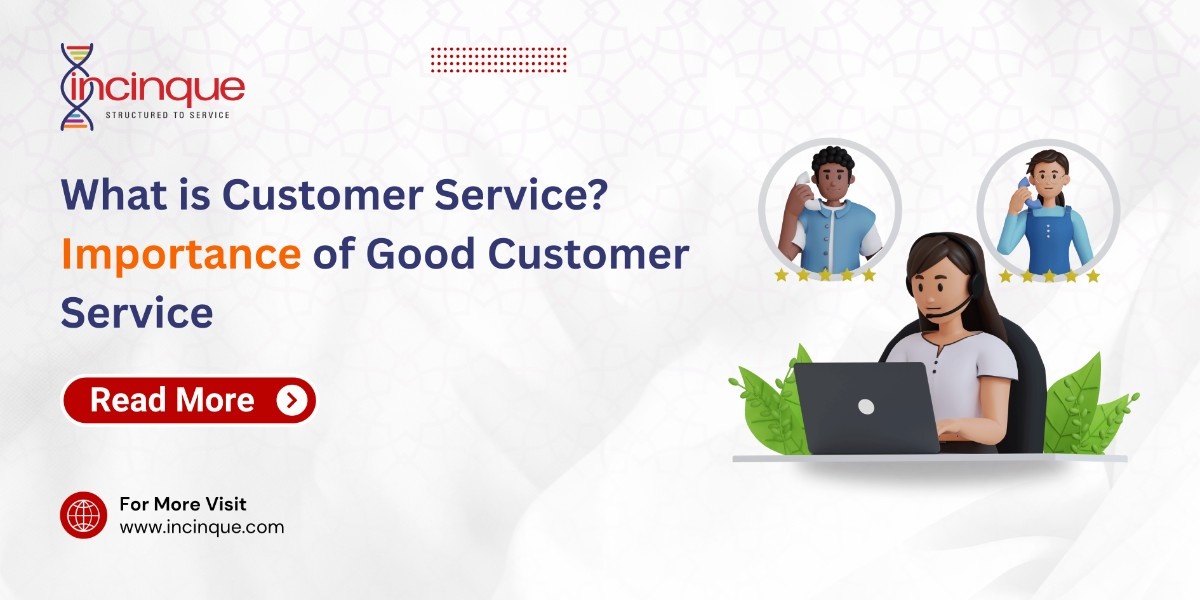
A 3D illustration of a female support agent working at her laptop with user review profiles and five-star rating indicators in the background.

Introduction

In a world where customers have endless choices, one thing that can set a brand apart is customer service. Whether you’re selling a product, offering a service, or running a digital platform, how you treat your customers before, during, and after a purchase can define your business success.In this blog, we’ll explore the meaning of customer service, and why delivering a great customer experience is more crucial than ever.

What is Customer Service?

This refers to the support and assistance provided to customers before, during, and after
they purchase a product or service. It includes answering queries, resolving complaints, offering product guidance, and
ensuring customers are satisfied with their experience.

It can be delivered through various channels, such as:

  • In-person interactions
  • Phone support
  • Live chat and email
  • Social media
  • Chatbots and AI tools

Good customer service isn’t just about solving problems  it’s about making customers feel valued and heard.


Importance of Good Customer Service

Investing in great service pays off in multiple ways. Let’s break down why it matters:

1. Builds Customer Loyalty

Happy customers are more likely to return and continue doing business with you. Exceptional service creates
long-term relationships and trust that no advertisement can buy.

 According to HubSpot, 93% of customers are likely to make repeat purchases with companies that offer excellent service for customers. “

2. Enhances Brand Reputation

In the age of online reviews and social media, word spreads fast. Good service can lead to glowing reviews and referrals,
while poor service can damage your brand image instantly.

3. Increases Revenue

Satisfied customers spend more. They’re also more open to upsells, cross-sells, and new product launches when they trust your service.

4. Gives a Competitive Edge

In saturated markets where products are similar, service becomes the differentiator. People will choose a brand
that values their time and solves their issues quickly.

5. Reduces Customer Churn

Acquiring a new customer is 5 to 7 times more expensive than retaining an existing one. Good service keeps customers
engaged and less likely to leave.

6. Encourages Feedback and Improvement

Excellent customer service encourages open communication. Feedback received can be turned into valuable insights to
improve products, services, or processes.

Examples of Good Service

  • A support agent going above and beyond to solve a problem
  • Responding quickly and empathetically on social media
  • Offering personalized solutions instead of generic responses
  • Following up to ensure the issue is fully resolved


How to Deliver Excellent Customer Service

  • Train your team to be polite, patient, and professional
  •  Use customer service software to manage queries efficiently
  •  Empower your agents to make decisions on the spot
  •  Collect feedback and act on it
  •  Be available across multiple platforms (phone, email, social, chat)


Final Thoughts

These service is not just a support function  it’s a core part of your brand experience. Delivering
exceptional customer service builds loyalty, increases sales, and sets your business apart in a crowded market.

In short, treat your customers the way you’d want to be treated  and your business will thank you for it.

Project Management for Marketing Complete Guide

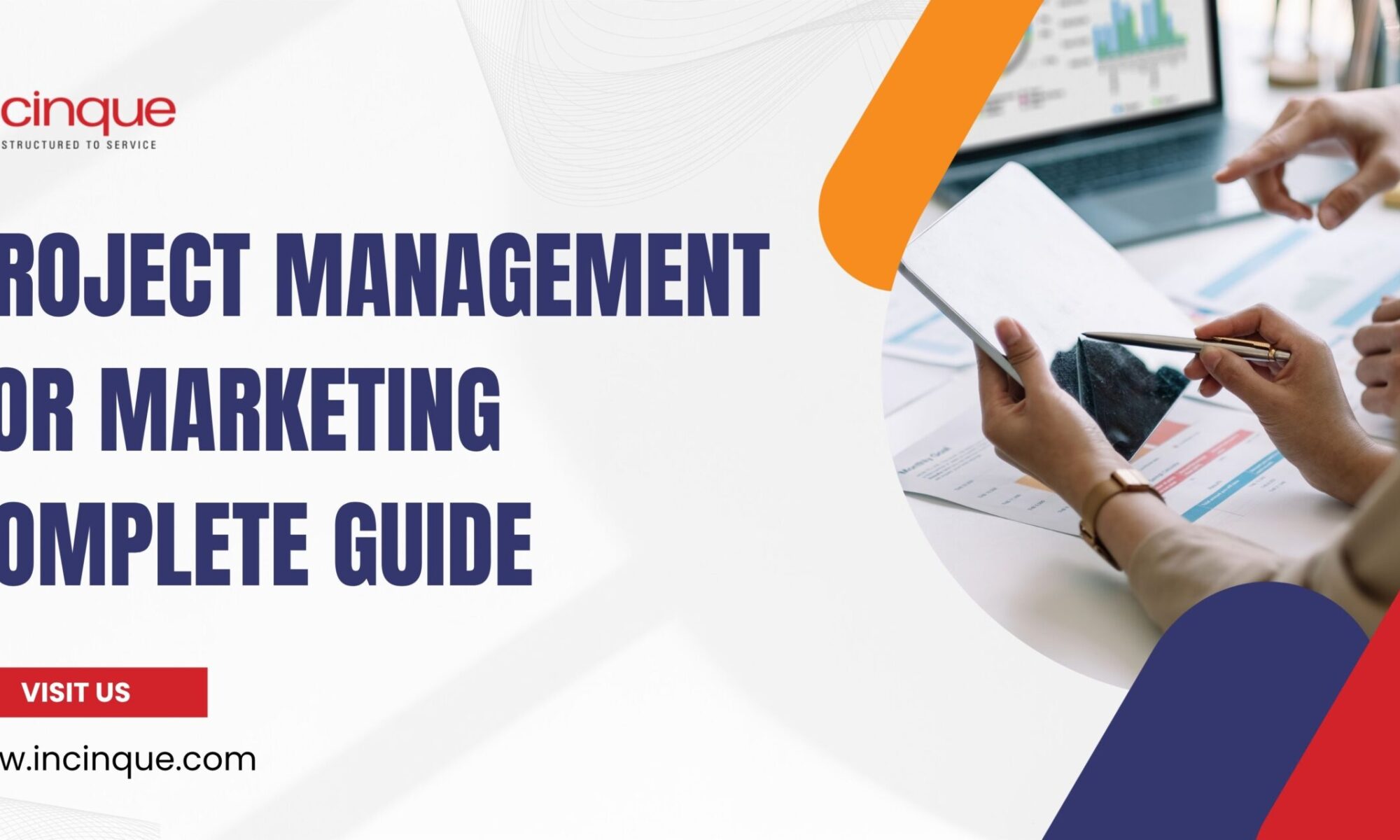
Close-up of corporate team members analyzing business charts and tracking workflows to demonstrate project management for marketing.

Navigating the world of marketing can be a complex task, especially when it comes to managing campaigns effectively. With multiple stakeholders, tight deadlines, and creative processes, project management becomes essential. In this guide, we’ll explore how project management for marketing can streamline your operations and ensure the success of your campaigns.


Before diving into the tools and strategies, it’s crucial to understand the basics of marketing campaign management. It involves planning, executing, tracking, and analyzing marketing initiatives. Successful management ensures that all campaign elements are aligned with business goals and are delivered on time and within budget.

Key Components of Marketing Campaign Management

  • Goal Setting: Clearly define what you want to achieve with your campaign. Whether it’s increasing brand awareness or driving sales, having clear objectives is crucial.
  • Planning: Create a detailed plan that outlines the timeline, budget, and resources needed. This includes identifying the target audience, deciding on the marketing channels, and determining the key messages.
  • Execution: This is where the plan comes to life. It involves coordinating with different teams, creating content, and launching the campaign across chosen channels.
  • Monitoring and Adjustment: Track the performance of your campaign using analytics tools. Be ready to make adjustments based on real-time data to optimize results.
  • Evaluation: After the campaign ends, evaluate its success against the initial goals. This helps in understanding what worked well and what needs improvement for future campaigns.

The Role of Project Management in Marketing

Project management in marketing involves applying project management principles to marketing activities. It helps in organizing tasks, managing resources, and ensuring timely delivery. Here’s why it’s essential:

Ensuring Efficient Resource Allocation


Marketing projects often require collaboration among various departments such as design, content, and sales. Project management ensures that resources are allocated efficiently, preventing bottlenecks and delays.

Maintaining Clear Communication

Effective communication is the backbone of any successful project. Project management facilitates better communication by defining roles and responsibilities, setting regular check-ins, and using collaboration tools.

Risk Management

Every marketing campaign carries some level of risk. Project management helps identify potential risks early and develop mitigation strategies to minimize their impact.

Project Management Tools for Marketing Agencies

With the increasing complexity of marketing campaigns, using the right project management tools becomes essential. Here are some popular tools that can help marketing agencies streamline their processes:

Trello

Trello is a user-friendly tool that uses boards, lists, and cards to organize tasks. It’s ideal for visualizing the workflow of a marketing campaign, making it easy to track progress and collaborate with team members.

Asana

Asana offers a robust platform for managing tasks, projects, and workflows. It allows marketing teams to break down complex projects into manageable tasks, set deadlines, and track progress with ease.

Monday.com

Monday.com is a flexible work operating system that helps teams plan, run, and track marketing campaigns. With customizable templates, it adapts to the unique needs of marketing agencies.

Wrike

Wrike provides a comprehensive suite of tools for managing marketing projects. It offers features like Gantt charts, time tracking, and custom dashboards, making it easy to oversee multiple projects.

Basecamp

Basecamp is known for its simplicity and effectiveness in team collaboration. It offers message boards, to-do lists, and file storage, ensuring that all project-related information is in one place.

Implementing Project Management in Your Marketing Agency

Now that we’ve discussed the importance of project management and the tools available, let’s look at how to implement it in your marketing agency.

Define Clear Objectives and KPIs

Start by setting clear objectives for your projects. Identify key performance indicators (KPIs) that align with your business goals. This helps in measuring the success of your marketing efforts.

Develop a Structured Workflow

Create a structured workflow that outlines each step of the project. This includes defining roles, setting deadlines, and establishing communication protocols. A well-defined workflow ensures that everyone knows what is expected of them.

Foster a Collaborative Environment

Encourage collaboration among team members by using project management tools that facilitate communication and file sharing. Regular team meetings and updates help keep everyone on the same page.

Monitor Progress and Adapt

Regularly monitor the progress of your projects using analytics and reporting tools. Be prepared to adapt your strategies based on data insights to improve outcomes.

Evaluate and Learn

After project completion, conduct a thorough evaluation to identify successes and areas for improvement. Use these insights to refine your project management processes for future campaigns.

Conclusion

Project management for marketing is not just a buzzword. It’s a necessity for today’s marketing agencies. By implementing effective project management strategies and using the right tools, you can streamline your operations, improve collaboration, and achieve your marketing goals more efficiently. Whether you’re a small business or a large agency, these practices can lead to more successful marketing campaigns and, ultimately, business growth.

Digital Marketing Strategies: How to Implement Them in Your Business?

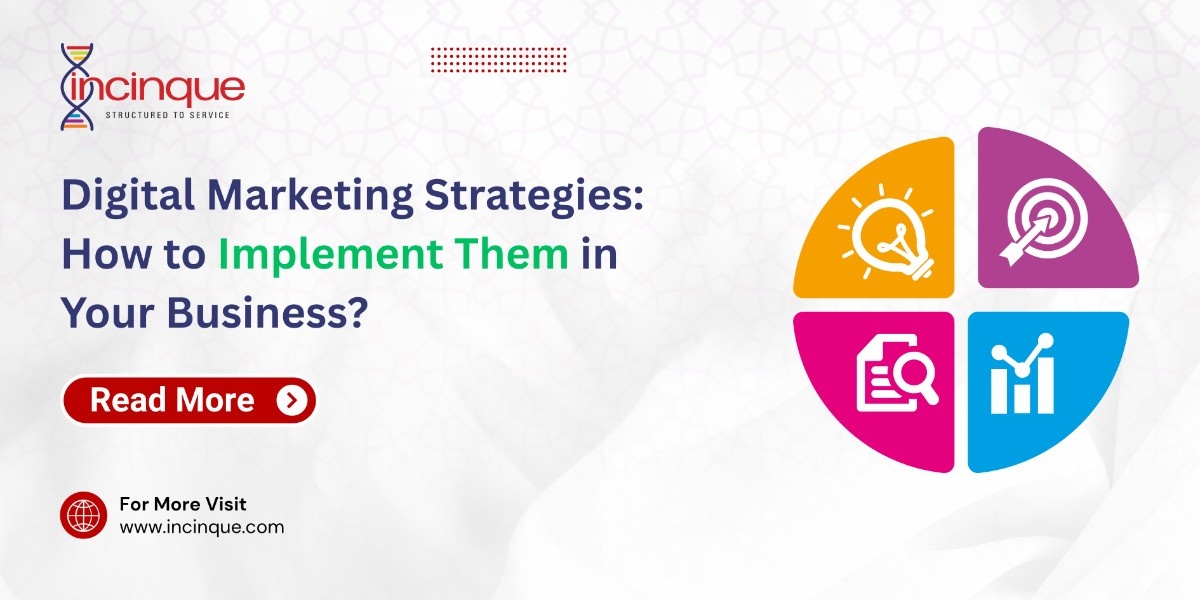
A circular quadrant icon featuring a lightbulb, target arrow, research document, and performance chart to illustrate digital marketing strategy execution.

Introduction

In an era where digital presence defines business success, having the right marketing strategy can make or break your brand. A strong digital marketing strategy not only helps you reach your target audience but also drives traffic, generates leads, and builds lasting relationships. Whether you’re a startup or an established enterprise, it’s essential to understand what digital marketing strategies are and how to implement them effectively.


What is a Digital Marketing Strategy?

A digital marketing strategy is a plan that outlines how your business will achieve its marketing goals using digital channels such as search engines, social media, email, websites, and paid advertising. It provides a clear roadmap for reaching potential customers online and guiding them through the buyer’s journey.


Key Digital Marketing Strategies

1. Search Engine Optimization (SEO)

Optimizing your website and content to rank higher in search engine results, increasing organic traffic and visibility.

2. Content Marketing

Creating valuable and relevant content (blogs, videos, eBooks) that attracts and retains a clearly defined audience.

3. Social Media Marketing (SMM)

Leveraging platforms like Instagram, LinkedIn, Facebook, and Twitter to engage with audiences, share content, and build a community.

4. Pay-Per-Click Advertising (PPC)

Running paid ads (e.g., Google Ads, Meta Ads) to instantly boost visibility and drive qualified traffic to your site.

5. Email Marketing

Sending personalized messages and newsletters to subscribers to nurture leads and encourage repeat purchases.

6. Influencer Marketing

Collaborating with influencers to reach new audiences and build trust through authentic recommendations.

7. Affiliate Marketing

Partnering with other businesses or individuals who promote your product for a commission on each sale.


How to Implement Digital Marketing Strategies in Your Business

Having a list of strategies is not enough  the key is implementation. Here’s a step-by-step guide to putting your digital marketing plan into action:


1. Set Clear Goals

Define what you want to achieve  more website traffic, lead generation, higher conversion rates, or brand awareness. Your goals should be SMART (Specific, Measurable, Achievable, Relevant, Time-bound).

2. Know Your Target Audience

Understand your ideal customer’s demographics, pain points, behaviors, and online habits. This helps tailor your messaging and choose the right platforms.

3. Build a Strong Online Presence

Start with a professional website, optimize your content for SEO, and maintain active social media profiles.

4. Create High-Quality Content

Develop a content calendar and create blogs, videos, reels, and graphics that educate, entertain, or solve problems for your audience.

5. Use Marketing Tools

Leverage tools like:

  • Google Analytics for performance tracking
  • HubSpot or Mailchimp for CRM and email campaigns
  • Hootsuite or Buffer for social media management

6. Run Paid Campaigns

Use platforms like Google Ads or Facebook Ads Manager to create targeted paid campaigns. Test different creatives and monitor ROI.

7. Analyze & Optimize

Regularly track your campaign performance. Measure what’s working and what isn’t. Use insights to refine your strategies and improve future results.


Common Mistakes to Avoid

  • Ignoring mobile optimization
  • Not defining your buyer persona
  • Spamming users with irrelevant content
  • Skipping analytics and not tracking performance
  • Failing to update your strategy with trends


Final Thoughts

Digital marketing strategies are not one-size-fits-all. What works for one brand may not work for another. The key to success lies in understanding your business goals, knowing your audience, and continuously testing, analyzing, and refining your efforts.

By implementing the right strategies thoughtfully and consistently, you can build a powerful digital presence that attracts, engages, and converts your audience  turning clicks into customers and browsers into brand advocates.

What is Content Marketing and Why Does Your Business Need It?

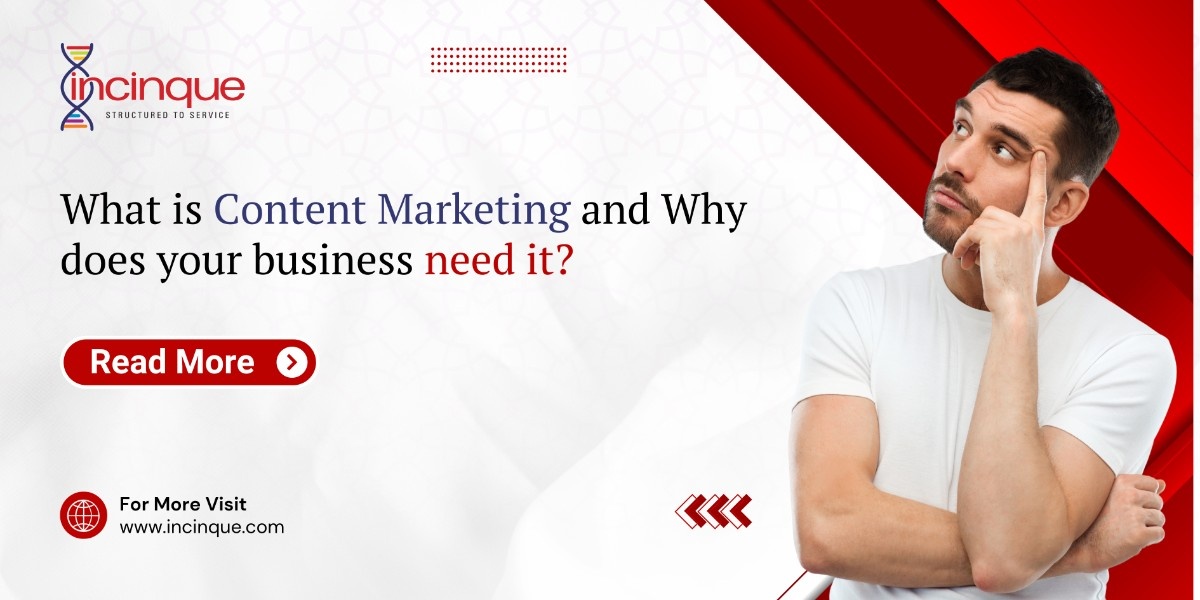
A man in a white t-shirt looking thoughtful, representing the strategic consideration of content marketing needs for a business.

Introduction

In today’s digital-first world, consumers are constantly searching for value  not just in products, but in the content they consume. That’s where content marketing comes in. It’s not just a buzzword  it’s one of the most powerful strategies for building trust, boosting brand awareness, and driving conversions. But what exactly is content marketing, and why is it crucial for your business?


What is Content Marketing?

Content marketing is a strategic approach focused on creating and distributing valuable, relevant, and consistent content to attract and engage a clearly defined audience  and ultimately, to drive profitable customer actions.

Unlike traditional advertising that pushes products directly, content marketing aims to educate, entertain, or inspire your audience  building a relationship that naturally leads to trust and loyalty.


Types of Content Marketing

There are many forms of content marketing, and the best strategies use a mix depending on the audience and goals:

  • Blogs – Informative articles that improve SEO and answer customer questions.
  • Videos – Engaging visual content for product demos, storytelling, or education.
  • Infographics – Visual summaries of data or processes that are easy to digest and share.
  • Social Media Posts – Bite-sized content to engage followers and spark conversations.
  • Podcasts – Audio content that provides insights and builds thought leadership.
  • E-books & Whitepapers – In-depth content used for lead generation and education.
  • Emails & Newsletters – Regular updates that keep your brand top of mind.


Why Your Business Needs Content Marketing

1. Builds Brand Awareness

When your content shows up in search results or social feeds, it exposes your brand to new audiences organically.

2. Drives Organic Traffic

High-quality content optimized for SEO helps you rank higher on Google, bringing in consistent, unpaid traffic over time.

3. Establishes Authority

Sharing expert insights and helpful information positions your brand as a trusted voice in your industry.

4. Supports the Buyer Journey

From awareness to consideration and decision, content guides users through every stage of the sales funnel.

5. Increases Engagement

Great content encourages likes, shares, and comments  boosting engagement and community growth.

6. Boosts Conversions

Well-crafted content can generate leads, nurture prospects, and turn visitors into paying customers.

7. Cost-Effective in the Long Run

Unlike paid ads that stop when the budget runs out, evergreen content continues to deliver value for years.


Real-World Example

Think about brands like HubSpot, Nike, or Zomato  all of them use content to connect with their audience. Whether it’s through how-to guides, inspirational videos, or humorous tweets, they create content that resonates and builds loyal communities.


Tips for Effective Content Marketing

  • Know Your Audience – Understand their needs, pain points, and preferences.
  • Create a Content Calendar – Plan and schedule your content to maintain consistency.
  • Focus on Quality Over Quantity – A few great pieces will outperform many mediocre ones.
  • Optimize for SEO – Use keywords, meta tags, and internal linking to boost visibility.
  • Track and Measure – Use tools like Google Analytics to see what’s working and adjust accordingly.


Final Thoughts

In an age where consumers are overwhelmed with ads, content marketing offers a refreshing approach  helping businesses attract and retain customers by delivering real value. It’s not about selling; it’s about connecting, educating, and building trust. If you want to stand out, grow organically, and create loyal brand advocates, content marketing is not optional it’s essential.


SEO vs PPC: Which Digital Strategy Works Best for Your Local Business?

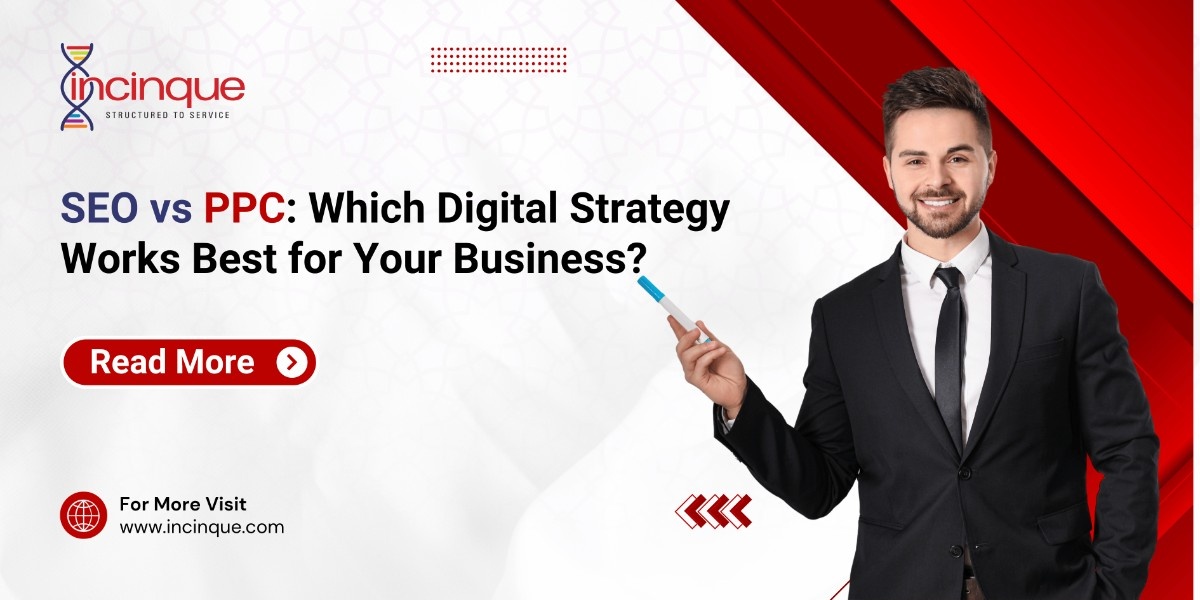
A professional businessman in a suit pointing with a marker, illustrating the comparative analysis of choosing between SEO and PPC digital marketing strategies.

When running a local business, visibility online isn’t optional it’s survival. Two powerful strategies dominate digital marketing: SEO (Search Engine Optimization) and PPC (Pay-Per-Click advertising). But if you’re weighing SEO vs PPC Which is better? the answer depends on your goals, budget, and timeline.

What Is SEO and Why Does It Matter for Local Businesses?

SEO for local business focuses on improving your visibility in search engines like Google. It’s about ranking in organic results so customers find you without ads. Key tactics include:

  • Google Maps SEO: Optimizing your Google Business Profile to appear in the “Local Pack” for searches like “plumber near me”.

  • On-page optimization: Includes keywords, high-quality content, schema markup, internal linking, and site structure factors that can influence up to 80% of your Google rankings.

  • Local citations and reviews: Consistent NAP (Name, Address, Phone) across directories plus positive customer feedback.

For local businesses, strong SEO means more calls, visits, and leads—without paying for every single click.

What Is PPC and How Does It Help Local Businesses?

PPC for local business involves running paid ads (like Google Ads) to appear at the top of search results. You pay only when someone clicks your ad. Benefits include:

  • Instant visibility even for competitive keywords.

  • Geo-targeting to reach customers in your city or neighborhood.

  • Budget control: you decide how much to spend daily.

Unlike SEO, PPC brings immediate results, but once you stop paying, visibility disappears.

The Difference Between SEO and PPC

The difference between SEO and PPC comes down to cost structure, timing, and sustainability:

Factor SEO PPC
Cost Investment in content, optimization, and time. Pay per click. Immediate spend.
Speed Slower—results build over months. Instant traffic as soon as ads go live.
Longevity Long-term rankings bring ongoing leads. Visibility stops when budget runs out.
Trust Users often trust organic results more. Ads can look less credible to some users.

SEO vs PPC: Which Is Better for Local Businesses?

The truth: PPC and SEO marketing work best together. But if you have to choose:

  • Pick SEO if you want sustainable growth, more local visibility on Google Maps, and long-term ROI.

  • Pick PPC if you need leads fast, have a competitive niche, or want to test new markets.

  • Pick both if you want maximum exposure use PPC for quick wins and SEO for lasting authority.

Final Thoughts

For local businesses, there’s no universal winner in the SEO vs PPC debate. SEO builds long-term trust and visibility, while PPC provides speed and control. The smartest strategy often blends both investing in SEO and organic growth while using targeted PPC campaigns for instant results. For the best results, a digital marketing agency can help you combine SEO and PPC into a tailored strategy that drives measurable growth.

What Are Digital Marketing Services? Role of a Digital Marketer?

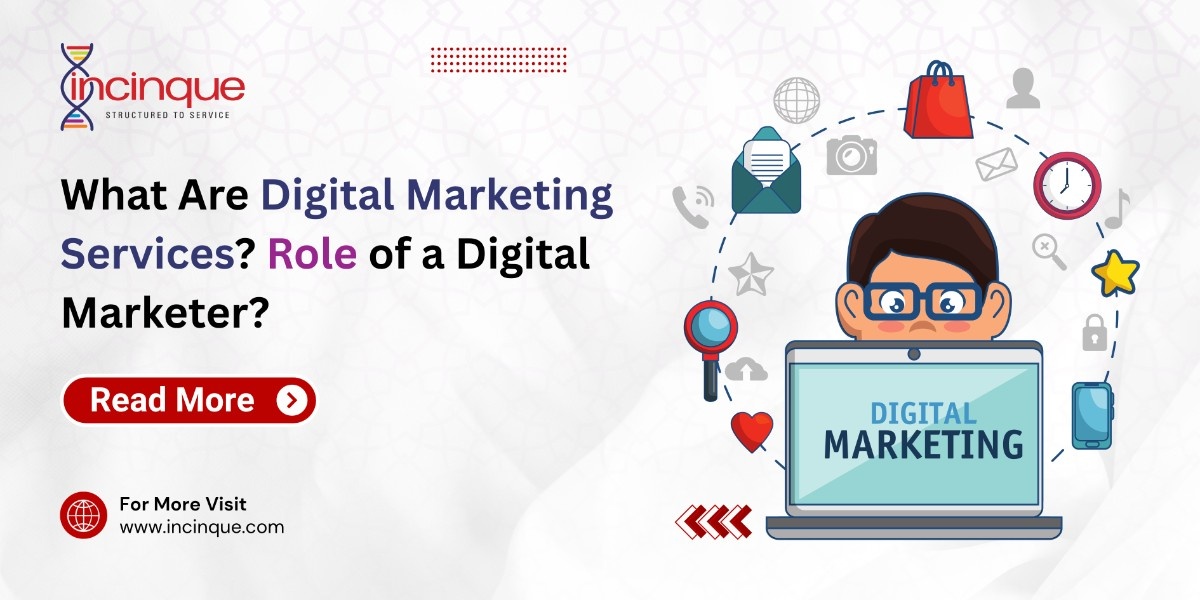
An illustration of a person working on a laptop labeled "DIGITAL MARKETING," surrounded by various digital icons like emails, shopping bags, and clocks, representing the diverse responsibilities of a digital marketer.

Introduction

In today’s hyper-connected world, businesses no longer rely solely on traditional marketing to grow. As more consumers spend time online, the need to connect, influence, and convert them through digital platforms has become essential. That’s where digital marketing services come in  offering strategies, tools, and platforms to help brands thrive in the digital space.


What Are Digital Marketing Services?

Digital marketing services refer to a broad range of online marketing activities aimed at promoting products, services, or brands through digital channels. These services use the internet and digital technologies such as computers, mobile devices, and social media platforms to reach a target audience effectively.


1. Search Engine Optimization (SEO)

SEO is the process of optimizing your website to rank higher on search engines like Google. Higher rankings mean more visibility, traffic, and potential customers.

2. Social Media Marketing (SMM)

This involves promoting your brand on platforms like Instagram, Facebook, LinkedIn, and Twitter. It includes posting content, running ads, and engaging with your audience.

3. Pay-Per-Click Advertising (PPC)

PPC allows businesses to place ads on platforms like Google Ads or social media. You only pay when someone clicks your ad, making it a cost-effective strategy for driving traffic and conversions.

4. Content Marketing

Creating and sharing valuable content (blogs, videos, infographics, etc.) to attract and engage a clearly defined audience and encourage profitable customer actions.

5. Email Marketing

Using personalized emails to nurture leads, share updates, and promote services or products. It’s one of the most direct forms of digital communication with your audience.

6. Website Design and Development

Your website is the face of your business online. A well-designed, user-friendly, and mobile-responsive website is crucial to converting visitors into customers.

7. Online Reputation Management

Managing and improving the public perception of a brand by responding to reviews, addressing complaints, and monitoring mentions across the internet.


Role of Digital Marketers

Digital marketers are the strategic minds behind successful online campaigns. Their role is not just about creating ads or posts  it’s about understanding customer behavior, crafting strategies, and optimizing digital channels for results.


1. Strategy Development

They create custom marketing strategies based on business goals, audience analysis, and market trends.

2. Audience Targeting

Digital marketers analyze demographics, behaviors, and preferences to target the right people at the right time with the right message.

3. Campaign Execution

They manage digital campaigns across multiple platforms, ensuring content is scheduled, ads are optimized, and KPIs are tracked.

4. Analytics and Reporting

Using tools like Google Analytics, marketers track campaign performance, measure ROI, and make data-driven decisions.

5. Staying Updated

Digital trends change fast. Marketers continuously learn about algorithm updates, consumer behavior shifts, and new tools to stay ahead of the curve.


Why Digital Marketing Matters

  • Wider Reach: Tap into global audiences.
  • Cost-Effective: Often cheaper than traditional methods.
  • Measurable: Track everything in real-time.
  • Engagement: Build direct relationships with your customers.


Final Thoughts

Digital marketing services are the foundation of modern business growth. From driving traffic to building lasting relationships, these services provide a scalable and measurable way to reach your audience. Digital marketers, in turn, are the architects of this success  blending creativity, data, and technology to deliver real results.

Whether you’re a small startup or a large enterprise, investing in digital marketing isn’t just a smart move  it’s essential for staying relevant and competitive in today’s digital-first world.

shape
Our Clientele

Trusted by Leading Brands