I N C I N Q U E

Loading

How to Choose the Right Web Designer on a Budget?

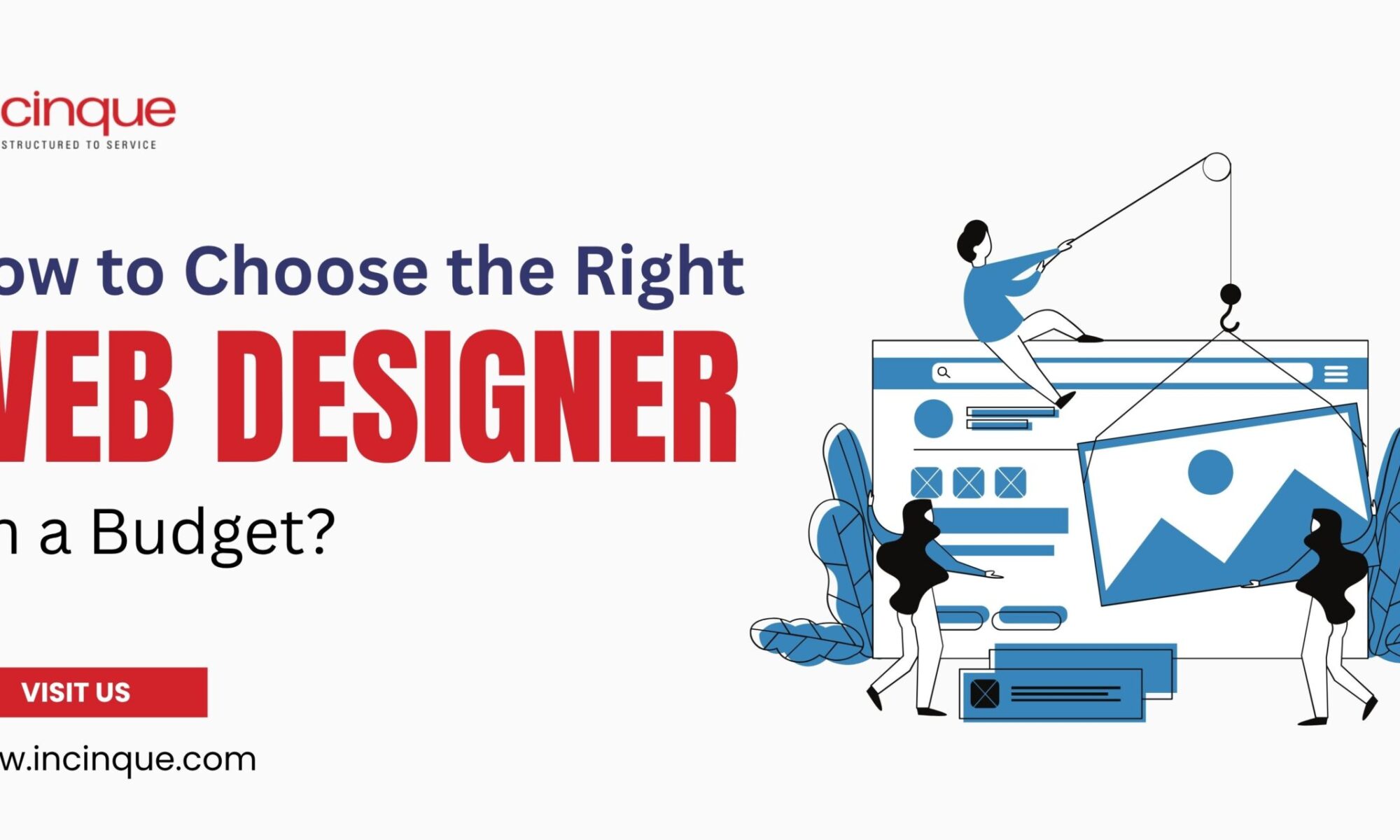
Illustrated design team constructing a website interface to show how to choose the right web designer on a budget.

You are a business owner looking for a dependable and economical web design partner—an absolute necessity for small firms, startups, and entrepreneurs that want a solid online presence without splurging on marketing. The good news is that affordable, professional web design services are entirely achievable if you know what you’re looking for. This blog discusses how to compare budget web design services, make an informed decision, and stay inside your budget.

1. Start With Your Goals and Budget

Before you begin comparing designers, define your website’s aims. Whether you want a simple service page or a feature-rich online store, the goal will influence the cost. Once your demands are clear, you can safely find companies who offer low-cost website design while still meeting your main criteria.

2. Review Their Portfolio Carefully

You could propose that designers show previous work in your industry; this is one of the best indicators of whether their skills match your company’s needs. Conduct a web design portfolio review to evaluate their creativity, design consistency, mobile responsiveness, and industry experience. Look for similar websites to guarantee they can deliver the same level of quality. This allows you to assess whether the designer can provide a professional, well-designed website at a fair cost.

3. Compare Freelancers vs Agencies

If you are unsure about whether to hire freelancers or web design firms, you should consider the advantages and downsides of each.

Freelancers frequently provide affordable web design services and greater flexibility, making them suitable for small enterprises on a tight budget. They typically have reduced overhead expenditures, resulting in low-cost website design with a more intimate working relationship. The disadvantage is that a freelancer may have limited availability, a longer turnaround time, and fewer resources—particularly for large projects that involve various skill sets such as UX/UI design, development, SEO, and continuing technical support.

Web design agencies, on the other hand, have an entire team of professionals who provide polished results, established techniques, and continuing technical support. Their key qualities are dependability, diverse skill sets, outstanding UX/UI design, and ongoing post-launch support. However, agencies are frequently more expensive due to increased operating costs, rendering them inappropriate for extremely tight budgets.

If you need economical, simple, and rapid web design, a freelancer can work within your budget and project size. However, if your organization need high-quality design, long-term support, and a team that can grow with your needs, hiring an agency is a better alternative.

4. Check Pricing Transparency

One of the most difficult elements of budget web design services is dealing with confusing or hidden pricing. Always seek transparent pricing that includes design, development, revisions, plugins, hosting, and any additional fees. Inquire about the cost of UX/UI enhancements, customized artwork, advanced functionality, and additional pages. Clear and direct communication from the start might help you prevent unexpected costs later.

5. Evaluate Technical Skills and Support

Even a physically appealing website is ineffective unless it functions properly. Examine the designer’s technical skills in areas like as mobile responsiveness, SEO foundations, website load optimization, and experience with CMS platforms such as WordPress or Shopify. Examine the type of technical support and ongoing maintenance they provide. Even a low-budget project need long-term dependability and consistent support.

6. Ask About Post-Launch Support

Even after you launch your website, it will require continual upgrades, security checks, and bug patches. Reliable designers offer post-launch support through maintenance packages or pay-as-you-go services. Ensure that your designer is available for future updates and does not leave after producing the final website.

7. Outsource Smartly When Needed

If you’re on a limited budget, you can outsource web design cheaply by employing designers from countries known for producing high-quality work at reduced prices, such as India, the Philippines, Pakistan, and Eastern European countries like Ukraine or Romania. These locations offer experienced designers at competitive rates. Just make sure they have excellent communication skills, a great portfolio, and dependable reviews. When done effectively, outsourcing can dramatically cut expenses while maintaining high quality results.

8. Learn to Negotiate

Prices are frequently adjustable. You can employ smart web design negotiating methods like:

  • Asking for bundled services
  • Requesting fewer modifications at a lesser cost
  • Paying advance in exchange for a discount.
  • Choosing template-based layouts over fully customized designs.

These bargaining strategies help to lower total costs while still guaranteeing that your website meets all necessary criteria.

9. Finalize a Clear Contract

A thorough agreement protects both you and the designer. Make sure the contract specifies dates, deliverables, pricing, revision restrictions, ownership rights, and support terms. Following correct web design contract rules establishes clear expectations, avoids misunderstandings, and keeps the project on track from beginning to end.

Final Thoughts

Choosing the right web designer on a budget necessitates clarity, research, and sound decision-making. When you clearly define your goals and expectations, affordable web design for small businesses becomes possible without losing competence. Concentrate on portfolio analysis, pricing transparency, technical expertise assessment, and long-term support confirmation. These strategies will assist you in making the most of your investment while also building a strong and effective online presence.

Web Design vs. Web Development: What’s the Difference?

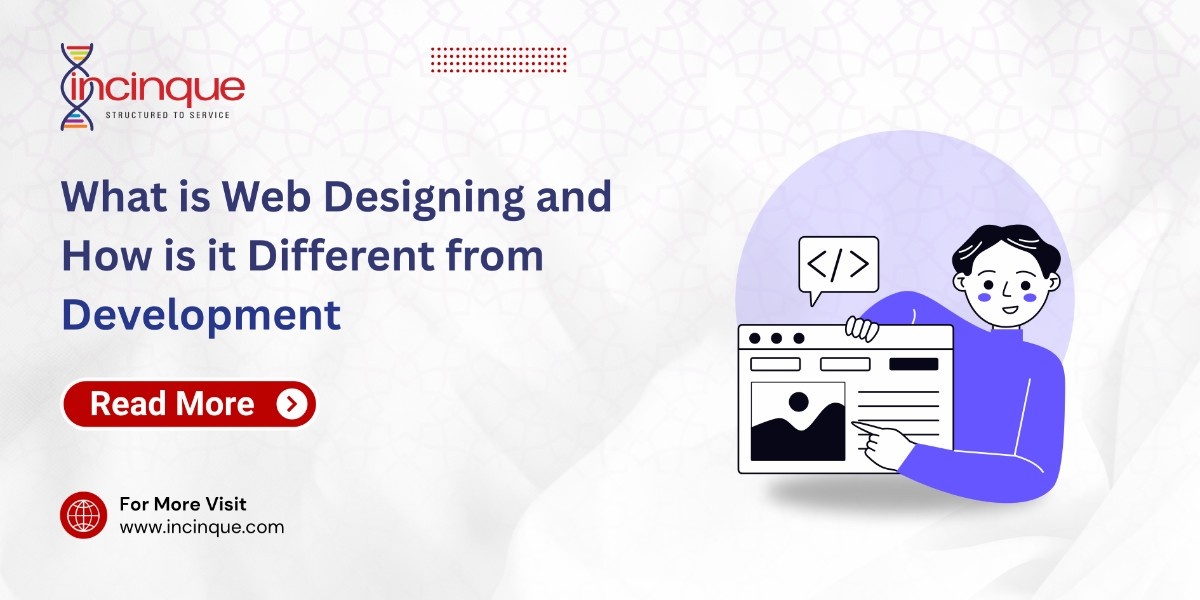
An illustration of a creator presenting a visual frontend layout to highlight the specific role of creative website design.

You’re ready to launch your website. However, you’re confused about whether to hire a designer or developer. This common dilemma affects countless businesses and individuals every day. Understanding the difference between web designer and web developer roles can save you time, money, and frustration.

The digital landscape is evolving rapidly. According to Business Research Insights, the global web development market will reach $130.9 billion by 2032. Therefore, knowing which professional to hire is more critical than ever.

What Do Web Designers and Web Developers Actually Do?

Web Designers

Focus on the visual experience of your website. They craft how your site looks and feels to visitors. Moreover, they consider colors, layouts, typography, and overall user experience. Think of web designers as architects. They create the blueprint for your digital space. Their work includes wireframing, mockups, and visual prototypes that bring ideas to life.

Web Developers

Web developers, on the other hand, build the functional framework. They transform designs into working websites using code. Additionally, they ensure everything runs smoothly behind the scenes. Developers are like construction engineers. They take the architect’s plans and make them real. Their expertise brings static designs to life through programming.

Key Differences: Skills, Tools, and Focus Areas

Design vs. Development: The Core Distinction

Design and development are different in fundamental ways. Here’s what sets them apart:

Web Designers Focus On:

  • Visual aesthetics and brand identity
  • User experience (UX) and user interface (UI) design
  • Color theory and typography principles
  • Creating mockups using Figma, Adobe XD, or Sketch
  • Ensuring intuitive navigation and accessibility

Web Developers Concentrate On:

  • Writing clean, efficient code
  • Front-end languages like HTML, CSS, and JavaScript
  • Back-end technologies such as PHP, Python, or Node.js
  • Database management and server configuration
  • Website performance and security optimization

The Tools They Use

Designers work with creative software. Photoshop, Illustrator, and Figma are their primary tools. These platforms help them visualize concepts before development begins.

Developers use coding environments and frameworks. Visual Studio Code, GitHub, and Chrome DevTools are essential. Furthermore, they rely on version control systems to manage code effectively.

Market Insights: Salaries and Career Opportunities

The financial differences between these roles are notable. In India, web designers earn an average of ₹2,65,692 annually. Meanwhile, web developers command higher salaries at approximately ₹4,10,000 per year.


This salary gap reflects the technical complexity of development work. However, experienced designers working on enterprise projects can earn significantly more.


Globally, both careers show strong growth potential. The increasing demand for digital presence drives opportunities in both fields. Therefore, choosing either path offers promising long-term prospects.

When Should You Hire a Designer vs. a Developer?

Hire a Web Designer When:

  • Rebranding your existing website
  • Creating visual mockups for investor presentations
  • Improving user experience and engagement rates
  • Designing marketing materials and landing pages

Hire a Web Developer When:

  • Building custom functionality or features
  • Integrating third-party APIs and services
  • Optimizing website speed and performance
  • Developing e-commerce platforms or web applications

Many projects require both professionals. Consequently, understanding each role helps you assemble the right team. Small businesses often start with designers, then bring developers to implement the vision.

Practical Career Advice: Which Path Is Right for You?

Choose Web Design If You:

  • Love visual storytelling and creative problem-solving
  • Enjoy understanding human psychology and behavior
  • Prefer working with visual tools over coding
  • Want to focus on aesthetics and user experience

Choose Web Development If You:

  • Enjoy logical thinking and problem-solving through code
  • Like building systems and seeing them function
  • Want to work with databases and server technologies
  • Prefer technical challenges over visual design

Many successful professionals blend both skills. Full-stack developers, for instance, understand design principles alongside coding. Similarly, modern designers often learn HTML and CSS to better communicate with developers.


The key is continuous learning. Both fields evolve rapidly with new tools and techniques emerging regularly. Therefore, staying updated through courses, certifications, and practice is essential.

Moving Forward: Building Your Digital Success

Understanding the difference between web designers and web developers empowers better decision-making. Design creates an emotional connection with your audience. Development brings that vision to life functionally.


Both roles are crucial for successful websites. Neither is superior to the other. Instead, they complement each other perfectly when working in harmony. Whether you’re hiring professionals or choosing a career path, remember this: great websites need both beautiful design and solid development. Invest in understanding both disciplines. Your digital success depends on it.


Ready to start your web project? At Incinque Business Solutions, we understand that exceptional websites require both creative design and robust development. Clearly define whether you need design, development, or both. Then, partner with professionals whose portfolios demonstrate expertise in your specific requirements. Your perfect website awaits.

shape
Our Clientele

Trusted by Leading Brands