I N C I N Q U E

Loading

Why Is Graphic Design Services Important for Every Brand in 2026

A 3D illustration featuring a designer at a workstation, surrounded by digital creative tools including light bulbs for ideas, text editors, and drawing pens to symbolize professional graphic design.

We’ve all seen it: a brilliant product buried under a clumsy, outdated logo, or a website that feels like it hasn’t been touched since the mid-2010s. By 2026, the digital world is louder, faster, and more crowded than ever. With AI-generated content flooding every feed, people’s eyes have become finely tuned—they can spot mediocrity in an instant and scroll past without a second thought.

If your goal is more than just “existing online,” your brand needs visuals that demand attention and respect. Investing in professional graphic design services, including Logo Design Services, isn’t optional anymore—it’s a survival strategy. A thoughtfully crafted logo can instantly convey your brand’s personality, credibility, and promise—before anyone even reads a single word. Let me walk you through why these services are now essential, drawing from years of working in the trenches of branding and design.

1. First Impressions Happen in a Blink

You don’t get seconds—you get milliseconds. Before a potential customer reads a word of your copy, they’ve already formed an opinion based solely on visuals. A clean, thoughtful layout tells them you’re serious, professional, and detail-oriented. I’ve seen clients lose leads simply because their landing page felt cluttered—even with the best product in the world.

2. Cutting Through the AI Noise

Yes, AI can generate images, but it can’t replicate the subtlety of a human designer. Witty nuance, irony, cultural context—these are things an algorithm usually misses. A seasoned graphic designer for website or brand assets knows how to embed personality, emotion, and strategy into every pixel.

3. Consistency Across Multi-Channel Marketing

Your brand doesn’t live in one place—it exists across TikTok, LinkedIn, email campaigns, and physical packaging. Multi-channel marketing only works if your visuals tell a unified story. A graphic design agency ensures your identity stays consistent whether it’s a 15-second reel, a newsletter, or a billboard. Inconsistency? It kills credibility.

4. Turning Visitors into Customers

Good design does more than look attractive—it guides behavior. Placement of CTAs, typography, and layout can subtly steer people along a journey, converting casual visitors into paying customers. Think of it as invisible hand-holding, leading them toward action.

5. Instant Trust

Would you hand over your credit card to a site that looks sketchy? Probably not. Fonts, whitespace, and professional imagery act as a quiet endorsement. Trust isn’t built with words alone; design speaks louder than any tagline.

6. Storytelling Without Words

Not everyone speaks the same language, but everyone understands visuals. A carefully crafted brand communicates your story—luxury, innovation, eco-consciousness—through color, shape, and composition. I’ve worked on campaigns where a single visual told the story of a brand better than a thousand words ever could.

7. SEO and Visual Search Boost

Search engines now prioritize original, custom visuals over generic stock photos. Investing in professional graphic design services isn’t just about people seeing your brand—it can boost your visibility in visual search results too.

8. Maximizing ROI on Marketing Spend

You can pour money into traffic, but if your ad doesn’t resonate visually, it’s wasted. Poor design drives up your cost per click, while a well-executed creative strategy ensures your campaigns actually convert.

9. Emotional Connection and Loyalty

People don’t just buy products—they buy experiences and feelings. The right color palette can evoke nostalgia, excitement, or calm. Design bridges the gap between a functional item and an emotional brand experience.

10. Accessibility and Dark Mode

By 2026, accessibility isn’t a bonus—it’s essential. Professional design ensures your content is legible across devices, works in dark mode, and is accessible to users with visual impairments. Inclusivity isn’t just ethical—it broadens your audience.

11. Simplifying Complexity

If your business involves complicated data or processes, visuals can simplify and clarify. Infographics and thoughtful layouts turn dense information into digestible, shareable content, establishing authority without overwhelming your audience.

12. Employee Pride and Alignment

Design matters internally too. Sleek presentations, polished business cards, and a cohesive office aesthetic boost morale. Teams naturally perform better when they feel proud of the brand they represent.

13. Communicating Sustainability

Consumers want transparency. Thoughtful design—think minimalist layouts, eco-friendly imagery, and intentional messaging—can communicate your sustainability efforts effectively, making your brand feel responsible and forward-thinking.

14. Staying Ahead of Trends

Design trends shift fast. What felt modern last year can feel dated today. A graphic design agency keeps your brand fresh with contemporary styles—Neo-Minimalism, Hyper-Realism—while preserving your unique identity.

15. Future-Proof Scalability

A well-crafted design system—style guides, UI kits, templates—makes growth seamless. Launching a new product? You don’t start from scratch; you follow your visual DNA, saving time and ensuring consistency.

The Bottom Line: Design Is Strategy, Not Decoration

Investing in graphic design services is investing in your brand’s future. It’s what separates a commodity from a premium brand—one that feels intentional, credible, and human.

If your visuals feel outdated, 2026 is the year to elevate. Whether you hire an in-house expert or partner with a graphic design agency, ensure your visual identity reflects the quality of what you’re selling. Start by auditing your touchpoints—if they don’t tell a cohesive story, it’s time for a change.
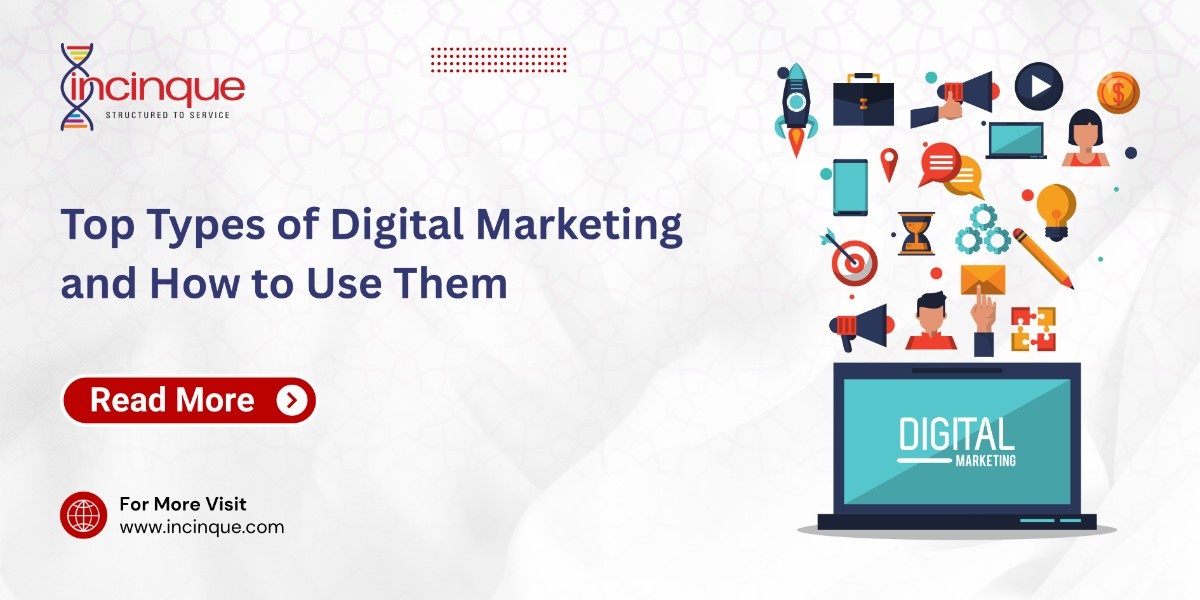

Top Types of Digital Marketing and How to Use Them

A laptop with various digital marketing icons—such as a rocket, briefcase, megaphone, and target—floating above it, representing the diverse channels used in modern marketing.

The digital world is expanding more quickly than ever, and with it, so is the audience communication strategy used by brands. Businesses need to be visible in the right place at the right time in an environment where customers spend hours scrolling, searching, and discovering online. At that point, digital marketing becomes essential rather than merely a tactic.


Knowing the many forms of digital marketing enables you to develop more intelligent campaigns that successfully reach, engage, and convert clients, whether you’re a company founder, an agency owner, or just looking for new methods to expand online.


Let’s dissect everything in a straightforward and practical manner.


Why Knowing Digital Marketing Types Matters

Imagine spending money on marketing but not knowing which channels are most effective. That is what a lot of companies do. The strengths of various channels vary; some generate leads, some raise awareness, and some convert rapidly. You can better allocate your budget, increase ROI, and take advantage of growth prospects when you comprehend them.


Studies from HubSpot show that businesses using multiple marketing channels perform better in engagement, conversion, and long-term retention compared to those relying on a single medium.


In summary, the more strategic your blend, the better your outcomes will be.

Top Types of Digital Marketing & How to Use Them

The most popular and successful digital marketing strategies available today are listed below, along with advice on how to use them effectively.


1. Search Engine Optimization (SEO)

Your website will rank higher in Google search results thanks to SEO. Customers cannot purchase from you if they are unable to locate you online. You may regularly generate free organic traffic with the correct keywords, website optimization, and high-quality content.

How to use SEO:

  • Optimize pages with relevant keywords
  • Improve page speed and mobile-friendliness
  • Publish informative blogs regularly
  • Build quality backlinks

Best for: Organic traffic, long-term brand growth, trust building.

2. Content Marketing

Your audience is educated by your content before they make a purchase. You may establish your business as an authority while attracting users organically with the use of blogs, videos, eBooks, and tutorials.

How to use it:

  • Publish helpful and solution-driven blog posts
  • Create short video content for social media
  • Share tips, tutorials, and educational posts
  • Offer valuable resources like eBooks or checklists

Best for: Lead generation, brand authority, awareness.

3. Social Media Marketing

On social media, people shop, research, and follow companies they love in addition to interacting with one another. Social media sites like YouTube, Facebook, Instagram, and LinkedIn may humanize your company and start genuine dialogues.

How to use it:

  • Share engaging posts consistently (reels, tips, stories)
  • Run ads to reach your target audience
  • Use trendy formats to boost visibility
  • Interact through polls, comments & lives

Best for: Community building, brand presence, engagement.

4. Email Marketing

Remains one of the channels with the best ROI. Through customized messages, email marketing enables you to nurture leads, retarget clients, and forge lasting bonds.

How to use it:

  • Offer newsletters, welcome emails, offers
  • Automate drip campaigns for lead nurturing
  • Personalize based on user behavior

Best for: Retention, remarketing, customer loyalty.

5. Pay-Per-Click Advertising (PPC)

Do you want traffic to your website right away? PPC advertisements provide quick visibility. It is measurable and cost-effective because you only pay when someone clicks.

How to use it:

  • Run Google or Meta ads for targeted traffic
  • Use strong call-to-action lines
  • Test multiple creatives and audiences
  • Track conversions to optimize performance

Best for: Quick leads, product launches, sales campaigns.

6. Affiliate Marketing

Allow people to offer your goods, and only give them a commission when a transaction is made. Scalable exposure and no set ad expense.

How to use it:

  • Partner with bloggers, influencers & publishers
  • Provide affiliate links and creatives
  • Track sales through affiliate dashboards

Best for: eCommerce brands, passive revenue expansion.

7. Influencer Marketing

Influence is in the hands of creators. Because consumers relate to genuine faces more than advertisements, working with influencers accelerates the development of trust.

How to use it:

  • Choose influencers whose audience fits your niche
  • Run product demos, reviews, unboxings
  • Provide personalized discount codes

Best for: Brand credibility, quick awareness, sales.

How Incinque Helps You Choose the Right Mix

Using every channel is not the goal of digital marketing; rather, it is about strategically utilizing the appropriate ones. To create a marketing strategy that truly works, Incinque examines your company’s objectives, target market, and financial constraints.


We assist brands in developing strategies that generate leads, conversions, and revenue growth—with actual, measurable outcomes—from SEO and content to social media advertising and automation.

Conclusion

Opportunities abound in the world of digital marketing. You go from speculating to developing once you comprehend how each technique functions and how to use it. There is a strategy tailored to your objectives, whether they have high sales, website traffic, or brand exposure.


Start investigating these channels, keep trying new things, and improve the ones that work. Additionally, Incinque can help you scale more intelligently if you need advice from professionals who understand the science underlying digital growth.

shape
Our Clientele

Trusted by Leading Brands