I N C I N Q U E

Loading

Remote Video Editing Jobs: Launch Your Creative Career in 2026

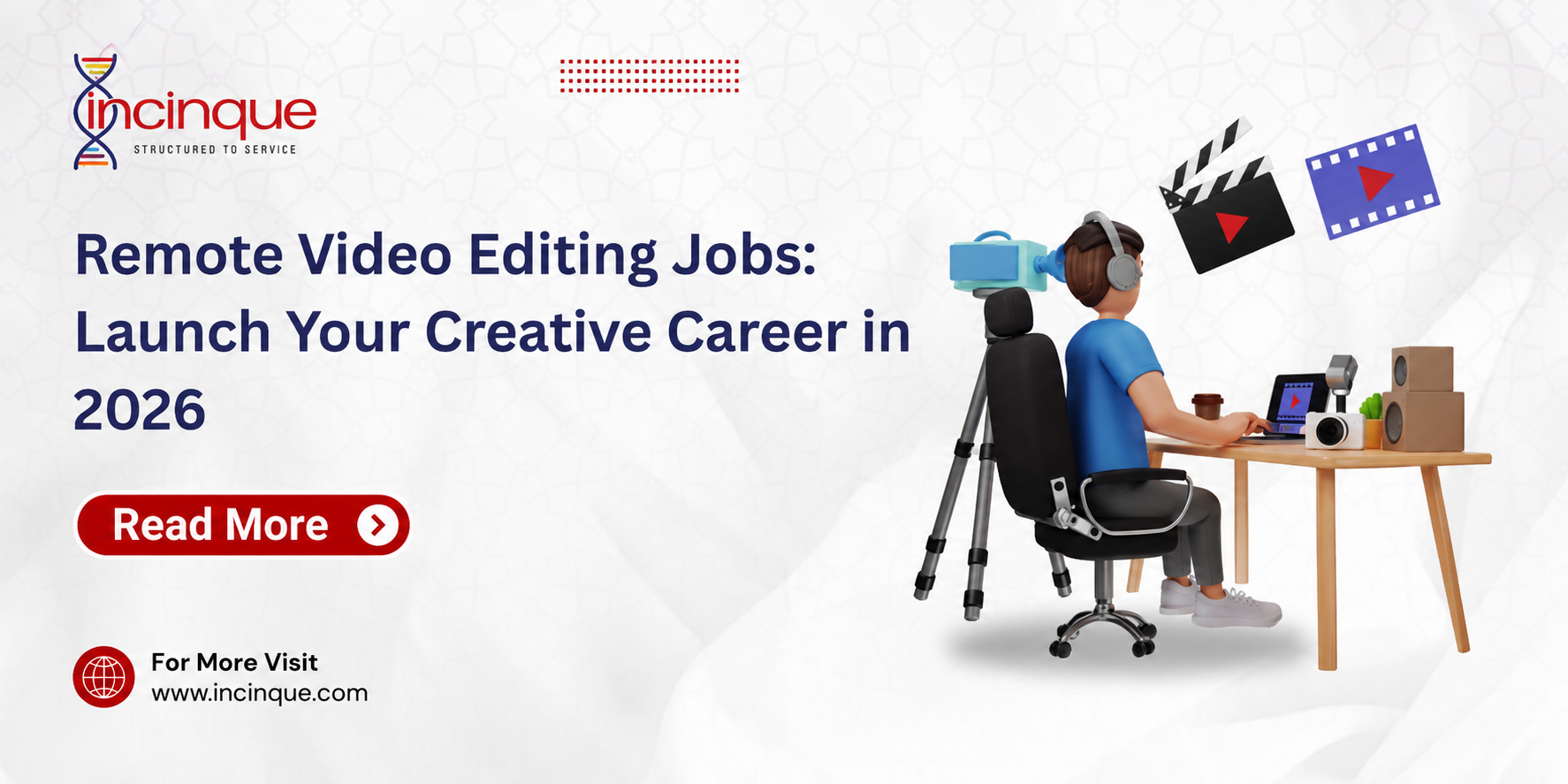
Remote video editing jobs banner with a 3D editor working at a computer and the text "Launch Your Creative Career in 2026

Why Remote Video Editing Jobs Are Rising Fast in 2026

With video content growing rapidly across YouTube, Instagram, and businesses moving fully digital, remote video editing jobs are becoming a go-to choice for many creatives.

You don’t need an office, a fancy setup, or even a degree — just a reliable laptop, some editing skills, and a creative spark. Even better, these jobs offer full flexibility and let you work with clients worldwide. That’s why so many people are turning to this exciting, work-from-home career.

Want to build your digital skills too?

What Are Remote Video Editing Jobs Exactly?

In a remote video editing role, you take uncut video clips and turn them into polished, professional-looking content. You’ll be adding:

  • Music and sound

  • Transitions and effects

  • Text overlays

  • Graphics and animation

  • Trimming and sequencing

These videos might be used for:

  •  YouTube content

  •  Online courses

  •  Company advertisements

  •  Social media reels

And the best part? You can do all of this work from home, a co-working space, or even while traveling — as long as you meet deadlines.

Where to Find Remote Video Editing Jobs Online

Top Trusted Platforms to Begin Your Search:

  • Upwork – Great for finding long-term clients

  • Fiverr – Beginner-friendly, fast-task projects

  • PeoplePerHour – Creative freelance gigs

  • Indeed – Browse verified remote editing roles

  • Motion Array – A hub for creative professionals

Pro Tip: Update your LinkedIn profile and keep checking LinkedIn Jobs for new remote roles.

Must-Have Skills for Remote Video Editing Jobs

To stand out, you don’t need a college degree — but you do need the right skill set. Here’s what you should focus on:

  • Proficiency in tools like Adobe Premiere Pro, Final Cut Pro, or DaVinci Resolve

  • Creativity in visual storytelling

  • Basic audio editing and transitions

  •  Strong time management and communication skills

 You can develop most of these skills for free through YouTube tutorials.

How to Start Your Remote Video Editing Journey

Getting started may feel overwhelming, but it’s easier than you think. Follow these steps:

  1. Build a Portfolio – Offer to edit videos for friends, students, or local businesses for free or a small fee.

  2. Create Profiles – Join platforms like Upwork and Fiverr with a clear bio and sample work.

  3. Join Communities – Participate in groups or freelancer Facebook groups.

  4. Stay Consistent – Apply to jobs regularly, learn from feedback, and keep upgrading your skills.

Why Remote Video Editing Jobs Are Totally Worth It

There are many reasons why more people are jumping into this creative career:

✅ Work from anywhere, anytime
✅ Choose projects you’re passionate about
✅ Set your own rates and schedule
✅ Avoid long commutes and office stress
✅ Grow your income by building a global client base

Whether you’re a student, a career switcher, or a stay-at-home parent, remote video editing offers the freedom and opportunity you’ve been looking for.

Wrapping Up: Take the First Step Today

If you love working with videos and want a creative career with flexibility, This could be your perfect fit. Remote video editing jobs are more than just a trend—they’re a powerful shift in how creative professionals work. Whether you’re a freelancer, a budding editor, or an experienced professional seeking flexibility, the remote landscape offers endless opportunities. With the right skills, portfolio, and platforms, you can collaborate with global clients, tell impactful visual stories, and build a rewarding career from the comfort of your own space. Embrace the tools, keep learning, and let your creativity shine—no matter where you are in the world.

You don’t need to have it all figured out on day one. Start with what you have, learn as you go, and in time, you’ll build a portfolio and client list that speaks for itself.Incinque – Structured to Service

Content Creation Agencies: Boost Brand Visibility and Engagement

An illustration featuring a content creator on a screen surrounded by social media engagement icons and a megaphone, symbolizing agencies that enhance brand presence.

The Role of Content in Business Success

Content is the voice of your brand. In today’s digital world, businesses without a solid content strategy often fall behind. Content creation agencies help brands craft meaningful, engaging, and results-driven content across platforms.

From blog writing and video scripts to social media captions and SEO content, these agencies transform how your brand communicates.


What Do Content Devlopment Agencies Actually Do?

1. Strategy Development

They analyze your audience and goals, then build a content plan aligned with your brand identity and marketing strategy.

2. Content Production

Agencies create blogs, videos, social posts, emails, and more tailored to your tone and message.

3. SEO Optimization

They improve your search engine visibility using keywords, metadata, internal links, and structure.

Example: Check out how HubSpot uses SEO-driven content to grow.


Why Hire Content Creation Agencies?

Save Time and Resources

Let experts handle content while your team focuses on core tasks.

Consistent, Professional Quality

Receive polished content that matches your brand voice and builds trust.

Scalable Content Marketing

Need five blogs or fifty? Agencies scale production without compromising quality.


Types of Content Offered by Content Creation Agencies

Blog Articles & Website Copy

SEO-optimized pages that drive traffic and improve visibility.

Social Media Content

Captions, carousels, reels, and more to connect with your audience.

Video Scripts & Infographics

Engaging visual content that simplifies complex ideas.

Explore our portfolio to see how content performs across industries.


How to Choose the Right Content Development Agency

Check Their Portfolio

Review their past work to ensure it fits your tone, goals, and industry.

Understand Their Process

Ask about strategy, research, editing, and content performance tracking.

Ask About SEO Capabilities

Do they include keyword mapping, optimization, and analytics reporting?


Common Mistakes to Avoid

Content creation agencies play a key role in helping brands maintain consistency and quality across all platforms. Many businesses now rely on such agencies to scale their marketing efforts and produce engaging, on-brand content efficiently.

  • Not giving clear briefs
  • Expecting overnight results
  • Ignoring performance data
  • Not reviewing or giving feedback on content

Remember: Your input is just as important as the agency’s output.


Final Thoughts: Content Creation Agencies as Growth Partners

Content agencies aren’t just vendors—they’re strategic partners. The right agency helps you tell better stories, reach more people, and build long-term audience trust.

Start today find a partner that understands your vision and creates content that delivers results.


Helpful Resources:


Top Advantages of Email Marketing Every Business Should Know

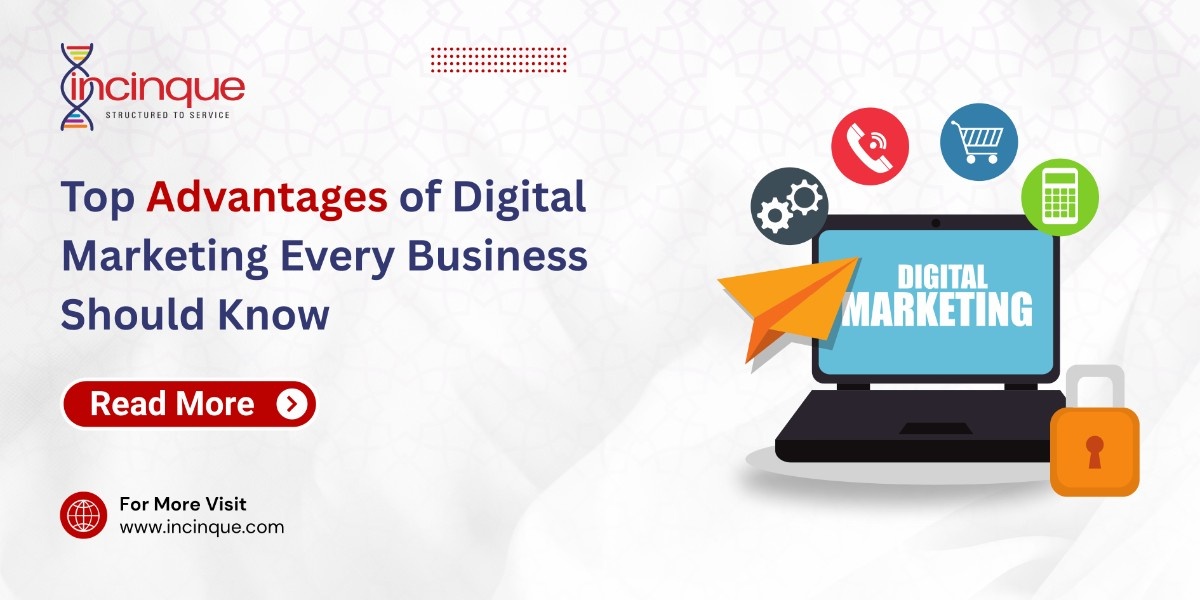
A laptop displaying "DIGITAL MARKETING" on the screen, surrounded by icons for communication, e-commerce, calculations, and security to symbolize comprehensive digital services.

 Why It Still Wins: A Quick Look

Email marketing continues to be one of the most powerful tools in a digital marketer’s toolkit even in a world where social media and paid ads dominate. Whether you’re a startup or an established brand, electronic marketing offers direct, cost-effective, and personalized communication with your audience. Its ability to drive engagement, build trust, and deliver measurable results makes electronic marketing an essential part of any successful digital marketing strategy.

Top Benefits of Email Marketing

1. High ROI with Electronic Marketing

One of the most compelling advantages of electronic marketing is its exceptional return on investment.
According to HubSpot, for every $1 spent on electronic marketing, businesses can expect an average return of $36.

Platforms like Mailchimp make it easy to build, automate, and track successful campaigns.

2. Personalized and Direct User Engagement

Email marketing enables you to create highly targeted communication. Using segmentation and automation, you can send messages based on individual preferences, shopping behavior, and demographics.
This personalized approach boosts both engagement and conversions.

3. Builds Long-Term Customer Relationships

Unlike short-lived ads, email marketing fosters consistent engagement over time.
From weekly newsletters to exclusive offers, email helps humanize your brand and build trust.

Consistency through email builds customer loyalty and keeps your business top-of-mind.

4. Measurable and Optimizable Results

Another strength of electronic marketing is its measurability.
You can easily track:

  • Open rates
  • Click-throughs
  • Conversions

These insights allow for ongoing improvement. Digital Marketing – Incinque offers customized Email advertising  services to help you scale results with data-backed decisions.

5. Seamless Integration of Email Marketing with Other Digital Channels

Email advertising fits perfectly into a broader digital strategy. It complements:

  • Social media campaigns
  • Blog content
  • Paid advertising

Conclusion: Why You Shouldn’t Ignore Email Marketing

To wrap up, electronic marketing isn’t just about sending newsletters it’s about driving business growth through:
– Personalized communication
– Data-driven performance
– Long-term brand building
– Seamless integration across channels

Whether you’re launching your first campaign or leveling up, electronic marketing is a channel that consistently delivers.

How to Generate Backlinks Effectively: Proven Strategies for Better SEO

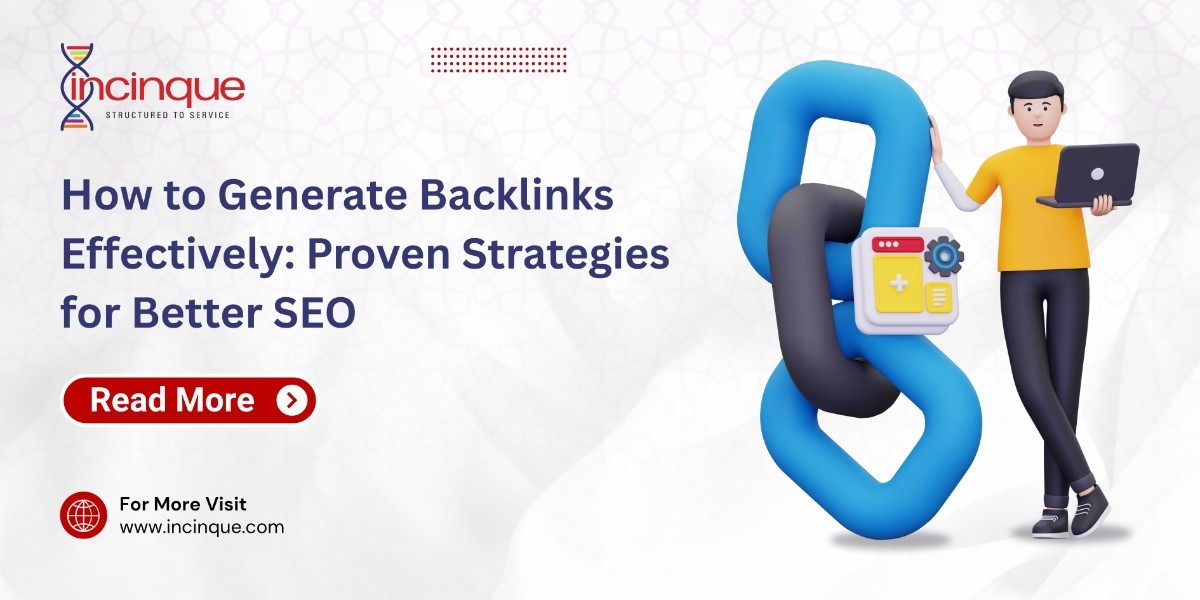
A 3D illustration of a person holding a laptop and leaning against a large interlocking chain icon, representing the importance of building backlinks for SEO authority.

Building Backlinks Effectively: A Complete Guide to SEO Success

If you’re serious about ranking higher on Google, then building backlinks effectively is a must. Backlinks, also known as inbound links, are like digital endorsements. When a trusted website links to yours, it signals to search engines that your content is valuable and authoritative.

But it’s not about just getting any backlinks it’s about building backlinks effectively through quality, relevance, and smart strategy. In this guide, we’ll cover actionable steps, tools, and tips to do just that.

Why Building Backlinks Effectively Matters for SEO

Search engines like Google treat backlinks as a trust signal. The more reputable sites that link to your content, the more likely you are to appear higher in search results.

  • Spammy links can hurt your ranking
  • High-authority, niche-relevant links can skyrocket it

That’s why building backlinks effectively is about working smart not hard.

Step 1: Create Content That Naturally Attracts Links

The first rule to generate backlinks effectively is to offer content others actually want to link to. Focus on:

  • Long-form, informative guides
  • Data-driven infographics
  • Case studies or original research
  • Free tools or templates

Example: HubSpot’s Marketing Statistics Page consistently earns backlinks due to its depth and usefulness.

Step 2: Smart Guest Posting for Authoritative Links

Guest blogging remains a powerful method for building backlinks effectively, but only when done with purpose:

  • Target sites within your industry
  • Offer value with high-quality content
  • Include contextual backlinks (not forced)

Note: Avoid spammy directories or generic blogs. Google penalizes low-quality link schemes.

Step 3: Use Outreach and Digital PR Tactics

To generate backlinks effectively involves outreach:

  • Use platforms like HARO (Help A Reporter Out)
  • Pitch journalists and bloggers with original content
  • Share infographics, stats, or tips

Tips for emails:

  • Short and personalized
  • Clear on value
  • Open to collaboration

Step 4: Partner with Backlink Experts Like Incinque

Manual outreach takes time.  Incinque – Structured to Service  specialize in building backlinks effectively through:
  • Ethical link placements
  • Niche-relevant sites
  • Compliance with Google’s algorithms

Whether you’re a startup or a growing brand, they can strengthen your backlink profile strategically.

Step 5: Monitor and Optimize Your Backlink Profile

Don’t just build measure:

Track:

  • Broken or lost links
  • Anchor text distribution
  • Competitor backlinks

Conclusion: Focus on Quality, Not Just Quantity

To sum up, generate backlinks effectively is essential for SEO success. But it’s not about shortcuts—it’s about consistency, quality, and smart strategy.

Recap:

  • Create linkable content
  • Guest post smartly
  • Leverage outreach & PR
  • Use services like Incinque
  • Analyze and optimize regularly


Freight Billing Errors Are Costing Your Business More Than You Think

Freight Invoice Audit Services: Improve Billing Accuracy and Reduce Costs

Ask a freight broker how their billing is going and most will say “fine.” Ask them to pull up the last quarter’s disputed invoices, short-pays, and rebilled loads, and the picture often looks different.


Billing errors in freight are rarely dramatic. They’re small, a wrong rate here, a missing accessory charge there, a duplicate invoice that slips through. But freight runs on volume, and small errors at volume add up to numbers that genuinely affect the bottom line.

What Freight Billing Errors Actually Look Like in Freight Brokerage Operations

  • Rate discrepancies: The rate confirmed with the carrier doesn’t match what’s invoiced to the shipper, sometimes because of a data entry mistake, sometimes because of a miscommunication during booking that never got corrected in the system.
  • Missing accessorials: Detention, layover, fuel surcharges, lumper fees, these get negotiated verbally or via text and don’t always make it into the invoice. The carrier expects payment for them; the shipper isn’t billed for them. Someone absorbs that gap, and it’s usually the brokerage.
  • Duplicate billing: A load gets invoiced twice, once manually and once through an automated process, or once by two different team members who didn’t realize the other had already handled it.
  • Incorrect weight or mileage calculations: When rates are calculated per mile or per hundredweight, small errors in the underlying numbers compound across every invoice using that calculation.
  • Unbilled loads: Loads that were delivered, confirmed, and never invoiced at all, sitting in a gap between operations and accounting, generating zero revenue until someone notices.

The Direct and Indirect Costs of Freight Billing Errors

Industry estimates for freight billing error rates typically fall between 5% and 10% of total invoices having some kind of discrepancy. For a brokerage processing $2 million a month in freight, even a conservative 3% error rate in missed charges represents significant monthly revenue leakage.


Not all of that revenue is permanently lost, some gets caught and corrected. But the time spent catching and correcting it is itself a cost, and a meaningful percentage of errors never get caught at all.


Cash flow delays create another issue. Shippers don’t usually pay invoices with discrepancies until everything is resolved, which slows down receivables and creates pressure on working capital.


Carrier relationships also suffer. When carriers repeatedly deal with payment disputes caused by billing mistakes, trust erodes quickly. Reliable carriers remember which brokers create unnecessary payment problems.


Every disputed invoice also requires manual work, reviewing rate confirmations, PODs, carrier communication, and invoice details. That’s skilled staff time spent fixing preventable issues instead of generating new revenue.

Why Freight Billing Errors Keep Happening Across Logistics Teams

The root cause is usually the same: billing information passes through too many hands and too many systems without a single source of truth. A rate gets negotiated by phone, entered into a spreadsheet, re-entered into the TMS, and later pulled into an invoice. Every handoff creates another opportunity for something to get missed or entered incorrectly.


The companies that reduce billing errors successfully aren’t always the ones with the most advanced software. They’re the ones with disciplined processes, consistent documentation, centralized records, and invoice review steps before billing goes out.

Incinque Business Solutions: Freight Billing Done Right

At Incinque Business Solutions, our logistics support team handles freight billing and invoicing for US brokers and 3PLs, reconciling rates against confirmations, catching accessorials before invoices go out, and following up on unbilled loads before they fall through the cracks.


We understand freight billing because we’ve built our team around it. If freight billing errors are quietly costing your business revenue, delaying cash flow, or damaging carrier relationships, Incinque Business Solutions can help you create a cleaner and more reliable billing process.

Sponsored Ads: Drive Instant Traffic and Maximize Your ROI

A 3D illustration featuring a smartphone, a message bubble, and a golden dollar coin, symbolizing paid advertising campaigns aimed at generating traffic and return on investment.

Why Sponsored Ads Are a Smart Move for Modern Businesses

Let’s face it building a strong online presence takes time. But what if you could speed up the process and reach your ideal audience in just a few clicks? That’s exactly what paid ads (also known as Pay-Per-Click or PPC advertising) offer. When executed correctly, they’re powerful and effective. Here’s why the advantages of paid promotions is must in your digital strategy.

The Real Power of Paid Ads (And Why They Work)

While SEO is essential for long-term visibility, sponsored ads act like a switch your brand becomes instantly visible. Whether launching a product or targeting new markets, these ads place your message in front of the right audience, right away.

Immediate Traffic = Instant Attention

The biggest appeal? Speed. Unlike organic strategies that take time, sponsored ads begin working the moment your campaign goes live.

Platforms like Google Ads and Microsoft Advertising place your brand at the top of search results. In just hours, customers are visiting your site, discovering services, and making purchases.

That’s the real power of paid ads they’re fast, focused, and effective.

Target the Right People  Not Just Anyone

Imagine your ads only reaching those actively searching for what you offer. That’s what paid ads  make possible. You can target users by:

  • Search keywords
  • Geographic location
  • Age, interests, or job roles
  • Time of day and device used

This precision ensures your budget reaches engaged, high-intent users, not random traffic.

Track Every Click and Conversion

A major benefit of sponsored ads is full transparency. Tools like Google Analytics and Looker Studio provide deep insights into your ad performance.

You can track:

  • Impressions
  • Click-through rates
  • User behavior
  • Conversion and sales

This data allows you to pause poor performers and scale the successful ones.

Control Your Budget with No Surprises

With paid ads, you’re in control. Set a daily/monthly limit, pause campaigns anytime, or increase spending when results improve.

Ideal for small businesses and startups, this flexibility ensures you only pay when users click making each penny count.

They Enhance Your Entire Digital Strategy

Sponsored ads do more than drive traffic. They support your complete digital presence. For example:

  • Running a blog? Use ads to bring in targeted readers.
  • Testing keywords? Use ad data to fine-tune SEO.
  • Promoting a video? Launch an ad campaign to increase views.

These ads amplify your brand visibility and conversions across channels.

How to Maximize Sponsored Ad Performance

Getting started is easy. Getting results takes planning. Here’s how to boost your ROI:

  • Research keywords using tools like Ubersuggest or SEMrush
  • Write audience-focused, compelling ad copy
  • Use dedicated landing pages not just your homepage
  • Apply negative keywords to reduce waste
  • Test, track, and optimize continuously

Refining your campaigns improves both performance and returns.

Conclusion: Sponsored Ads Deliver Results

If you’ve hesitated about trying PPC, this is your sign. These Ads offer speed, visibility, control, and measurable results.

From generating traffic and leads to enhancing your entire marketing strategy, they work for businesses at any stage.

If you’re looking to grow your online visibility quickly, PPC advertising is a powerful option. Companies like  Digital Marketing – Incinque  offer PPC services to help businesses reach the right audience through targeted ads on search engines and social media platforms.

Start small. Test. Learn. Optimize. Soon, you’ll see why they’re a top performer in digital marketing today.

How BPO Companies Handle Data Security and Client Confidentiality

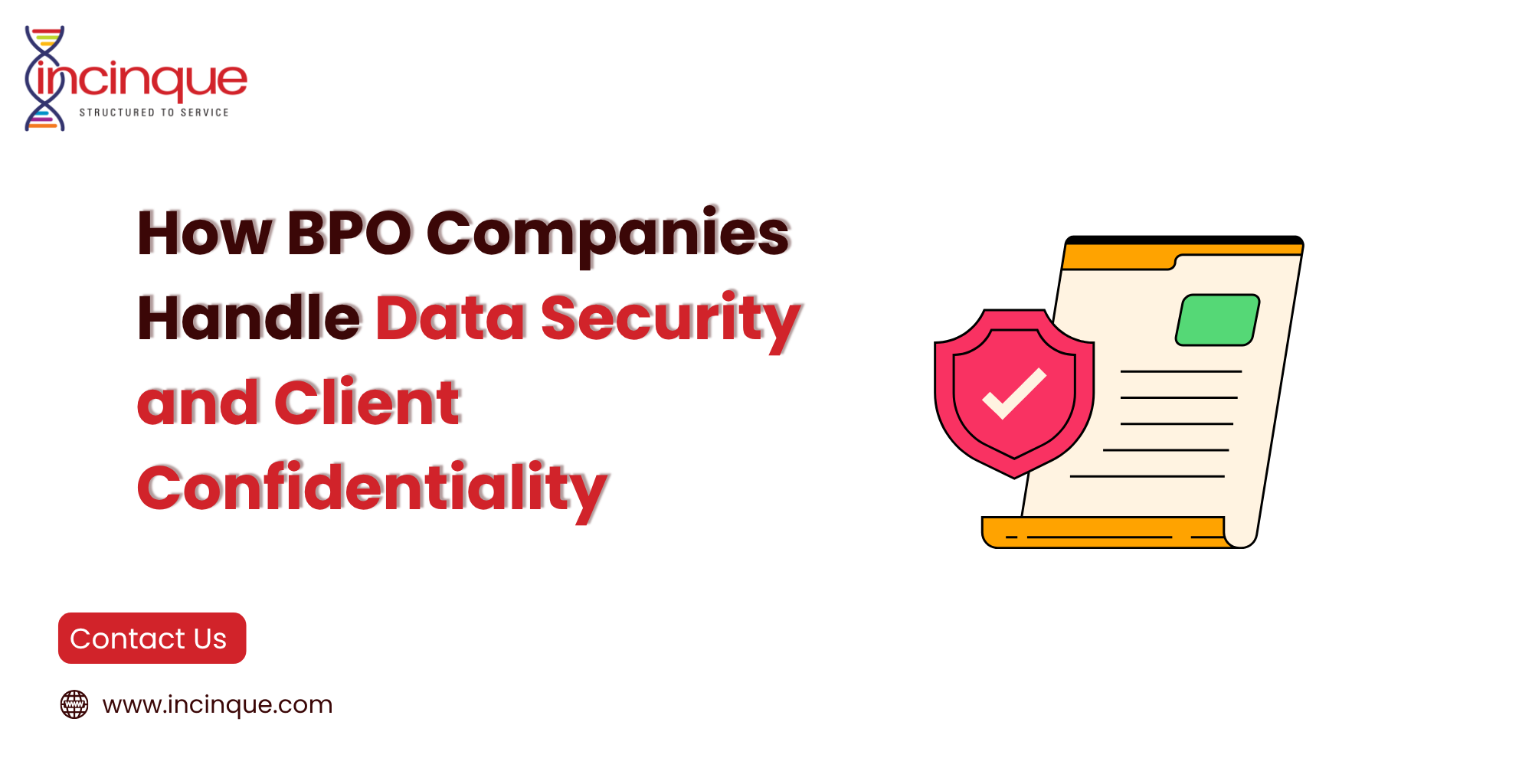
BPO data security banner with a shield and document illustration highlighting client confidentiality.

The moment a business considers outsourcing, one question comes up faster than almost any other: what happens to our data?

It’s a fair concern. Outsourcing means sharing access to customer records, financial data, internal systems, sometimes even proprietary business processes. For any company that’s spent years building trust with its customers, handing that information to an external team feels like a significant leap.

The good news is that established BPO companies treat data security as a core operational requirement, not an afterthought. Here’s what responsible data handling actually looks like in practice.

Non-Disclosure Agreements: The Legal Foundation

Before any engagement begins, a serious BPO partner puts an NDA in place. This isn’t a formality, it’s a legally enforceable document that defines exactly what constitutes confidential information, what the vendor can and cannot do with it, and what the consequences are for any breach.

A well-drafted NDA in a BPO context covers data shared during onboarding, customer information the team accesses during operations, any proprietary processes or systems the client uses, and post-engagement obligations, meaning the vendor can’t use or retain your data after the contract ends.

If a BPO company resists a detailed NDA or pushes back on specific confidentiality provisions, that tells you something important about how seriously they take this.

Access Controls: Limiting Who Can See What

One of the most practical security measures is also one of the most overlooked: role-based access control. Not every agent needs access to every piece of client data. A good BPO operation structures access so that each team member can only see the information relevant to their specific function.

A logistics coordinator doesn’t need access to billing records. A customer service agent handling general inquiries doesn’t need to see financial account details. Compartmentalising access limits the damage if any individual account is ever compromised, and significantly reduces the risk of internal data leaks.

System access is typically managed through secure credentials, multi-factor authentication, and session logging so there’s always a record of who accessed what and when.

Data Handling Protocols During Operations

How data moves through a BPO operation matters as much as who has access to it. Responsible vendors use encrypted data transfer for anything shared between client systems and their own, restrict the use of personal devices for work that involves client data, and prohibit screenshots, downloads, or external storage of sensitive information unless explicitly authorised.

Call centre and customer service environments often go further, restricting mobile phones on the floor, using clean-desk policies, and deploying software that prevents data from being copied or transferred outside authorised channels.

Compliance Frameworks and Certifications

For clients in regulated industries for e.g, healthcare, finance, legal — compliance isn’t optional. BPO partners working with these sectors need to demonstrate compliance with relevant frameworks: HIPAA for healthcare data, GDPR for European customer data, PCI-DSS for payment processing, and ISO 27001 for broader information security management.

Certifications matter here. An ISO 27001-certified BPO has gone through an independent audit of its security management systems, that’s a different level of assurance than a company that simply says “we take security seriously.”

What to Ask Before You Sign

A few questions worth putting to any prospective BPO partner before committing: Where is client data stored, and who has physical access to those servers? What is your incident response process if a data breach occurs? Can you provide references from clients in similarly regulated industries? What happens to our data when the engagement ends?

The answers tell you whether data security is genuinely embedded in how they operate, or whether it’s just language on a pitch deck.

Incinque Business Solutions: Security-First Outsourcing

At Incinque Business Solutions, data security and client confidentiality are built into every engagement from day one, not bolted on after the fact. We operate under strict NDAs, role-based access controls, and documented data handling protocols across all service lines. Our clients across logistics, customer service, recruitment, and digital marketing trust us with sensitive operational data, and we treat that trust as the foundation the relationship is built on. If you’re evaluating BPO partners and want to understand exactly how we protect your data, reach out, we’re happy to walk through the specifics.

Custom Website Development: Build Better, Smarter, Faster

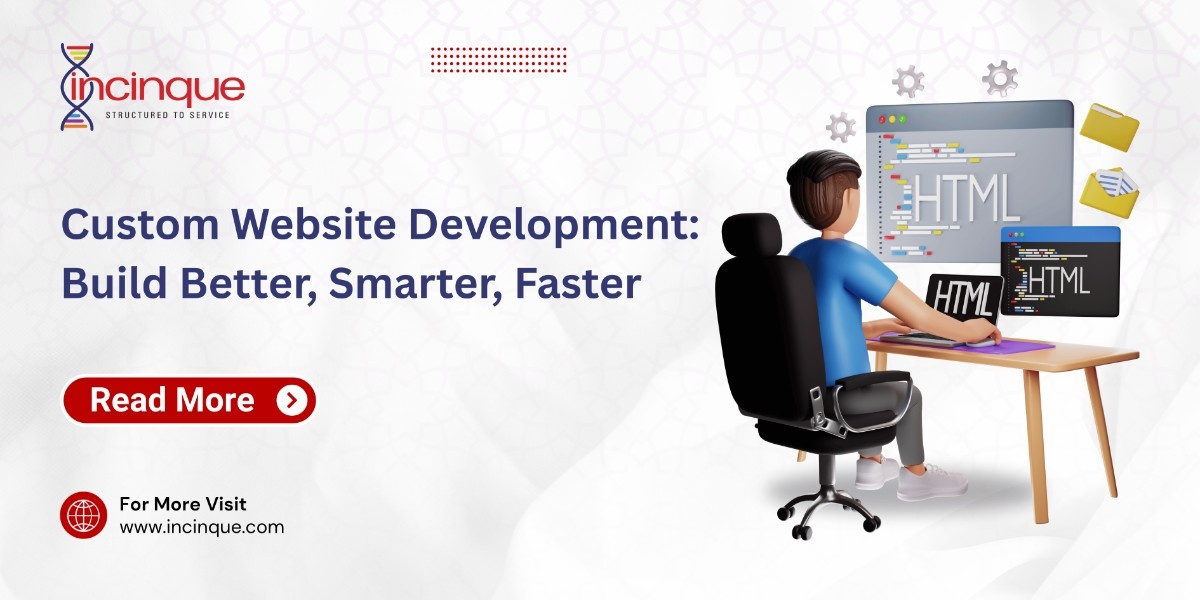
A 3D illustration of a developer working on a computer surrounded by multiple screens displaying HTML code, symbolizing custom web development services.

Why Tailored Web Design Matters in Today’s Digital World

In today’s digital world, your website is more than just a place online it’s your business’s first impression, your brand’s voice, and a tool for growth. That’s why custom website development is becoming the go-to choice for businesses that want a site that does more than just look good.

Rather than using pre-made templates or drag-and-drop builders, custom development creates a website from the ground up designed specifically around your goals, audience, and business model.

Need a website that truly represents your brand? contact@incinque.com to craft custom, high-performance websites that stand out and grow with your business.

What Is Custom Website Development?

Tailored website development  means building a website completely tailored to your brand. Everything from design and layout to features and functionality is planned and created to fit your exact needs.

Unlike off-the-shelf themes, which limit design and performance, custom websites give you total freedom. Developers follow best practices like the W3C web standards to ensure your site is accessible, reliable, and ready for the future.

Design That Matches Your Brand

Your brand has its own voice your website should reflect that. With custom development, you choose every detail: layout, color scheme, typography, animations, and imagery.

This approach avoids the “template look” and helps your business stand out. Whether you’re a local service provider or a fast-scaling tech startup, your website will feel like a true extension of your brand identity.

Performance and Functionality Built In

A major benefit of custom website development is performance. You can build exactly what your business needs nothing more, nothing less .It can be measured through-https://analytics.google.com/

Want to add

  • A client portal?

  • A custom booking system?

  • Integration with your CRM or payment gateway?

Custom websites make that possible. And with clean, optimized code, your site will load faster and offer a better user experience both critical for higher search rankings, as confirmed by Google PageSpeed Insights.

SEO and Growth-Ready from Day One

Many template-based sites are bloated with unnecessary code, which can slow down performance and hurt SEO. A custom website allows you to:

  • Build a clean HTML/CSS structure

  • Optimize for mobile and desktop

  • Use custom meta tags and schema

  • Tailor keyword-optimized content blocks

This SEO-ready foundation gives your website a competitive edge. Even Moz recommends setting up proper SEO architecture during the early stages of your web strategy.

Greater Security and Long-Term Support with Tailored website development

Templates often rely on third-party plugins, which can introduce vulnerabilities if not maintained. With custom website development, you minimize those risks.

You’ll have more control over security features like:

  • Encrypted databases

  • Secure user authentication

  • Custom-built firewalls

  • Fewer plugin dependencies

This means better data protection and fewer performance hiccups, especially as your website scales.

Is Custom Website Development Right for You?

Custom development is ideal if:

  • Your business requires specific features or functionality

  • You want full control over design and brand experience

  • You’re planning to scale or evolve your services over time

If your website is meant to generate leads, manage bookings, or offer unique user experiences, then custom development is worth the investment.

Conclusion: Your Business Deserves a Tailored Website Devlopment

While a custom website may take more time and investment up front, the long-term rewards are clear. You gain a secure, high-performing, and scalable online platform that reflects your brand and drives real results.

With custom website development, you’re not just building a website you’re building a powerful, future-ready digital presence that works for your business.

Voice vs. Non-Voice Support: Choosing the Right Channel Mix for Your Business

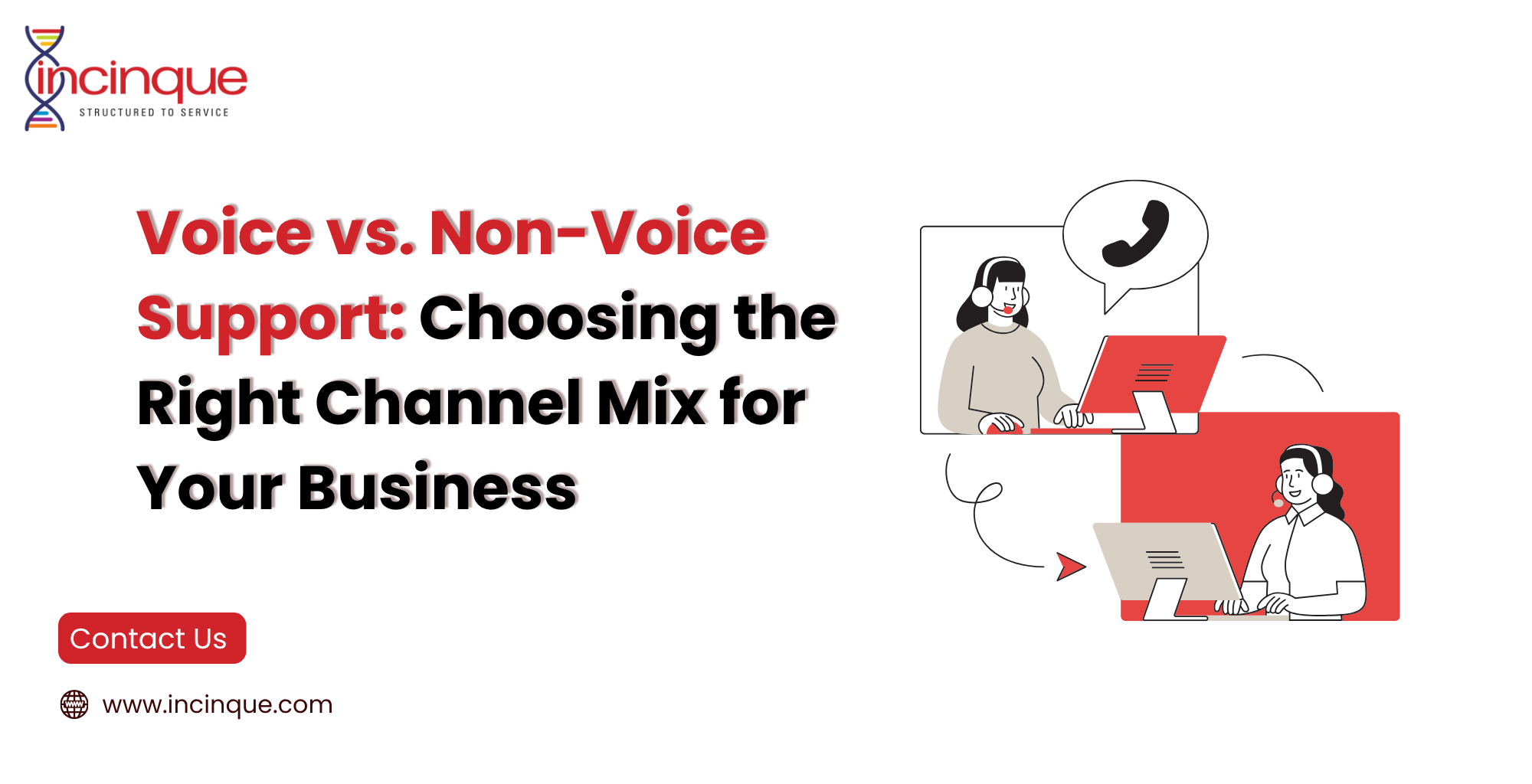
Customer support banner comparing voice and non-voice support with call center agents using headsets and computers.

Every business reaches a point where “just have them call us” stops being a complete answer. Customers are contacting you through too many different places, expecting too many different things, and your support team can only handle so much before something slips.


The voice vs. non-voice conversation comes up at that point, and it usually starts with someone saying “can’t we just do chat instead of calls?” The honest answer is more nuanced than yes or no.

What Voice Support Actually Is (and Isn’t)

Voice support means phone calls. A customer calls, a human answers, the issue gets discussed and ideally resolved in real time.


It’s immediate. It handles complex situations well, the ones where typing out a problem would take ten minutes but explaining it takes two. It’s also what many customers default to when they’re frustrated, because there’s something about speaking to a person that email and chat can’t fully replicate.

The limitations are real too. Phone support doesn’t scale cheaply. Each call requires one agent’s full attention for its entire duration. There’s no parallel handling, one agent, one call. Peak volume periods create queues, and queues create unhappy customers before anyone’s even spoken to them.


For businesses dealing with high-stakes situations, financial disputes, medical queries, escalated complaints, voice support is often non-negotiable. The customer needs to feel heard, and that requires a conversation.

What Non-Voice Support Covers

Non-voice support includes email, live chat, SMS, WhatsApp, social media DMs, and any channel that doesn’t involve a real-time verbal exchange.


The advantages are significant. A single agent can manage three to five live chat conversations simultaneously. Email support allows agents to research, verify, and draft careful responses without the pressure of a live call. WhatsApp has become the default support channel for enormous segments of the Indian market. Social DMs matter for brands with active social presence because public complaints, handled well, are visible to everyone.


Non-voice also creates a natural paper trail. Every interaction is documented without effort, which matters for follow-ups, audits, and quality reviews.

The limitation is handling complexity. A technical issue that takes two back-and-forth emails to explain is costing more time than a five-minute call would. Tone is also harder to read, a frustrated customer on chat can escalate quickly when they feel like they’re talking to a bot or a script.

The Real Question: What Do Your Customers Actually Use?

This is where most businesses go wrong. They design their channel mix around what’s convenient to operate rather than what customers naturally reach for.


A 65-year-old calling about a utility bill issue is not going to use live chat. A 28-year-old with a software query isn’t going to pick up the phone if there’s a chat option. A business buyer with a complex service complaint needs a phone call, not a ticket number.


Your customer profile determines your channel mix, not the other way around. The data you need to look at: what channel do inbound contacts currently arrive through? Where do resolution rates drop? Where are response times lagging? Those numbers tell you what’s working and what isn’t.

The Case for a Blended Model

Most businesses land on a blended approach, and for good reason. Voice handles the complex, emotional, and high-value interactions. Non-voice handles the high-volume, transactional, and asynchronous ones. The two aren’t in competition; they’re covering different parts of the same customer journey.


The mistake is running them as separate functions that don’t talk to each other. A customer who called yesterday and now sends an email expects whoever answers to know the history. If your voice and non-voice teams operate in silos, that expectation goes unmet, repeatedly.


Integration between channels, shared access to interaction history, and consistent training across both functions are what make a blended model work. Without those three things, you have multiple channels but not a coherent support operation.

Build the Right Support Mix with Incinque Business Solutions

At Incinque Business Solutions, we design and deliver blended customer support operations, voice and non-voice, for businesses that need both done well. Our agents are trained across channels, briefed on your products and tone, and set up to handle the full range of your customer interactions. Whether you need to add phone coverage, scale your chat support, or integrate both into a single operation, we build around what your customers actually need. Let’s talk about what the right mix looks like for your business.

How to Rank on Google: Steps That Actually Work

An illustration of a person using a magnifying glass to examine a search ranking results page, symbolizing SEO analysis and optimization efforts.

Why Knowing How to Rank on Google Matters in Today’s Digital World

In today’s digital world, ways to rank on Google is essential for any website or business. Whether you’re a small business owner or a digital marketer, appearing on the first page of search results can transform your online presence. But how exactly do you rank on Google? Let’s break it down into simple, actionable steps.


Understanding Google’s Algorithm

To rank on Google, your content must align with what users are searching for. Google’s algorithm is designed to display the most relevant, helpful content based on user intent. Therefore, quality and relevance are non-negotiable.

Moreover, keyword research plays a crucial role. Tools like Ahrefs’ Keyword Explorer and Moz’s On-Page SEO Guide help identify what your audience is searching for. Using your main keyphrase how to rank on Google naturally throughout your content can significantly boost your visibility.

Use tools like Google Keyword Planner to research high-volume keywords relevant to your business.


On-Page SEO: Build a Strong Foundation on How to Rank on Google


Optimize Titles and Meta Descriptions

Using your keyphrase in the SEO title, meta description, and slug helps Google understand your page’s topic. For instance, this blog uses the phrase “how to rank on Google”.

Add Headings and Subheadings

Clear H2 and H3 tags break your content into scannable sections. Each should include related keywords to support your main focus.

Use Internal and External Links

Always link to relevant pages within your site internal links and credible outside sources . For example, Ahrefs offers excellent tools for discovering keyword opportunities.


Need help ranking on Google? Digital Marketing – Incinque  provide seo services or view Boost Your Online Reach with Effective SEO blog on incinques’s  page which will give you realted information.  


Technical SEO: Don’t Ignore the Backend

While content drives your rankings, the technical side must be solid too. Here’s what to focus on:

  • Mobile-friendliness: Google prioritizes mobile-optimized sites.
  • Fast loading speed: Compress images and use caching plugins.
  • Secure connection: Use HTTPS to gain user and Google trust.

Quality Content Strategy: The Key on how to Rank on Google Long-Term

Creating high-quality content consistently is the most effective strategy. But what makes content “quality”? Here’s what you need:

  • Useful information that answers user questions
  • Clear formatting with bullet points and short paragraphs
  • Engaging visuals, like images, infographics, or videos

The more your content satisfies search intent, the better your chances to rank on Google.


Conclusion: Ranking on Google Is a Journey, Not a One-Time Task

If you’re wondering how this will happen, remember it takes time, consistency, and the right tactics. From on-page optimization to producing valuable content, each element plays a role.

By applying these strategies and constantly refining your efforts, ranking on Google becomes more achievable even in competitive niches. Keep learning, keep testing, and success will follow.

shape
Our Clientele

Trusted by Leading Brands