I N C I N Q U E

Loading

The Real 2026 Guide to Turning Email Leads into Paying Customers

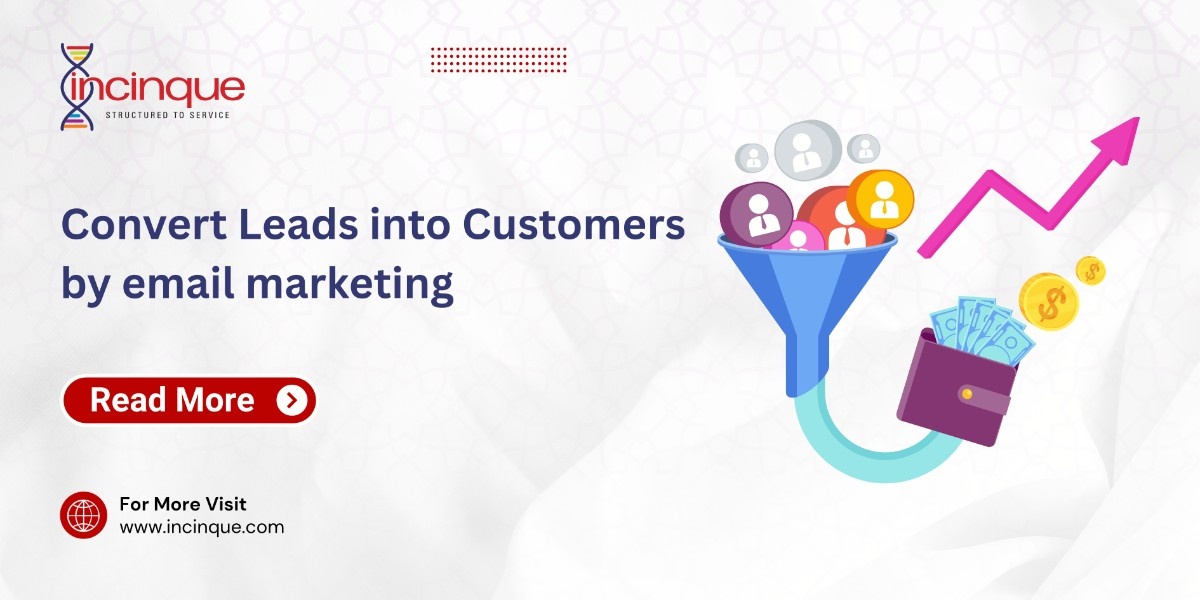
An infographic of a sales funnel channeling diverse user icons directly into a wallet filled with money, alongside an upward-pointing growth arrow to represent email marketing conversions.

In 2026, businesses are investing heavily in strategies that help convert leads into customers in a predictable and scalable way. Among all digital channels, email marketing for lead conversion continues to deliver the highest return because it offers direct access to an engaged audience.

Unlike social platforms that rely on algorithms, email marketing for businesses provides full control over communication. However, success today depends on having a clear email marketing conversion strategy that focuses on relevance, timing, and relationship building rather than volume.

The Modern Email Marketing Funnel

The traditional funnel has evolved into a more flexible email marketing funnel designed around real buyer behavior. Prospects no longer move linearly from awareness to purchase. They explore, pause, compare options, and return when the need becomes urgent.

Effective funnels begin with a strong lead magnet and move into lead nurturing through email marketing. During this phase, the goal is to remove friction and guide prospects using helpful, informative customer journey emails.

A well-structured email lead nurturing sequence answers common questions, addresses objections, and builds confidence. When executed correctly, it becomes one of the most reliable lead conversion techniques available.

Personalization and Segmentation for Higher Conversions

One of the fastest ways to increase email conversion rate is through email segmentation. Generic messaging no longer works for customer conversion through email.

Using email list segmentation, businesses can deliver targeted email messaging based on:

  • Lead source and intent
  • Engagement history
  • Website activity and downloads

Behavior-based emails triggered by actions such as visiting pricing pages or opening specific content allow brands to send personalized email campaigns that feel relevant and timely. This approach strengthens customer relationship building and improves long-term engagement.

Writing Conversion-Focused Email Content

Strong conversion-focused email content is clear, concise, and designed for action. Whether the goal is to nurture leads with email marketing or close a sale, the message must focus on outcomes rather than features.

High-performing sales emails that convert include:

  • Clear subject lines that highlight value
  • Openings that address a real pain point
  • Messaging that positions the solution as the next logical step
  • Simple and effective email call-to-action strategies

Using one focused CTA helps guide prospects smoothly toward the next stage of the funnel and supports email marketing for sales growth.

Scaling Results with Automation and Drip Campaigns

To consistently turn prospects into customers, businesses rely on email marketing automation. Automation enables timely communication without manual effort and ensures no lead is missed.

Automated email workflows and email drip campaigns allow brands to deliver the right message at the right time. These sequences often include:

  • Resource delivery emails
  • Brand positioning emails
  • Trust-building content and social proof
  • Objection-handling messages
  • Time-sensitive offers when appropriate

Automation plays a key role in executing email campaigns for lead conversion at scale.

Email Follow-Up Strategies That Drive Conversions

Many prospects do not convert during the first interaction. This is where strong email follow-up strategies make a measurable difference.

Long-term nurturing helps maintain visibility and trust. By sharing educational content, insights, and updates, businesses continue to engage leads until they are ready to take action. These email engagement strategies ensure the brand remains top of mind.

When follow-ups are structured correctly, how to convert leads using email marketing becomes a repeatable and measurable process.

Optimizing Email Marketing for Mobile and AI

In 2026, most emails will be read on mobile devices or summarized by AI assistants. To support this shift, emails must load quickly and communicate value instantly.

Key optimization practices include:

  • Lightweight design for fast loading
  • Clear hierarchy for easy scanning
  • CTAs and value propositions that remain clear even when summarized

These improvements support effective email sequences to convert prospects across all devices and platforms.

Final Thoughts

Successful email marketing for lead conversion is not about sending more emails. It is about sending the right emails with purpose and relevance.

By implementing a step-by-step email marketing funnel for conversions, businesses can build trust, nurture relationships, and drive consistent sales. When email strategies focus on value and clarity, email marketing helps convert leads into customers naturally and sustainably.

With the right approach, email becomes more than a marketing channel. It becomes a long-term growth engine that supports customer loyalty and measurable business success well beyond 2026.

Digital Marketing Strategies for High-Quality Lead Generation

Digital Marketing Strategies That Actually Drive Leads.

In today’s competitive online marketplace, simply having a website and social media presence is no longer enough to stand out. Digital marketing strategies must be implemented with a clear purpose: generating high-quality leads. This is the primary goal of digital marketing for business – whether you are a startup, a service provider, or an established brand.

When executed correctly, these strategies provide a proven framework for attracting qualified prospects, improving conversions, and accelerating business growth.

Build a Strong Foundation with SEO

One of the most reliable long-term lead generation strategies is Search Engine Optimization (SEO). When potential customers actively search for your services, ranking on Google places your brand in front of ready-to-convert users.

Effective SEO for lead generation includes:

  • Keyword-focused content aligned with search intent
  • Optimized page speed and mobile usability
  • Local SEO for location-based searches
  • Clear and compelling CTAs on high-ranking pages

SEO is especially effective for businesses looking to generate leads online without relying entirely on paid advertising.

Content Marketing That Solves Real Problems

Content marketing for leads is not about publishing blogs for volume – it is about answering real customer questions and solving real problems.

High-performing content formats include:

  • In-depth blog posts
  • Case studies and success stories
  • Guides, checklists, and comparisons
  • FAQs and problem–solution articles

When supported by smart internal linking and lead magnets, content becomes a powerful online marketing strategy that attracts, educates, and converts prospects.

Conversion Focused Website & Landing Pages

Driving traffic has no value if visitors do not convert. A conversion-optimized website is essential for successful lead generation.

Key elements that improve conversions:

  • Clear value propositions
  • Simple forms with minimal fields
  • Trust signals (reviews, testimonials, certifications)
  • Fast-loading, mobile-friendly design

For small businesses, improving conversion rates is often more cost-effective than increasing ad spend.

Social Media Marketing with a Lead Objective

Social media marketing for leads requires more than visibility – it requires funnel-driven strategy. Platforms like Instagram, LinkedIn, and Facebook perform best when content is designed to move users toward conversion.

Effective tactics include:

  • Educational reels and carousel posts
  • Lead form advertisements
  • DM automation for inquiries
  • Retargeting website visitors

When aligned with brand messaging, social media becomes a revenue-driving channel, not just an engagement tool.

Google Ads for Immediate Lead Generation

For faster results, Google Ads lead generation is one of the most direct methods available. Search ads target high-intent users, making them ideal for service-based businesses.

Best practices:

  • Focus on high-intent keywords
  • Use location and call extensions
  • Send traffic to dedicated landing pages
  • Track conversions, not just clicks

Paid ads work best when combined with organic digital marketing strategies for sustainable growth.

Use Data to Refine Your Strategy

Modern marketing success depends on data-driven decisions. Tracking user behavior helps identify which strategies generate real leads.

Important metrics to monitor:

  • Traffic sources
  • Conversion rates
  • Cost per lead
  • User engagement and bounce rate

Data optimization transforms average campaigns into high-performing digital marketing systems.

Combine Multiple Channels for Better Results

The best results come from a multi-channel digital marketing approach:

  • SEO brings organic traffic
  • Content builds trust
  • Social media nurtures engagement
  • Ads accelerate conversions

This integrated strategy ensures consistent and sustainable lead generation online.

Conclusion

Effective digital marketing strategies focus on understanding user intent and guiding prospects through the right channels. From SEO for lead generation and content marketing for leads to paid campaigns and conversion-focused marketing, each tactic plays a critical role in attracting and nurturing quality leads.

By aligning organic and paid efforts, businesses achieve sustainable growth, higher conversions, and measurable ROI.

Incinque specializes in implementing data-driven digital marketing solutions that turn visibility into real, measurable leads.

Why Demand Generation Feels Different in Tech and SaaS

Two business professionals in suits discussing a digital strategy on a tablet outside an office building.

B2B tech buyers don’t make impulse decisions. They ask hard questions. They want proof. They want to know how a solution fits into their existing systems, their workflows, and their future plans.


Traditional lead generation often falls short here. It might bring in names, but not always readiness. Effective B2B demand generation strategies are designed to support buyers through uncertainty, not rush them past it.


When done well, demand generation helps companies stay present during long buying cycles – and stay credible.

Start With a Clear Picture of Who You’re Really Talking To

One of the most common mistakes in demand generation for tech companies is trying to speak to everyone at once. The result is messaging that feels broad, safe, and forgettable.


The strongest strategies start with clarity. Who is this really for? What kind of company? What stage are they in? What problem are they actively trying to solve?


Segmentation based on industry, company size, tech maturity, and role makes messaging sharper. And when messaging feels relevant, people pay attention.

Education Builds Demand Better Than Promotion

In SaaS especially, buyers are tired of being sold to. They want to understand. They want context. They want to feel informed before they engage.


That’s why content plays such a central role in demand generation for SaaS companies. Blogs, guides, case studies, webinars – these aren’t just marketing assets. They’re decision-support tools.


The best content answers questions buyers haven’t even fully articulated yet. It explains trade-offs. It acknowledges complexity. And it builds confidence without pushing for a quick yes.

Distribution Matters as Much as Creation

Great content doesn’t work if it stays hidden. Strong B2B SaaS demand generation relies on being visible in the right places, consistently.


Search plays a role. LinkedIn matters. Email still works when it’s thoughtful. Retargeting helps maintain familiarity. The goal isn’t to overwhelm prospects—it’s to be present when they’re ready to engage.


Repeated exposure builds familiarity. Familiarity builds trust.

Sales and Marketing Can’t Operate in Silos

Demand generation breaks down quickly when marketing and sales aren’t aligned. Marketing might think it’s doing its job. Sales might disagree. The buyer feels the disconnect immediately.


Successful demand generation strategies for B2B bring both teams into the same conversation early. What does a qualified lead really look like? What questions do prospects ask on sales calls? Where do deals tend to stall?

When feedback flows both ways, messaging improves – and so does conversion.

Account-Based Marketing Adds Focus Where It Matters Most

For many tech and SaaS companies, growth doesn’t come from volume. It comes from the right accounts. That’s where account-based marketing fits naturally into demand generation.


ABM allows teams to slow down, personalize, and engage thoughtfully with high-value accounts. In complex sales environments, this approach often delivers far more impact than broad outreach.


It’s a focused extension of demand generation for tech companies, not a replacement for it.

Nurturing Is Where Trust Actually Builds

Most buyers aren’t ready the first time they engage. And that’s okay. Effective demand generation for SaaS companies respects timing.


Nurture programs – through email, content, and retargeting – keep conversations alive without pressure. They help buyers move forward at their own pace while staying connected to the brand.


When the moment is right, the relationship already exists.

Measure Impact, Not Just Activity

Clicks and downloads are easy to track. Revenue impact is harder—but far more meaningful. Mature B2B demand generation strategies focus on pipeline contribution, deal velocity, and influence on closed revenue.

These metrics tell a clearer story about what’s actually working.

Common Pitfalls That Hold Demand Generation Back

Many companies struggle because they:

  • Chase short-term leads instead of long-term engagement
  • Rely on a single channel
  • Talk too much about features and not enough about problems
  • Stop nurturing too early

Avoiding these traps often leads to immediate improvements.

Final Thoughts

Demand generation isn’t a campaign. It’s a mindset. For B2B tech and SaaS companies, it’s about showing up consistently, educating thoughtfully, and supporting buyers through complex decisions.


Strong demand generation strategies for B2B, especially in B2B SaaS demand generation and broader demand generation for tech companies, create something more valuable than leads. They create momentum, trust, and a pipeline that grows steadily instead of unpredictably.


And in markets where buyers have endless options, that trust is often what makes the difference.

Why Growing Businesses Outsource B2B Appointment Setting Services

A B2B appointment setting professional talking on a headset and using a laptop to schedule client meetings.

Growth is exciting-but it also exposes cracks. What worked when a company was smaller often starts to feel strained once pipelines expand and expectations rise. Sales teams feel it first. Calendars fill up, outreach gets inconsistent, and suddenly highly skilled salespeople are spending more time chasing responses than having real conversations.


This is usually when businesses start rethinking how appointments are set. Not because something is broken, but because it no longer scales. That’s where B2B appointment setting services come into the picture-not as a shortcut, but as a smarter way to protect focus and momentum.

When Sales Teams Get Pulled in Too Many Directions

In many growing companies, sales teams wear too many hats. One moment they’re closing deals. Next, they’re digging through lead lists, sending follow-up emails, or trying to reach someone who hasn’t responded in weeks.


Over time, this creates friction. Outreach becomes rushed. Follow-ups slip. Opportunities that could have turned into real conversations quietly disappear. It’s not a performance issue-it’s a capacity one.


That’s why businesses begin exploring appointment setting services. The goal isn’t to offload responsibility. It’s to make sure the right work is happening at the right stage of the sales process.

What Appointment Setting Really Looks Like in Practice

A good appointment setting isn’t about booking meetings for the sake of numbers. It’s about starting the right conversations. That means researching prospects, understanding who actually has decision-making authority, and knowing when interest is genuine versus polite curiosity.


Professional sales appointment setting services spend time doing exactly that. They reach out, listen, qualify, and only then schedule meetings that make sense. When a sales rep joins the call, they’re not starting cold—they’re stepping into a conversation that’s already been warmed up.

Why Many Businesses Choose to Outsource This Function

One of the first realizations companies have is how much time this work really takes. Consistent outreach requires patience, follow-through, and focus. Internal teams often struggle to maintain that rhythm alongside their core responsibilities.


When businesses outsource appointment setting services, they gain consistency almost immediately. Outreach doesn’t stop when priorities shift internally. Follow-ups don’t depend on spare time. The process keeps moving, even when internal teams are busy closing deals.

The Value of Specialists Who Do This Every Day

Appointment setting looks simple from the outside, but it’s a skill. Knowing how to handle objections, how to keep conversations natural, and how to engage busy decision-makers takes practice.


This is where appointment setting answering services add value. These teams are trained specifically for outreach and qualification. They know how to navigate gatekeepers, adjust messaging mid-call, and keep conversations professional without sounding scripted.


That experience shows up in better conversations-not just more calls.

Faster Pipelines Without Rushing the Process

Growing businesses often want results quickly, but speed without structure leads to poor outcomes. Outsourced teams already have systems, workflows, and tools in place. There’s no long onboarding curve, no trial-and-error phase.


That’s why lead generation and appointment setting services often help businesses build pipelines faster-without sacrificing quality. Conversations happen sooner. Meetings get booked more consistently. Sales teams feel the difference.

Focusing on Lead Quality, Not Just Volume

A common worry with outsourcing is quality. No one wants a calendar full of unqualified meetings. Strong lead generation appointment setting services understand this concern and work closely with clients to define what “qualified” actually means.


Industry fit, company size, real pain points, and readiness to talk—all of these matter. When qualification is done properly, sales conversations feel more productive and less forced.

Predictable Costs, Fewer Hiring Headaches

Building an internal team for appointment setting comes with long-term costs-salaries, benefits, training, and management time. Outsourcing shifts this into a more predictable model.


For many businesses, outsourced appointment setting services offer flexibility. Teams can scale outreach up or down without restructuring internally, which is especially valuable during growth phases or market shifts.

Supporting Modern, Multi-Channel Outreach

Decision-makers don’t live on one channel anymore. Calls alone aren’t enough. Emails, LinkedIn messages, and thoughtful follow-ups all play a role.


Many B2B lead generation and appointment setting services combine these approaches naturally. The result feels less intrusive and more like a series of well-timed touchpoints rather than aggressive outreach.

Clearing Up Common Misunderstandings

Outsourcing appointment setting doesn’t mean losing control of messaging or brand voice. In fact, the best partnerships are highly collaborative. Messaging is refined together. Feedback flows both ways.


When done right, outsourcing doesn’t distance a company from its prospects-it creates better first impressions.

Knowing When It’s Time to Outsource

Most businesses reach this point naturally. Sales teams are busy. Lead volume is growing. Expansion plans are on the table. Internal hiring feels slow or risky.


At that stage, outsourcing appointment setting isn’t a workaround-it’s a strategic move that supports sustainable growth.

Final Thoughts

Outsourcing B2B appointment setting services helps growing businesses protect their sales teams’ time, improve lead quality, and keep pipelines moving steadily. From focused appointment setting answering services to full lead generation and appointment setting services, the value lies in consistency, clarity, and focus.


It’s not about handing over responsibility. It’s about building a sales engine where everyone is working on what they do best-and where growth feels manageable instead of overwhelming.

15 Common Challenges Solved by an IT Recruitment Agency

A B2B appointment setting professional talking on a headset and using a laptop to schedule client meetings.

Why Hiring IT Talent Feels Harder Than It Should

Hiring IT talent rarely follows a clean, predictable path. On paper, it looks manageable-define the role, post the job, interview, hire. In reality, things move much faster than that. Tech stacks change halfway through a project. A role that made sense three months ago suddenly needs a different skill set. And just when a promising candidate appears, they’re gone-pulled into another offer, another opportunity, another timeline you didn’t control.

Most companies feel this tension constantly. Teams are stretched. Projects are waiting. Growth plans are on hold because the right people haven’t landed yet.

This is usually the point where an IT recruitment agency stops being “just a vendor” and starts acting like a partner. Not by flooding inboxes with resumes, but by understanding why projects stall, why teams burn out, and why hiring feels harder than it should.

1. The Reality of the IT Talent Shortage

Everyone is looking for the same people at the same time-developers with real-world experience, cloud engineers who’ve handled production issues, cybersecurity professionals who know pressure firsthand. An IT recruitment agency doesn’t wait until a role opens to start searching. Relationships are built long before there’s urgency.

When roles stay open too long, the impact is immediate. Deadlines slip. Teams compensate. Momentum fades.

2. Hiring Cycles That Move Too Slowly

Technical hiring has a habit of dragging on. Interviews stretch out. Requirements change mid-process. Meanwhile, strong candidates move on. IT recruiting agencies shorten this cycle by screening and validating talent early.

Speed matters—but clarity matters more.

3. Unclear Technical Skill Evaluation

Many internal teams don’t have deep hands-on experience with every framework or tool they’re hiring for. IT staffing services bring structure to evaluations and reduce guesswork.

A wrong hire costs far more than taking time to assess properly.

4. High Turnover in IT Roles

People leave when roles don’t match expectations or growth stalls. Recruitment agencies look beyond resumes, focusing on environment, culture, and long-term alignment.

Retention often starts before day one.

5. Missing Passive, High-Quality Candidates

Some of the best professionals aren’t actively looking. They’re selective and open only to the right opportunity. IT recruiting agencies already know how to reach them through long-standing relationships.

That access changes hiring outcomes.

6. Scaling Teams Under Tight Deadlines

Product launches and system rollouts don’t wait. An IT contract staffing agency provides professionals who can step in quickly and contribute without long onboarding cycles.

Work moves forward-without long-term risk.

7. Rising Hiring Costs

Job ads, screening tools, and internal hours add up quickly. IT staffing services bring predictability to hiring costs, helping companies invest intentionally rather than reactively.

Hiring should support growth, not drain resources.

8. Compliance and Employment Complexity

Contract hires, remote teams, and global talent introduce legal and payroll challenges. IT contract staffing agencies handle these details quietly, reducing risk and administrative strain.

9. Hiring for Emerging and Niche Technologies

AI, DevOps, cloud-native platforms—these roles require specialized sourcing just to start the conversation. IT recruiting agencies stay close to market shifts so companies don’t fall behind.

Timing matters.

10. Too Many Unqualified Applicants

Public job postings often create noise instead of clarity. Recruitment agencies filter aggressively so hiring managers only review candidates who truly fit.

Better focus leads to better decisions.

11. Limited Internal Hiring Bandwidth

HR teams already carry multiple responsibilities. IT staffing services act as an extension of the internal team during high-volume or specialized hiring phases.

This keeps internal teams focused on strategy.

12. Project-Based and Temporary Hiring Needs

Not every role needs to be permanent. IT contract staffing agencies offer flexibility for short-term and project-based requirements.

Modern work demands adaptable hiring models.

13. Global Hiring Challenges

Remote work opens doors—but also complexity. Time zones, contracts, payroll, local regulations. Many IT recruiting agencies already have systems in place to manage this smoothly.

Access expands without friction.

14. Pressure to Move Faster

Delays in hiring delay everything else—product releases, innovation, growth. IT staffing services provide ready-to-deploy talent that keeps momentum intact.

15. Uncertainty in Workforce Planning

Markets change. Business priorities shift. IT recruitment agencies offer scalable hiring models that allow companies to adapt without locking themselves into rigid plans.

Agility becomes an advantage.

What to Look for in an IT Recruitment Agency

Not all agencies deliver the same value. The strongest ones typically offer:

  • Deep understanding of technology roles
  • Thoughtful, consistent screening
  • Strong compliance and contract support
  • Flexibility across permanent and contract staffing
  • Proven experience in similar industries

Choose fit and understanding over sheer speed—because a fast hire is worth little if it doesn’t stay.

If you’re unsure how to evaluate potential partners, a resource like How to Find Best IT Recruitment Company offers practical checks and tips to guide your selection.

Final Thoughts

IT hiring today is not a simple HR task. It directly shapes how a company competes, innovates, and delivers. The right IT recruiting agencies and IT staffing services do more than fill vacancies. They help reduce uncertainty, support scaling, and keep teams aligned with strategic priorities.

For insight into broader talent strategy and recruitment best practices, you might also find value in the guide on Mastering Talent Acquisition: A Guide to Recruitment Services – a complementary resource that speaks to overall best practices in recruitment.

Collaborating with experienced partners doesn’t just help you hire better—it helps you build teams that take your business forward with confidence and clarity.

Why Is Graphic Design Services Important for Every Brand in 2026

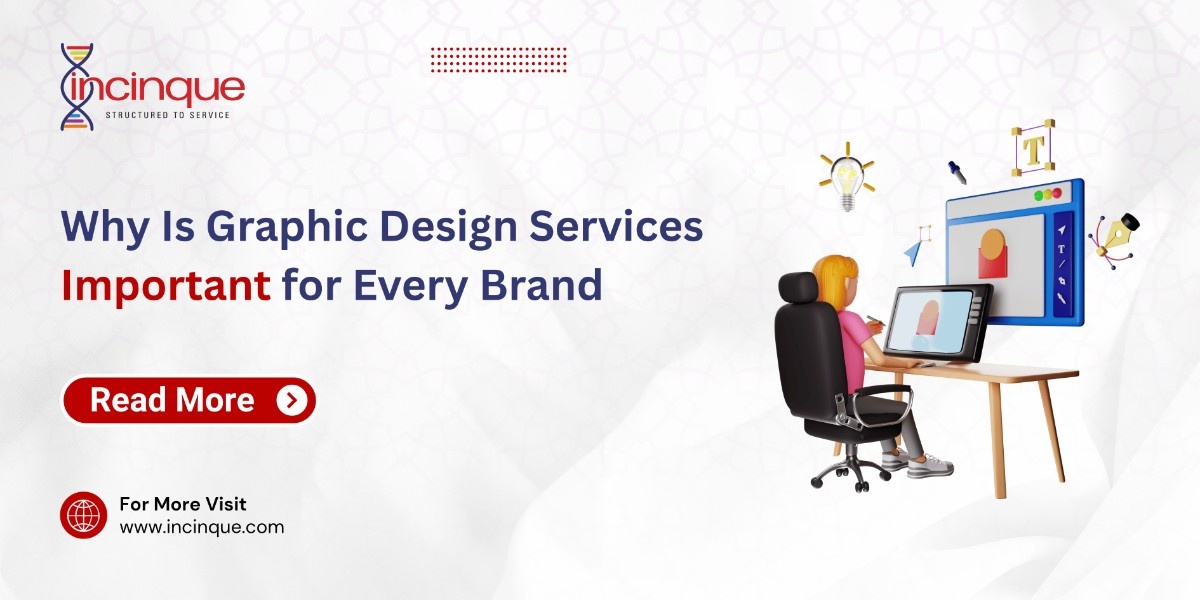
A 3D illustration featuring a designer at a workstation, surrounded by digital creative tools including light bulbs for ideas, text editors, and drawing pens to symbolize professional graphic design.

We’ve all seen it: a brilliant product buried under a clumsy, outdated logo, or a website that feels like it hasn’t been touched since the mid-2010s. By 2026, the digital world is louder, faster, and more crowded than ever. With AI-generated content flooding every feed, people’s eyes have become finely tuned—they can spot mediocrity in an instant and scroll past without a second thought.

If your goal is more than just “existing online,” your brand needs visuals that demand attention and respect. Investing in professional graphic design services, including Logo Design Services, isn’t optional anymore—it’s a survival strategy. A thoughtfully crafted logo can instantly convey your brand’s personality, credibility, and promise—before anyone even reads a single word. Let me walk you through why these services are now essential, drawing from years of working in the trenches of branding and design.

1. First Impressions Happen in a Blink

You don’t get seconds—you get milliseconds. Before a potential customer reads a word of your copy, they’ve already formed an opinion based solely on visuals. A clean, thoughtful layout tells them you’re serious, professional, and detail-oriented. I’ve seen clients lose leads simply because their landing page felt cluttered—even with the best product in the world.

2. Cutting Through the AI Noise

Yes, AI can generate images, but it can’t replicate the subtlety of a human designer. Witty nuance, irony, cultural context—these are things an algorithm usually misses. A seasoned graphic designer for website or brand assets knows how to embed personality, emotion, and strategy into every pixel.

3. Consistency Across Multi-Channel Marketing

Your brand doesn’t live in one place—it exists across TikTok, LinkedIn, email campaigns, and physical packaging. Multi-channel marketing only works if your visuals tell a unified story. A graphic design agency ensures your identity stays consistent whether it’s a 15-second reel, a newsletter, or a billboard. Inconsistency? It kills credibility.

4. Turning Visitors into Customers

Good design does more than look attractive—it guides behavior. Placement of CTAs, typography, and layout can subtly steer people along a journey, converting casual visitors into paying customers. Think of it as invisible hand-holding, leading them toward action.

5. Instant Trust

Would you hand over your credit card to a site that looks sketchy? Probably not. Fonts, whitespace, and professional imagery act as a quiet endorsement. Trust isn’t built with words alone; design speaks louder than any tagline.

6. Storytelling Without Words

Not everyone speaks the same language, but everyone understands visuals. A carefully crafted brand communicates your story—luxury, innovation, eco-consciousness—through color, shape, and composition. I’ve worked on campaigns where a single visual told the story of a brand better than a thousand words ever could.

7. SEO and Visual Search Boost

Search engines now prioritize original, custom visuals over generic stock photos. Investing in professional graphic design services isn’t just about people seeing your brand—it can boost your visibility in visual search results too.

8. Maximizing ROI on Marketing Spend

You can pour money into traffic, but if your ad doesn’t resonate visually, it’s wasted. Poor design drives up your cost per click, while a well-executed creative strategy ensures your campaigns actually convert.

9. Emotional Connection and Loyalty

People don’t just buy products—they buy experiences and feelings. The right color palette can evoke nostalgia, excitement, or calm. Design bridges the gap between a functional item and an emotional brand experience.

10. Accessibility and Dark Mode

By 2026, accessibility isn’t a bonus—it’s essential. Professional design ensures your content is legible across devices, works in dark mode, and is accessible to users with visual impairments. Inclusivity isn’t just ethical—it broadens your audience.

11. Simplifying Complexity

If your business involves complicated data or processes, visuals can simplify and clarify. Infographics and thoughtful layouts turn dense information into digestible, shareable content, establishing authority without overwhelming your audience.

12. Employee Pride and Alignment

Design matters internally too. Sleek presentations, polished business cards, and a cohesive office aesthetic boost morale. Teams naturally perform better when they feel proud of the brand they represent.

13. Communicating Sustainability

Consumers want transparency. Thoughtful design—think minimalist layouts, eco-friendly imagery, and intentional messaging—can communicate your sustainability efforts effectively, making your brand feel responsible and forward-thinking.

14. Staying Ahead of Trends

Design trends shift fast. What felt modern last year can feel dated today. A graphic design agency keeps your brand fresh with contemporary styles—Neo-Minimalism, Hyper-Realism—while preserving your unique identity.

15. Future-Proof Scalability

A well-crafted design system—style guides, UI kits, templates—makes growth seamless. Launching a new product? You don’t start from scratch; you follow your visual DNA, saving time and ensuring consistency.

The Bottom Line: Design Is Strategy, Not Decoration

Investing in graphic design services is investing in your brand’s future. It’s what separates a commodity from a premium brand—one that feels intentional, credible, and human.

If your visuals feel outdated, 2026 is the year to elevate. Whether you hire an in-house expert or partner with a graphic design agency, ensure your visual identity reflects the quality of what you’re selling. Start by auditing your touchpoints—if they don’t tell a cohesive story, it’s time for a change.

What is Software Project Management and Why It Matters in 2026

Incinque software project management team analyzing development workflows and charts on a smartboard.

If you’ve worked on even one software project in the last few years, you already know this truth: writing code is rarely the hardest part. The real challenge is turning a solid idea into something that actually ships on time, works as promised, and doesn’t unravel the moment real users get involved.

That’s where software project management quietly decides who wins and who disappears.

In 2025 and 2026, SPM isn’t a behind-the-scenes activity managed with spreadsheets and weekly calls. It has evolved into a core business function. With AI-assisted development, globally distributed teams, and markets that shift overnight, execution has become a competitive sport. The companies pulling ahead aren’t just hiring developers—they’re investing in strong project management services and clear Project Planning and Consulting from day one.

Whether you’re exploring project planning tools to regain control or working with consultants to define delivery processes, understanding modern SPM is no longer optional. It’s survival.

So, What Is Software Project Management—Really?

At its simplest, software project management is about guiding a product from concept to release without blowing timelines, budgets, or team morale. It’s planning, execution, tracking, and—most importantly—decision-making under uncertainty.

But software doesn’t behave like traditional projects. Progress isn’t always visible. Requirements evolve. One shortcut today can become technical debt that haunts you for years. That’s why many growing companies now rely on structured Project Planning and Consulting alongside internal teams to bring clarity before chaos sets in.

By 2026, effective SPM is less about control and more about alignment. The best project management software helps teams ensure developers aren’t just building features, but solving the right problems—the ones tied directly to business goals.

The Pillars Holding Modern SPM Together

Talk to any experienced delivery lead, and you’ll hear these lessons—usually learned the hard way.

Strong scope definition (and protection)

With AI capable of generating features in minutes, it’s tempting to keep adding “just one more thing.” Solid project management services help teams define boundaries early, so momentum isn’t quietly destroyed by endless additions.

Realistic resource planning

Good project planning tools make workloads visible. They help managers spot overload early, balance skills properly, and prevent burnout—something spreadsheets never did well.

Budgets grounded in reality

Cloud infrastructure, API usage, AI tooling, and specialized talent all carry real costs. Predictive costing—often guided by Project Planning and Consulting—keeps projects financially sustainable instead of reactive.

Quality built into the workflow

Modern project management tools integrate testing and reviews as part of daily work. Quality isn’t a final checkpoint—it’s continuous.

Risk awareness before damage control

From security gaps to shifting market demands, proactive risk management keeps timelines intact and trust intact.

Why Software Project Management Is the Real Differentiator

The software market has matured—and tolerance for delays and excuses has shrunk. Here’s why SPM now sits at the center of successful delivery.

1. Making Remote Teams Actually Function

The 9-to-5, single-office model is largely gone. Teams work across time zones and cultures. Without solid task management software acting as a shared source of truth, misalignment spreads fast. The best project management tools keep everyone working from the same playbook, even asynchronously.

2. Using AI Without Losing Control

AI can flag risks, predict delays, and suggest timelines—but without a management framework, those insights become noise. Structured project management services ensure AI supports human judgment instead of replacing it.

3. Adapting Quickly Without Creating Chaos

Markets shift at the speed of social media. Agile and Scrum allow teams to pivot, but without disciplined SPM, those pivots lead to messy codebases and confused teams. Structure enables speed—not the other way around.

Choosing Tools That Teams Will Actually Use

Here’s the reality many leaders learn late: the best project management software means nothing if your team avoids it.

Best Free Project Management Software for Lean Teams

For startups and small teams looking for free task management software with real value:

  • Trello – Simple, visual, and intuitive. Ideal for teams that think in workflows.
  • Asana (Free Tier) – Great for small teams that want structured lists, ownership, and light automation.
  • Jira (Free for Small Teams) – Built for software development, with strong integrations and flexibility.

Best Project Management Tools for Scaling Organizations

When complexity grows, so does the need for visibility:

  • Monday.com – Visual, customizable, and accessible for both technical and non-technical teams.
  • ClickUp – A popular all-in-one task management software that replaces multiple tools.
  • Wrike – Designed for large teams managing cross-functional work and detailed reporting.

Beyond Tools: The Human Side of Delivery

Even the best project management tools can’t fix poor communication or unclear ownership. The teams that succeed in 2026 prioritize:

  • Clear conversations over bloated documentation
  • Continuous feedback from real users
  • Transparency that reduces unnecessary status meetings

This is where experienced project management services and Project Planning and Consulting often make the biggest difference—not in tools, but in mindset.

Final Thoughts: Managing Progress in a Noisy Digital World

So, what is software project management today?

It’s the discipline of staying focused while everything around you changes. It’s the bridge between ambition and execution.

With the right project planning tools, proven frameworks, and thoughtful project management services, software delivery becomes predictable instead of painful. And as we move deeper into 2026, one thing is certain: complexity will only increase.

Strong project management doesn’t just help projects finish—it helps businesses endure.

Choosing the Right Digital Marketing Agency in 2026: A Small Business Reality Check

Incinque digital marketing team collaborating on a small business campaign strategy at a conference table.

If you’re running a small business in 2026, digital marketing probably feels less like an opportunity and more like a moving target. AI is everywhere. Cookies are disappearing. Every platform promises magic. And somehow, you’re expected to figure it all out while still running your business.

That’s why finding the best digital marketing agency for small business growth is no longer a cosmetic decision. It directly impacts revenue, visibility, and long-term survival. The right agency quietly compounds results. The wrong one drains time, money, and momentum.

Before You Hire Anyone, Get Honest With Yourself

Most agency relationships don’t fail because the agency is bad. They fail because expectations were never clear.

Before searching for the best digital marketing agency for small business, pause and define what you truly need right now. Not what sounds impressive—but what would actually change your business in the next 6 to 12 months.

Some companies need leads immediately. Others need trust and recognition in a crowded market. Some already have traffic but struggle with retention. This is where the difference between a performance-focused firm and a branding agency for small businesses becomes critical.

When businesses skip this step, they often hire capable agencies that simply aren’t right for their stage.

Let’s Talk About Budget (Without the Sales Talk)

Here’s an uncomfortable truth: in 2026, good marketing costs money—but bad marketing costs far more.

An affordable digital marketing agency for small business isn’t the cheapest option. It’s the one that understands return on investment. If the cost to acquire a customer is lower than what that customer is worth over time, the model works. Everything else is noise.

Most growing small businesses invest somewhere between 7% and 12% of revenue into marketing. That number can feel risky, especially if past efforts didn’t deliver. But the real risk is spending without strategy—or choosing an agency that avoids these conversations altogether.

The best partners don’t sell comfort. They sell clarity.

Match the Agency to the Actual Job

Not every agency excels at the same outcomes, and that’s where many decisions go wrong.

If your main objective is sales-driven growth, you need the best digital marketing agency for lead generation—one that understands intent, conversion paths, landing pages, and testing, not just traffic volume.

If your challenge is visibility or credibility, a best branding agency for small business needs to understand storytelling, positioning, and consistent visual identity across platforms. Brand growth doesn’t happen overnight, but when done right, it lowers acquisition costs long-term.

There’s no universal winner. The right choice depends on what problem you’re solving now.

What Actually Separates Good Agencies From Great Ones

By 2026, most agencies look polished online. The real difference shows up beneath the surface.

Industry-specific experience matters.

An agency familiar with your market, customers, and buying behavior will always outperform a generic firm. Ask for recent examples—strategies that worked in today’s algorithmic environment, not five years ago.

You should always own your data.

Any agency claiming to be the best digital marketing agency for small business will give you full access to ad accounts, analytics, and reporting dashboards. Real performance is tied to leads, conversions, and revenue—not impressions or likes.

Clear explanations beat complex reports.

If results can’t be explained simply, they’re probably not well understood.

Red Flags That Cost Businesses More Than Money

Some warning signs are subtle. Others are obvious.

Guaranteed rankings are a myth—especially with AI-driven search experiences constantly changing.

Pre-built “packages” offered without an audit usually signal shallow strategy.

Unclear pricing or bundled fees that hide ad spend often lead to trust issues later.

If an agency promises speed, certainty, and easy wins in a complex ecosystem, pause. Experienced professionals know growth takes structure and patience.

A Smarter Way to Choose the Right Partner

Instead of picking based on presentations, test how the agency thinks.

Ask for an initial audit and see whether they identify real gaps or just push services.

Ask how they handle privacy-first marketing and AI-driven automation. Vague answers here are a risk.

Clarify who you’ll speak with weekly. Many businesses meet senior experts once, then get handed off.

And finally, ask how they scale. Growth shouldn’t mean declining quality or ballooning costs.

What Real Results Actually Look Like

Digital marketing rarely delivers instant breakthroughs—but when done correctly, it compounds.

Paid campaigns can generate traction quickly. SEO, authority, and brand trust often take six to nine months to show meaningful returns. Any best digital marketing agency for small business will set those expectations early, not after contracts are signed.

Sustainable growth comes from balancing short-term wins with long-term equity.

The Shift That Successful Businesses Make

The most resilient small businesses in 2026 no longer view marketing as an expense. They see it as infrastructure.

Whether you’re working with a branding agency for small businesses or a performance-driven team, the right digital marketing agency operates like a growth partner—not a vendor. They align with your goals, respect your budget, and measure success by your bottom line.

When you choose transparency over hype and expertise over promises, marketing stops feeling like a gamble. It becomes a steady, reliable engine—built for growth that lasts.

How Digital Marketing and SEO Work for Small Businesses in India

Incinque team discussing digital marketing and SEO strategies for small businesses in India during a meeting.

Across India, the way people discover, evaluate, and choose businesses has quietly but permanently changed. A kirana store now shares daily offers on WhatsApp. A homegrown clothing brand sells nationwide through Instagram and a basic website. Even service-based businesses—clinics, consultants, repair services—are being judged online before a single phone call is made.

For most founders, the real challenge is not whether to go digital, but how to do it correctly without wasting money, time, or trust. Digital growth in India rewards clarity, patience, and relevance far more than flashy promises.

This guide breaks down what digital marketing actually means for Indian small businesses—and how to approach it with long-term thinking.

What Digital Marketing Looks Like on Indian Ground Reality

Digital Marketing for Small Businesses

In practice, a digital marketing business in India is not just running ads or posting on social media. Its real role is to connect your offline credibility with India’s mobile-first, search-driven audience.

Indian consumers rarely buy blindly. They:

  • Search on Google
  • Compare reviews
  • Check location relevance
  • Validate trust before contacting you

Digital marketing, therefore, is about visibility at the exact moment of intent—when someone is already looking for what you offer.

At its core, this ecosystem includes:

  • Search visibility through SEO
  • Local discovery via maps and reviews
  • Content that answers real customer questions
  • Platforms that build trust before conversion

Why SEO Is the Most Reliable Growth Channel for SMEs

Paid advertising delivers speed, but it stops the moment the budget pauses. SEO works differently. It compounds over time, builds credibility, and attracts customers who are already searching with intent.

This is where working with a small business search engine optimization company becomes a strategic advantage. Instead of competing with national brands on broad terms, SEO helps smaller businesses win by targeting:

  • Location-based searches
  • Service-specific intent
  • Niche queries larger brands often ignore

When done right, SEO doesn’t chase traffic—it attracts the right traffic.

Local SEO: Winning Customers Near You

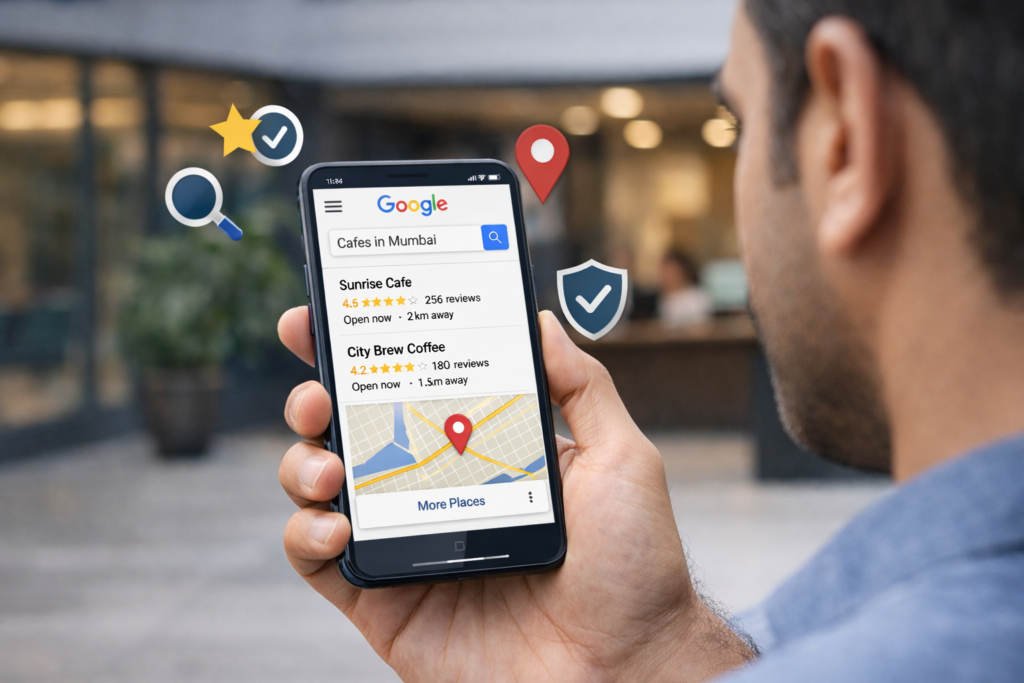
Most Indian businesses don’t need nationwide attention. A salon in Jaipur, a CA in Ludhiana, or a restaurant in Indore needs nearby customers—not random clicks.

This is exactly what local seo services india focus on. The work revolves around:

  • Optimizing Google Business Profiles
  • Building genuine local reviews
  • Ensuring accurate business details across platforms

When someone searches “near me” on their phone, local SEO determines whether you appear—or your competitor does.

E-commerce SEO: Competing Beyond Marketplaces

India’s e-commerce boom has made it easy to sell online—but difficult to stand out. Relying only on marketplaces limits margins and brand ownership.

That’s why e-commerce services matter for businesses selling directly through their own websites. This involves:

  • Optimizing product pages for search intent
  • Improving website speed for mobile users
  • Structuring categories for both users and search engines

Strong SEO allows Indian sellers to compete on quality and trust, not just discounts.

Understanding “Affordable SEO” Without Falling for Shortcuts

Price-sensitive markets often attract shortcuts. SEO is no exception.

When evaluating affordable seo services india, affordability should mean sustainable value, not unrealistic promises. Ethical SEO requires:

  • Time to build authority
  • Consistent content and optimization
  • Technical compliance with Google guidelines

Any provider guaranteeing instant rankings or overnight results is risking your domain’s long-term health.

A professional seo company in India will be transparent about timelines, explain what’s being done, and focus on measurable business outcomes—not just keyword positions.

Freelancer or Agency: Choosing What Fits Your Stage

There is no universal “best” option—only the right fit for your business maturity.

  • A solo founder or early-stage business may benefit from working directly with the best seo professional, gaining focused attention and cost efficiency.
  • Growing brands with multiple services or regions often benefit from structured teams found in top digital marketing companies in India, where strategy, content, and technical execution work together.

The key is alignment—not size.

Common Mistakes Indian Businesses Still Make

Even strong businesses struggle online due to avoidable issues:

  • Ignoring mobile performance: Most Indian users browse on budget smartphones and slow networks. Speed matters.
  • Obsessing over vanity metrics: Likes and impressions don’t pay salaries—leads and conversions do.
  • Stopping too early: SEO is cumulative. Inconsistency is the fastest way to kill results.

Practical Steps You Can Take Today

You don’t need a massive budget to start correctly:

  • Claim and optimize your Google Business Profile
  • Check website speed using PageSpeed Insights
  • Publish content that reflects Indian buying behavior, seasons, and local needs

Small, consistent actions outperform large, scattered efforts.

Final Thoughts: Digital Marketing as a Business Asset

Digital marketing is not a trend—it’s infrastructure. When approached with the right expectations, the right partners, and patience, it becomes a long-term asset that compounds trust, visibility, and revenue.

Whether you work with a freelancer, a growing agency, or a full-scale digital partner, the goal remains the same: build credibility where your customers are already looking.

If you’re ready to move beyond guesswork and build sustainable online growth, now is the time to invest in strategy—not shortcuts. Choose expertise, stay consistent, and let your digital presence work for your business every day.

shape
Our Clientele

Trusted by Leading Brands