I N C I N Q U E

Loading

How Demand Generation Drives Long-Term Business Growth

Incinque HR team managing global recruitment and international talent profiles on a digital dashboard.

In today’s competitive market, businesses need more than just quick sales; they need consistent demand and a strong pipeline of potential customers. This is where Demand Generation plays a critical role.

By combining strategic marketing efforts with data-driven insights, businesses can attract the right audience, nurture prospects, and convert them into loyal customers. A well-planned Demand Generation Strategy not only improves brand awareness but also strengthens Lead Generation, enabling companies to achieve sustainable Business Growth.

Understanding Demand Generation

Demand Generation refers to the process of creating awareness and interest in a company’s products or services. It focuses on building trust with potential customers through valuable content, targeted campaigns, and strategic communication.

Unlike traditional marketing, demand generation works across the entire Marketing Funnel from awareness to consideration and conversion. By combining Inbound Marketing, content marketing, and digital campaigns, businesses can attract qualified prospects and guide them toward making a purchase.

Demand Generation vs Lead Generation

Although often used together, Demand Generation and Lead Generation have different objectives.

  • Demand Generation focuses on creating awareness and interest in your brand.
  • Lead Generation focuses on capturing information from interested prospects and converting them into potential customers.

For example, content marketing, webinars, and thought-leadership articles help generate demand, while landing pages, forms, and downloadable resources capture leads for further engagement. A successful Lead Generation Strategy works hand-in-hand with demand generation to create a strong sales pipeline.

The Role of B2B Lead Generation in Business Growth

For companies targeting other businesses, B2B Lead Generation is essential. Unlike consumer marketing, B2B sales cycles are longer and involve multiple decision-makers. Effective B2B Marketing Strategy focuses on identifying the right audience, understanding their challenges, and providing solutions that address their needs.

Tools such as account-based marketing (ABM), targeted email campaigns, and LinkedIn outreach help businesses connect with high-value prospects.When businesses implement a structured Customer Acquisition Strategy, they can attract qualified leads, build relationships, and increase long-term revenue.

How Demand Generation Supports Long-Term Growth

Strengthens Brand Awareness

Demand generation campaigns focus on educating the audience about a brand’s expertise and value. Through blogs, webinars, and social media engagement, businesses can establish authority in their industry.

Improves Lead Quality

Instead of collecting random contacts, demand generation attracts prospects who are genuinely interested in the product or service. This leads to higher-quality leads and better conversion rates.

Supports a Strong Sales Funnel

A structured Sales Funnel Strategy ensures that potential customers move smoothly from awareness to purchase. Demand generation fills the top of the funnel, while lead nurturing strategies guide prospects toward conversion.

Builds Long-Term Customer Relationships

Demand generation focuses on providing value rather than immediate sales. This approach builds trust and encourages long-term partnerships with customers.

Enhances Digital Marketing Performance

When integrated with Digital Marketing Strategy, demand generation improves the effectiveness of SEO, paid ads, and social media campaigns. Data insights help marketers refine targeting and optimize campaigns for better results.

Key Strategies for Effective Demand Generation

  • Content Marketing: Creating valuable and informative content is one of the most effective ways to generate demand. Blog articles, whitepapers, and case studies help businesses educate their audience and establish authority.
  • Inbound Marketing: Inbound Marketing focuses on attracting potential customers through useful and relevant content. Instead of pushing sales messages, businesses provide solutions to customer problems, which builds trust and engagement.
  • Marketing Automation: Using marketing automation tools helps businesses nurture leads through personalized email campaigns, follow-ups, and targeted messaging.
  • Data-Driven Insights: Analyzing customer data allows businesses to refine their Customer Acquisition Strategy and improve campaign performance.

Integrating Demand Generation with the Marketing Funnel

A successful Marketing Funnel includes multiple stages:

  1. Awareness – Attracting potential customers through content, SEO, and social media.
  2. Interest – Engaging prospects with valuable information and insights.
  3. Consideration – Demonstrating how your product or service solves their problems.
  4. Conversion – Turning prospects into customers through effective Lead Generation Strategy and sales engagement.

By aligning demand generation activities with each stage of the funnel, businesses can maximize conversions and drive long-term growth.

Conclusion

A strong Demand Generation Strategy combined with an effective Lead Generation Strategy is essential for sustainable business growth. By optimizing the marketing funnel, leveraging inbound marketing, and implementing a results-driven digital marketing strategy, businesses can attract the right audience and convert them into loyal customers.

At Incinque Business Solutions, we specialize in B2B lead generation, customer acquisition strategies, and targeted demand generation campaigns that help businesses connect with decision-makers and drive long-term growth. Partner with Incinque to turn demand into real business opportunities.
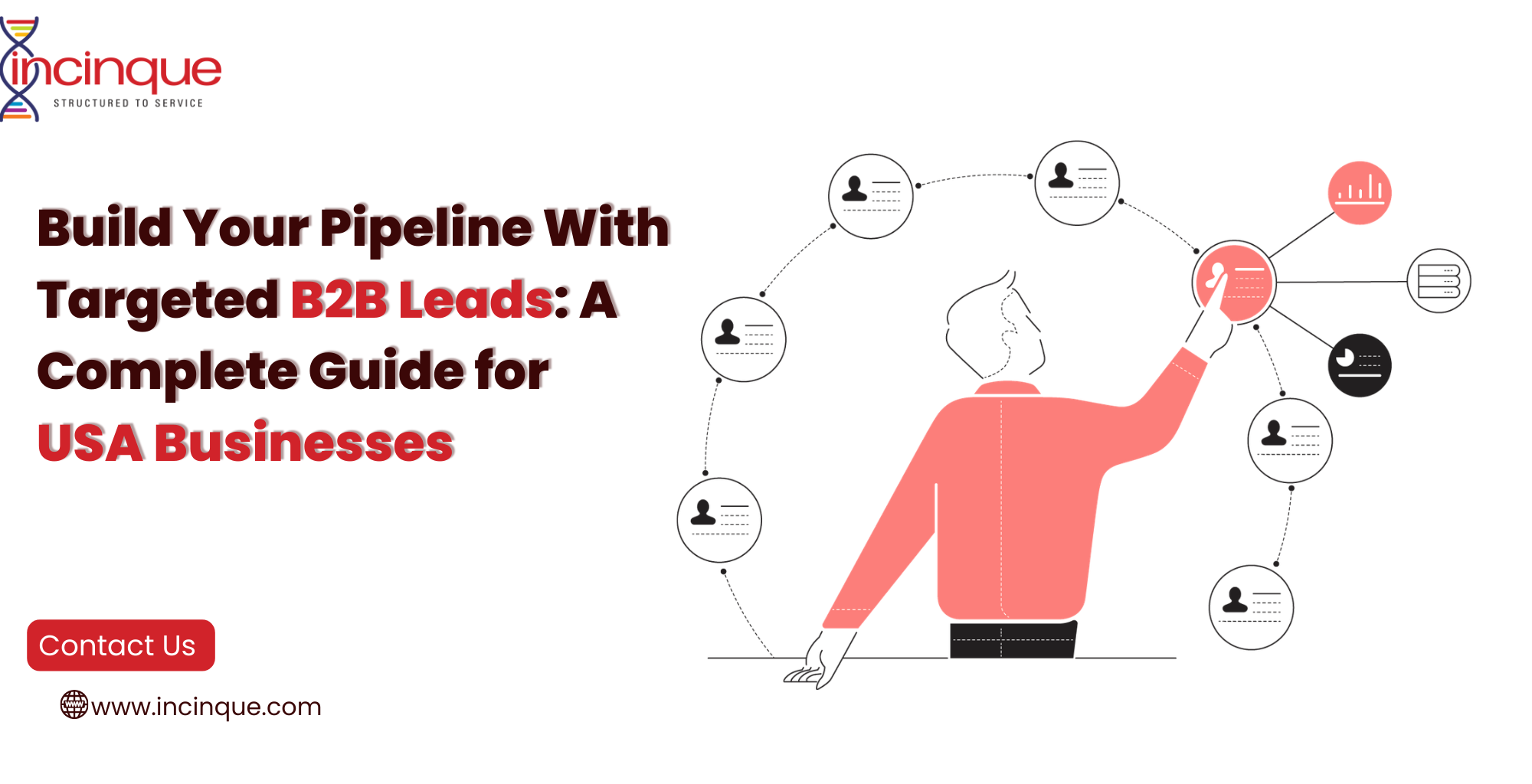

Build Your Pipeline with Targeted B2B Leads: A Complete Guide for USA Businesses

"Build Your Pipeline With Targeted B2B Leads: A Complete Guide for USA Businesses" by Incinque, featuring an illustration of a professional selecting customer profiles.

In today’s competitive U.S. market, building a strong sales pipeline requires more than random outreach or cold emails. Companies need targeted B2B lead generation services USA businesses can rely on to consistently attract qualified prospects. Whether you are a SaaS company, a consulting firm, or a professional services provider, the ability to generate high-intent leads determines your long-term revenue growth.

Why Targeted B2B Lead Generation Matters

Unlike B2C marketing, B2B buyers are rational, research-driven, and focused on ROI. Decision-makers evaluate vendors carefully before making purchasing decisions. That’s why businesses must focus on targeted B2B lead generation strategies instead of generic mass marketing.

A strong B2B lead generation approach helps you:

  • Reach decision-makers instead of random contacts
  • Improve conversion rates
  • Shorten sales cycles
  • Reduce customer acquisition cost
  • Build predictable revenue

For growing companies, especially those searching for B2B lead generation for small business, targeting the right audience is critical to avoid wasting marketing budgets.

Understanding Qualified B2B Leads

Before launching any campaign, it is essential to understand what truly makes a lead “qualified.” When businesses look for ways on how to generate qualified B2B leads, they are usually referring to prospects who fit their Ideal Customer Profile (ICP), have decision-making authority, demonstrate clear buying intent, and possess a defined business need.

Not all leads deliver the same value. A smaller number of high-intent prospects is far more powerful than a large database of unqualified contacts. This is why many organizations focus on targeting high-intent B2B lead search terms, ensuring they attract decision-makers who are actively searching for solutions and are more likely to convert into long-term customers.

Best B2B Lead Generation Solutions for U.S. Companies

There are multiple channels that contribute to effective lead generation. The key is integration.

Content Marketing & SEO

Educational content builds trust and attracts organic traffic. Companies that rank for best practices for B2B lead generation often gain authority in their niche.

For technology companies, publishing content around B2B lead generation ideas for technology companies helps attract relevant audiences actively searching for solutions.

LinkedIn & Account-Based Marketing

LinkedIn is a powerful platform for U.S.-based B2B outreach. Using Account-Based Marketing (ABM), companies can directly target decision-makers within selected organizations.

This approach is particularly useful for:

  • B2B lead generation for professional services
  • Enterprise SaaS companies
  • Consulting firms

ABM ensures that marketing efforts focus on high-value accounts rather than broad audiences.

Paid Advertising & Retargeting

Paid campaigns using Google Ads and LinkedIn Ads can generate immediate visibility. Businesses looking for affordable B2B lead generation services often combine paid advertising with retargeting strategies to maximize results.

Retargeting helps re-engage website visitors who showed interest but did not convert, improving overall ROI.

Email Marketing & Automation

Email remains one of the most cost-effective channels. Automated email nurturing sequences educate prospects over time. Automation tools ensure no potential opportunity is missed.

The Role of Lead Lists & Data Quality

Data plays a major role in B2B success, as many sales teams rely on targeted B2B lead lists for sales teams to accelerate prospecting efforts and connect with the right decision-makers. Having access to relevant and well-structured data allows businesses to focus their outreach on companies that match their Ideal Customer Profile (ICP), improving efficiency and reducing wasted effort.

However, purchasing random or unverified databases can harm performance and damage brand credibility. Instead, businesses should focus on verified contact data, proper industry segmentation, accurate geographic targeting, and intent-based signals. Clean and accurate data not only improves campaign efficiency but also protects sender reputation, increases deliverability, and significantly boosts the chances of converting prospects into qualified opportunities.

Building an Effective B2B Lead Generation Campaign

Successful campaigns combine strategy with execution. Reviewing B2B lead generation campaign examples can provide insights into what works.

An effective campaign typically includes:

  1. Clear audience definition
  2. Strong value proposition
  3. Multi-channel outreach
  4. Lead nurturing workflows
  5. Continuous performance tracking

Companies seeking B2B lead generation consulting USA services often benefit from expert guidance in structuring scalable systems rather than relying on isolated tactics.

Affordable & Scalable Growth

Many startups and small companies assume that lead generation requires large marketing budgets and heavy advertising spend. However, B2B lead generation for small businesses can be highly effective and affordable when approached strategically. Success does not always depend on how much you spend, it depends on how well you plan, target, and optimize your efforts.

Businesses can control costs by focusing on long-term, sustainable strategies such as organic SEO to attract inbound traffic, using automation tools to streamline outreach, optimizing landing pages to improve user experience, and continuously improving conversion rates. Retargeting warm audiences who have already interacted with your brand is another cost-effective method to increase conversions. Investing in the best B2B lead generation solutions does not always mean spending more, it means spending smarter, maximizing efficiency, and focusing on activities that generate measurable ROI.

Measuring Success: Metrics That Matter

To build a predictable pipeline, companies must track:

  • Cost per lead
  • Conversion rate
  • Sales-qualified leads
  • Customer acquisition cost
  • Pipeline value
  • Revenue contribution

The ultimate goal is not just lead volume but revenue impact.

Businesses that prioritize ROI-driven strategies consistently outperform competitors in the U.S. market.

The Future of Targeted B2B Lead Generation

As digital competition increases, personalization and intent data will define success. Companies must shift from generic outreach to precision targeting.

Future-ready strategies include:

  • AI-driven prospect research
  • Behavioral tracking
  • Hyper-personalized email outreach
  • Integrated CRM and marketing automation
  • Data-driven segmentation

Organizations that adapt quickly will continue building high-quality pipelines and sustainable revenue streams.

Conclusion

Building your pipeline with targeted B2B leads requires more than just outreach; it demands strategy, precision, and consistent execution. At Incinque Business Solutions, we help businesses leverage targeted B2B lead generation services USA companies trust, while implementing proven best practices for B2B lead generation that align marketing efforts with clear revenue goals.

Whether you are exploring B2B lead generation consulting USA, searching for affordable B2B lead generation services, or adopting B2B lead generation tools for small companies, our approach focuses on attracting high-intent prospects who are ready to engage and convert. In today’s competitive U.S. market, targeted B2B lead generation is not just a tactic  it is a scalable growth engine. With Incinque Business Solutions, you don’t just generate leads, you build predictable pipelines, measurable ROI, and long-term business success.

What Is Public Relation Services and Why Your Brand Needs It

An illustration of a diverse corporate team celebrating and giving a high-five together to showcase positive brand community alignment and public relations collaboration.

In today’s fast-paced digital environment, brands compete not only on products and pricing but also on credibility, reputation, and trust. Consumers are more informed than ever, and their purchasing decisions are heavily influenced by how they perceive a brand. This is where Public Relations (PR) Services play a vital role.


Public Relations is not simply about media exposure or press releases. It is a strategic communication process that helps businesses build strong relationships with their audience, manage public perception, and maintain a positive brand image. In a world driven by online reviews, social media conversations, and instant news cycles, PR has become an essential component of modern business strategy.

What Is Public Relations and How It Work

Public Relations is the strategic management of communication between a brand and its stakeholders including customers, media professionals, investors, employees, and the broader public. The primary goal of PR is to shape and maintain a favorable public image while building long-term relationships based on trust.

Unlike paid advertising, PR focuses primarily on earned media rather than paid placements. Earned media refers to publicity gained through editorial coverage and third-party mentions instead of direct payment. Examples include:

  • Press coverage in newspapers, magazines, and online publications
  • Media interviews and expert commentary
  • Feature stories highlighting brand achievements
  • Influencer mentions and collaborations
  • Event publicity and media attendance

PR professionals develop strategic messaging aligned with a company’s goals and values. They craft compelling stories, pitch them to relevant media outlets, and ensure consistent communication across platforms. By doing so, they help influence public perception positively.

A strong PR strategy involves understanding the target audience, identifying the right communication channels, and delivering messages that resonate. It also includes monitoring public sentiment and responding proactively to feedback or potential crises.

Why Your Brand Needs Public Relations Services

Builds Brand Credibility

One of the most significant advantages of Public Relations is its ability to enhance brand credibility. When a respected journalist, publication, or industry expert speaks positively about your business, it carries more weight than a traditional advertisement. Third-party validation strengthens brand trust and positions your company as a reliable and authoritative player in the industry.

Protects Brand Reputation

In the digital age, negative news can spread rapidly. A single complaint or misunderstanding can escalate quickly if not handled properly. PR services include crisis communication, which ensures that businesses respond to challenges professionally and strategically.


Effective crisis management involves clear messaging, timely responses, and transparency. By addressing issues proactively, brands can minimize reputational damage and maintain public confidence.

Strengthens Media Relations

Media relationships are at the heart of successful PR. Building strong connections with journalists, editors, bloggers, and influencers increases the likelihood of consistent positive coverage.


PR professionals understand how the media works. They know what makes a story newsworthy and how to present it in a way that aligns with editorial interests. Over time, these relationships create ongoing opportunities for brand exposure.

Improves Online Visibility

Modern Public Relations extends beyond traditional media. Digital PR combines classic outreach techniques with online strategies, including SEO-focused content and online publications.


When your brand is mentioned on high-authority websites, it not only enhances credibility but also improves search engine rankings. This increased visibility can drive organic traffic and strengthen your online presence.

Supports Business Growth

A strong public image influences more than just customers. Investors, partners, and potential employees also evaluate companies based on reputation. Effective PR supports business growth by creating a positive perception across all stakeholder groups.


Brands with strong reputations often experience higher customer retention, improved partnerships, and greater market opportunities.

Types of Public Relations Services

Public Relations encompasses a wide range of specialized services designed to address different communication needs:


  • Media Relations: Involves pitching stories to journalists, securing press coverage, and maintaining relationships with media outlets.
  • Influencer PR: Focuses on collaborating with industry influencers and thought leaders to amplify brand messaging and reach new audiences.
  • Crisis Communication: Develops strategies to handle negative events, public issues, or reputational threats effectively and professionally.
  • Event PR: Promotes product launches, corporate events, press conferences, and campaigns to maximize media attention and audience engagement.
  • Corporate Communications: Manages overall brand messaging, company announcements, executive communications, and stakeholder updates.
  • Internal Communications: Ensures employees understand company values, goals, and messaging, fostering alignment and organizational cohesion. Each of these services contributes to building a consistent, positive, and trustworthy brand image.

The Strategic Importance of PR in the Digital Era

The digital landscape has transformed how brands communicate. Social media platforms, online reviews, and 24/7 news cycles have increased transparency and accountability. Consumers expect authenticity and timely communication.


Public Relations helps businesses navigate this environment by:

  • Monitoring brand mentions and public sentiment
  • Managing social media communication
  • Addressing misinformation quickly
  • Ensuring consistent brand messaging


PR is no longer optional for growing businesses. It is a strategic investment that strengthens competitive positioning and long-term sustainability.

Conclusion

In today’s competitive marketplace, Public Relations is more than just media exposure; it is a strategic driver of brand reputation, credibility, and sustainable growth. Businesses that invest in structured PR Services gain stronger visibility, improved trust, and long-term market authority.

At Incinque Business Solutions, we help brands craft powerful narratives, build meaningful media relationships, and protect their public image through result-driven Public Relations strategies. Our approach ensures your brand is not only seen but respected, trusted, and remembered.

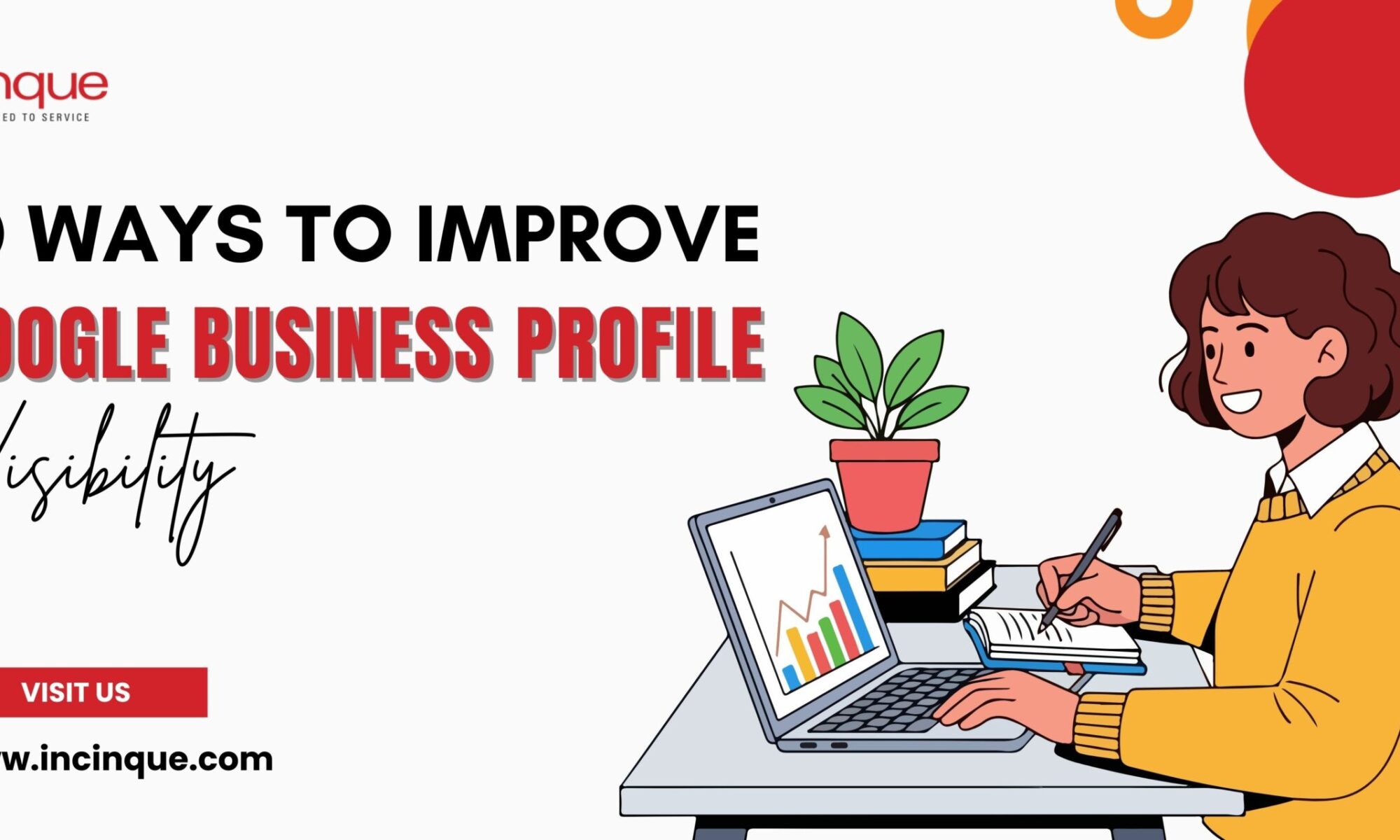
10 Ways to Improve Google Business Profile Visibility

A professional tracking analytics and optimizing Google Business Profile visibility on a laptop.

Most business owners believe opening a shop, setting up an office, or launching a website is the toughest part. In reality, that is only the beginning. The real test happens when someone nearby searches for a service and your business does not appear. It feels strange. Almost like your doors are open but nobody can see the entrance.

Your Google Business Profile often becomes the first interaction people have with your business. Before they click your website or check your social pages, they notice your photos, your reviews, your hours, and how active you seem. Many customers decide whether they trust you within seconds just by scanning that information.

Improving local visibility is not about luck or chasing tricks. It comes down to small actions done consistently. Over time, these habits signal to both Google and real people that your business is active, reliable, and worth showing.

Complete Your Profile Fully and Thoughtfully

Many businesses stop after adding their name and phone number. That leaves the profile feeling unfinished. Include detailed services, updated hours, booking links, and a description written like a real human introduction. When your profile feels alive, people feel more comfortable reaching out.

Pick Categories the Way You Explain Your Work in Real Conversations

Being specific helps more than being broad. If you run an Italian restaurant, say Italian restaurant. If you offer emergency electrical work, say emergency electrician. Secondary categories help too, but only when they stay relevant and focused.

Keep Your Business Details Identical Everywhere Online

Your name, address, and phone number should look exactly the same across directories, social platforms, and your website. Even small changes in wording can confuse search engines. Consistency quietly builds credibility behind the scenes.

Encourage a Steady Flow of Reviews Instead of Sudden Bursts

A few new reviews each month feel natural and trustworthy. Encourage customers to share details about the service they received and their experience. Real stories help future customers picture working with you.

Reply to Every Review With Genuine Attention

People watch how you respond more than what the review originally said. A thoughtful reply shows professionalism and care. When it feels natural, mentioning your service or location in responses helps reinforce your local presence.

Share Real Photos And Short Videos Regularly

Customers connect with authentic visuals more than polished stock images. Show your workspace, your team, and real daily moments. When photos are linked to your physical location, they strengthen your local relevance.

Post Updates Directly On Your Profile Often

Small updates about offers, events, or helpful tips keep your profile active. Treat these posts like casual conversations instead of advertisements. Active profiles tend to attract more attention and engagement.

Write Descriptions The Way Customers Actually Speak

People now ask their phones questions in everyday language. Instead of stuffing keywords, think about real questions your customers ask. Include natural phrases that reflect how people talk when searching for help.

Add Questions and Answers Before Customers Even ask

You already know the common concerns people have. Pricing, appointment processes, parking, or delivery options are all useful topics. Filling your Q and A section removes uncertainty and builds trust early.

Connect Your Website Properly Using Structured Data

Adding LocalBusiness schema to your website helps search engines understand your location and services clearly. This technical step strengthens your chances of appearing in local map results without customers ever noticing the work happening behind the scenes.

Running a business already demands your full attention. Keeping up with profile updates, algorithm changes, and content consistency can easily turn into another job on your plate.

If you want to focus on growth instead of guessing what works, Incinque Business Solutions helps businesses improve local search visibility through practical local SEO strategies. The goal is simple. Help your business appear exactly where customers are already looking.

If you are unsure where to start, consider running a local SEO audit of your current profile or creating a simple posting plan that keeps your presence active without overwhelming your schedule.

AI’s Role in Changing Tech Recruitment Strategies

An AI robot typing on a laptop to optimize and automate tech recruitment strategies.

Technology hiring isn’t what it used to be. A few years ago, recruitment meant posting job ads, waiting for resumes, and hoping the right candidate appeared. Today, things move faster – roles evolve quickly, skills change constantly, and businesses need smarter hiring approaches. That’s where AI is reshaping modern IT hiring services and completely changing how companies find talent.

Many organizations struggling with affordable IT hiring solution challenges are now turning to AI-driven recruitment tools to simplify complex hiring processes and stay competitive.

From Manual Hiring to AI-Powered Hiring Staff

Recruiters used to spend hours reviewing resumes manually. It was slow, repetitive, and often inconsistent. Now, AI-powered hiring staff tools analyze thousands of profiles in minutes. They match skills, experience, and even behavioral patterns to job roles –  helping recruiters focus on meaningful conversations rather than paperwork.

This shift doesn’t remove human judgment. Instead, it enhances it. Recruiters still make final decisions, but AI helps shortlist candidates faster and more accurately.

How AI Is Changing Technology Hiring Models

Traditional hiring models relied heavily on past job titles or degrees. But technology roles are evolving too quickly for that approach. AI tools evaluate real skills – coding patterns, certifications, portfolio work, and learning ability – rather than just resumes.

This is one of the biggest ways AI is changing technology hiring models today. Companies are moving from role-based hiring to skill-based hiring. That means startups and enterprises can discover hidden talent who may not fit traditional hiring molds but have strong technical potential.

Solving the 15 Common Challenges Faced by IT Recruitment Agencies

Many 15 common challenges are facing IT recruitment agency teams today – from talent shortages to long hiring cycles. AI helps reduce several of these barriers:

  • Speeds up candidate screening and reduces hiring time
  • Improves technical assessment accuracy
  • Identifies passive candidates from multiple platforms
  • Predicts candidate success based on data trends
  • Reduces bias through structured evaluation frameworks

Instead of relying only on intuition, recruiters now combine human experience with data-backed insights.

Making IT Hiring Services More Affordable and Efficient

One of the biggest concerns businesses face is cost. Hiring mistakes are expensive – both financially and operationally. AI reduces unnecessary hiring cycles, improves candidate matching, and minimizes time spent on unqualified applicants.

This creates a more affordable IT hiring solution for growing companies that need skilled tech professionals without expanding large internal HR teams. Automated workflows also reduce repetitive administrative work, allowing recruiters to focus on strategy and relationship building.

Data-Driven Decision Making in Recruitment

AI doesn’t just help with sourcing candidates. It also provides valuable insights into hiring trends. Companies can track:

  • Which job descriptions attract the best candidates
  • Which hiring channels generate high-quality applicants
  • Time-to-hire performance across roles
  • Market salary benchmarks and talent availability

These insights help businesses refine their recruitment strategies continuously – making IT hiring services more predictive rather than reactive.

Balancing Technology with the Human Touch

While AI brings speed and structure, successful recruitment still depends on human empathy. Culture fit, communication skills, and long-term career alignment require human conversations. The best technology staffing strategies combine AI efficiency with human understanding.

Companies that treat AI as a support system – not a replacement – tend to achieve better hiring outcomes.

The Future of Tech Recruitment

As AI continues to evolve, recruitment will become more personalized and proactive. Predictive analytics may soon suggest hiring needs before teams even realize they need new talent. Automated skill assessments will become more dynamic, and remote hiring processes will become even smoother.

For businesses, this means faster access to skilled professionals. For recruiters, it means more time to focus on building strong relationships rather than managing spreadsheets.

Final Thoughts

AI is no longer just a buzzword in recruitment – it’s becoming a foundational part of modern IT hiring strategies. From improving candidate matching to reducing hiring costs, AI-powered hiring staff tools help companies overcome traditional hiring challenges and build stronger technical teams.

Organizations that adapt early – combining advanced technology with experienced recruiters – are better positioned to attract top talent and stay competitive in an evolving digital workforce.

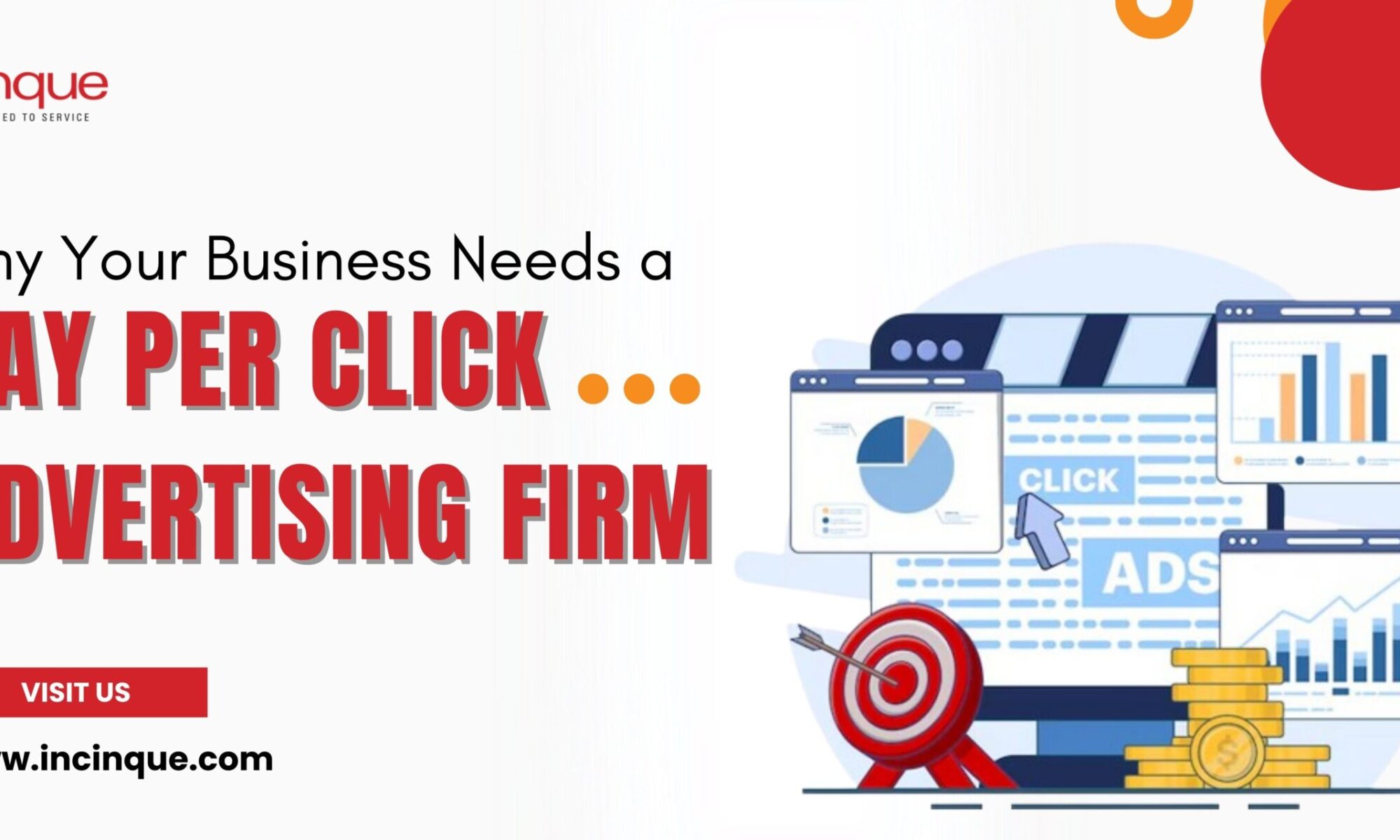
Why Your Business Needs a Pay Per Click Advertising Firm

A digital dashboard showcasing PPC analytics, graphs, and a target arrow for paid advertising campaigns.

I remember talking to a small business owner who proudly told me, “We’re running ads already – how hard can PPC be?” A month later, the same person came back frustrated. The clicks were there, but the leads? Almost none. The budget was disappearing faster than expected. That’s usually the moment when businesses realize that running ads and running effective PPC advertising campaigns are two completely different things.

A good Pay Per Click Advertising Firm doesn’t just switch ads on. They step into your business mindset – understanding what you sell, who you’re trying to reach, and where your customers are actually searching. Because honestly, ads without strategy feel a bit like throwing flyers into the wind and hoping someone calls back.

When Guesswork Turns Into Strategy

Most businesses begin with enthusiasm. They pick a few keywords, write a quick ad, and set a daily budget. It feels productive – until the analytics start showing random traffic and low conversions. That’s where a PPC Management Company brings clarity.

Instead of guessing, they break down search intent. Who’s ready to buy? Who’s just researching? Which keywords drain money without results? I’ve seen campaigns transform just by restructuring ad groups and adjusting targeting. Same budget, better outcomes – simply because someone experienced was paying attention to the details.

The Budget Reality Nobody Talks About

Let’s be honest – ad spend can feel scary. Watching money go out without immediate returns creates anxiety, especially for growing businesses. Without expertise, it’s easy to overbid on competitive keywords or attract clicks from people who were never going to convert.

An experienced Pay Per Click Advertising Firm treats your budget like it’s their own. They monitor cost per click, conversion rates, and engagement patterns daily. Sometimes they pause campaigns that look “busy” but aren’t profitable – a move many business owners hesitate to make themselves.

Over time, those small adjustments turn into something powerful: better ROI without constantly increasing spend.

Understanding the People Behind the Clicks

One thing that changed my perspective on PPC was realizing it’s not just technical – it’s human. Behind every click is someone searching for a solution. A strong PPC team digs into behavior patterns: mobile vs desktop users, peak activity hours, geographic trends, and customer pain points.

They don’t just choose keywords – they design experiences. Ads speak directly to problems customers are already trying to solve. That level of personalization is what turns casual clicks into real conversations.

SEO vs PPC A Question Every Business Asks

Sooner or later, someone brings up the debate: SEO vs PPC. And honestly, it’s the wrong question. I’ve worked with businesses that relied entirely on SEO work for small businesses – and while it built credibility, they struggled with slow growth in the early months.

PPC, on the other hand, brings immediate visibility. You can test messaging, validate offers, and learn what your audience responds to almost instantly. Over time, insights from PPC campaigns often guide SEO strategies – revealing which keywords actually convert instead of just driving traffic.

When both channels work together, marketing stops feeling like a gamble and starts feeling like a system.

The Hidden Benefit: Peace of Mind

One thing people rarely mention is how stressful managing ads can be internally. Constant monitoring, performance checks, competitor research – it adds up. Teams already juggling multiple responsibilities often struggle to keep campaigns optimized.

Working with a PPC Management Company removes that pressure. Instead of reacting to fluctuating performance, you have experts proactively testing, adjusting, and improving campaigns. It frees your team to focus on sales, service, and growth rather than spreadsheets and dashboards.

Final Thoughts

Hiring a Pay Per Click Advertising Firm isn’t about outsourcing control – it’s about gaining perspective. They bring structure to your PPC advertising campaigns, protect your budget, and help you understand what’s actually working in real time.

At the same time, combining PPC with SEO work for small businesses creates balance. PPC gives you speed and data; SEO builds long-term trust and authority. Together, they form a strategy that supports both immediate results and sustainable growth.

In a world where attention moves fast and competition moves faster, businesses that invest in expert PPC support don’t just get more clicks – they gain clarity, confidence, and a marketing engine that evolves with their goals. 

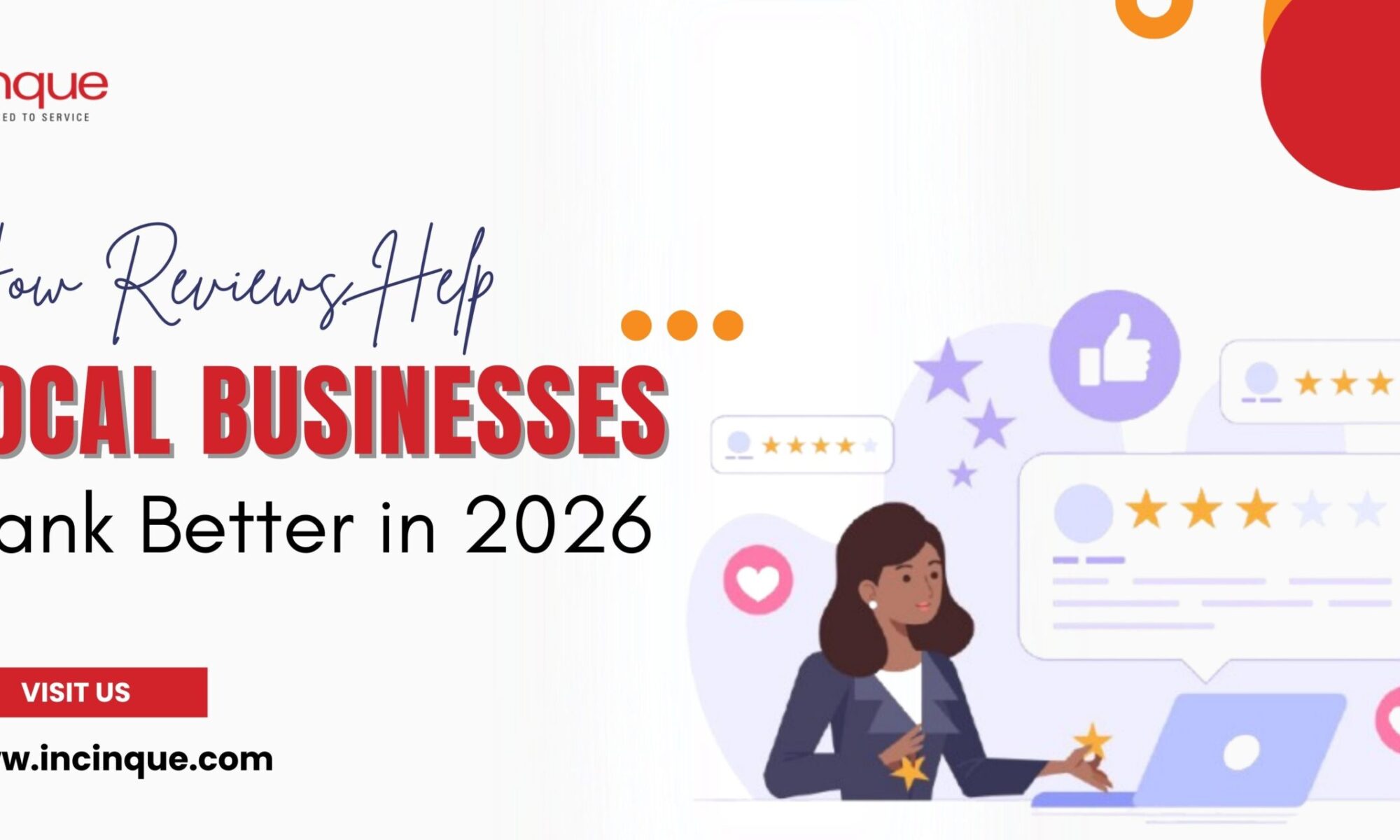
How Customer Reviews Strengthen Local Business SEO in 2026

A business professional managing customer reviews and five-star ratings on a laptop.

Local SEO Is No Longer Just About Keywords

A few years ago, most businesses believed ranking locally was just about adding the right keywords to a website. But things have changed – fast. In 2026, local business seo is shaped more by trust signals and real customer experiences than by technical tricks alone.

Think about how people actually choose businesses today. They scroll through reviews, compare ratings, and look for proof that others had a good experience. Search engines noticed this behavior long ago. Now, they rely heavily on customer feedback to understand which businesses truly deserve visibility.

Reviews are no longer just testimonials – they are a core part of Digital Marketing and local seo for businesses trying to grow sustainably.

1. Reviews Build Prominence and Trust Signals

Local rankings typically depend on relevance, distance, and prominence. While you can’t change where your office is located, you absolutely can influence how trustworthy your business appears online.

Consistent reviews show search engines that your business is active and delivering real value. When customers share honest experiences, it creates a digital footprint that strengthens credibility. Potential customers also feel more confident choosing businesses with visible, authentic feedback.

In practical terms, steady and genuine reviews help build authority – and authority improves local search performance.

2. Reviews Add Natural Keyword Relevance

One overlooked advantage of reviews is how naturally customers describe their experiences. They mention services, locations, and real problems they solved – often using language businesses wouldn’t think to include on their website.

For example, a customer might talk about quick laptop rentals in Gurgaon or responsive tech support during an urgent project. This user generated content helps search engines understand your business context more deeply.

Modern AI-driven algorithms analyze these phrases and connect your business with specific, long-tail searches. Over time, this strengthens local business seo without needing forced keyword placement.

3. Consistency Matters More Than Volume

Many businesses chase large numbers of reviews, but consistency often matters more than sheer quantity. Search engines track how frequently new reviews appear – a concept often called review velocity.

Regular feedback signals that your business is active and still delivering positive experiences today. On the other hand, sudden bursts of reviews followed by months of silence can feel unnatural or outdated.

For sustainable local seo for businesses, focus on steady engagement rather than one-time campaigns.

4. Reviews Influence Clicks and Customer Decisions

When users search locally, listings with strong ratings naturally attract more attention. Star ratings influence whether someone clicks your listing, calls your business, or requests directions.

Search engines observe these behavioral signals closely. If users consistently choose one business over competitors, it reinforces trust and relevance – often leading to improved rankings.

This creates a cycle: better reviews lead to higher engagement, and higher engagement strengthens visibility within your Digital Marketing ecosystem.

5. Practical Review Strategies That Actually Work

Strong review management doesn’t require complicated systems—just consistent habits:

  • Ask customers for feedback soon after completing a service
  • Respond to reviews quickly to show professionalism
  • Address negative comments calmly and transparently
  • Use structured data to display ratings in search results
  • Encourage reviews across multiple trusted platforms

Businesses that treat feedback as part of everyday operations – not just marketing – build stronger reputations over time.

Conclusion

Customer reviews have become one of the strongest drivers of local business in 2026. They help businesses build trust, improve visibility, and influence how customers choose services in local search results. When managed consistently, reviews strengthen overall Digital Marketing efforts and support long-term growth.

Businesses that actively collect feedback, respond professionally, and focus on genuine customer experiences often see stronger results in local seo for businesses compared to competitors who ignore engagement and reputation management.

If your business is looking to improve local search performance and needs structured, practical guidance, you can Contact Incinque Team for informational support and direction based on your specific business goals and growth plans.

Public Relations Firm: How It Helps Your Brand

A business professional holding a megaphone to amplify a brand's public relations strategy.

In the digital world, having a great product is just the starting line. I’ve seen too many solid brands struggle simply because people didn’t trust them yet. And trust – real trust – doesn’t come from ads. It comes from how others talk about you when you’re not in the room. That’s where a public relations firm quietly changes everything.

Advertising tells people who you are. PR shows them why they should believe you.

When Others Talk About You, People Listen

When your brand gets mentioned in a respected publication, or a blogger genuinely talks about your story, it feels different to the audience. It’s not you trying to sell something. It’s someone else saying, “This matters.”

That kind of third-party validation is what a top public relations company focuses on – turning visibility into credibility. And credibility, over time, turns into real business growth.

PR and Digital Marketing Services Are Now Deeply + Connected

What many people still don’t realize is how closely PR and Digital Marketing Services are connected now. It’s not just press releases and media calls anymore.

A smart online PR agency works alongside marketing, SEO, and content teams so your message feels consistent everywhere. When reputable sites link to you, Google notices. When your story gets shared, people remember you. And suddenly, your brand starts showing up in conversations you didn’t even pay for.

Why Digital Marketing for Startups Needs PR from Day One

For early-stage companies, digital marketing for startups often feels overwhelming. You need traffic, trust, investors, and customers – usually all at once, and with limited resources.

PR can act as a shortcut. Investors want proof that people care about your brand. Customers want a story they can connect with. A good PR team helps shape that narrative, highlight the founder’s journey, and make the brand feel human instead of just another startup chasing attention.

Reputation Is Fragile PR Helps You Protect It

Anyone who’s been in business long enough knows how fragile reputation can be. One negative review, one misunderstood post, one viral comment – things can spiral quickly.

A professional online PR agency keeps an eye on the conversation and knows how to respond before a small issue turns into a public problem. You don’t always see this work happening, but when you need it, it matters more than anything else.

Becoming a Brand People Look Up To

Over time, PR does something even more valuable: it builds authority. When your leaders speak at events, appear on podcasts, or write for industry publications, people start to see your brand as a source of insight – not just a vendor.

That’s when customers come to you first, not because of a discount, but because they trust your perspective.

PR Isn’t Just Publicity It’s Long Term Leverage

So, no PR isn’t just about “getting your name out there.” It’s about building a reputation that makes every marketing effort work harder. It’s about credibility that compounds over time. And in a crowded digital space, that’s often the difference between being seen and being remembered.

If you’re curious how a tailored PR strategy could actually move your search rankings, authority, and brand perception – not just in theory, but in practice – that’s a conversation worth having.

If this is something you’re exploring, you can contact us to learn more about how PR and digital marketing strategies are implemented in real-world scenarios.

5 Major Benefits and Challenges of IT Staffing Services

An IT recruitment manager interviewing a technical candidate for a staffing service.

Hiring technology talent often feels like chasing a moving target. One month you need a cloud engineer, the next you’re scrambling for a cybersecurity specialist, and somewhere in between your developers are stretched thin. That pressure is why many organizations turn to IT staffing services – not just for speed, but for sanity.

Still, staffing is not a silver bullet. It can be incredibly effective, but only when businesses understand both the upsides and the trade-offs.

The Real Benefits of IT Staffing Services

1. Faster Access to Skilled Talent

One of the most noticeable benefits of IT staffing is how quickly qualified candidates enter the conversation. Instead of starting from scratch every time a role opens, companies gain access to talent pools that IT staffing agencies have been building for years.

When deadlines are looming and teams are overloaded, that speed can prevent delays, burnout, and missed opportunities.

2. Flexibility Without Long-Term Commitment

Business demand rarely stays flat. Some quarters require rapid expansion, while others call for tighter teams. IT workforce solutions make it easier to scale up for a major project and scale down when the workload stabilizes.

A tech staffing company can provide contract or project-based professionals, giving businesses room to adapt without committing to permanent headcount they may not need later.

3. Lower Hiring Overhead

Internal hiring quietly drains time and money. Job postings, screening software, recruiter hours, interviews, onboarding – none of it is free.

With IT staffing services, many of these costs are consolidated into a predictable model. For companies managing tight budgets, that clarity can make hiring feel manageable instead of chaotic.

4. Access to Specialized Skills

Technology evolves faster than most hiring processes. Suddenly, a company needs expertise in AI, DevOps, or cloud-native architecture – and the internal team doesn’t know where to start.

IT talent acquisition teams at staffing firms specialize in finding niche skills. They know how to evaluate technical depth and connect with professionals who are not actively applying for jobs but are open to the right opportunity.

5. Strategic Hiring Support

The best IT staffing firms don’t just send resumes. They act as an IT staffing and consulting partner, helping organizations plan future hiring, understand talent market trends, and build sustainable pipelines.

This strategic support often turns reactive hiring into proactive workforce planning.

The Challenges Businesses Should Expect

1. Skill Mismatch Is Still Possible

Not every staffing provider evaluates candidates with the same rigor. Without strong technical screening, there is always a risk of hiring someone who looks great on paper but struggles in real-world projects.

Choosing an experienced IT staffing agency with structured assessments reduces this risk – but it never disappears completely.

2. Cultural Fit Takes Work

Temporary or contract professionals may not immediately feel connected to the team. Without clear onboarding and communication, collaboration can feel fragmented.

Culture doesn’t come from a contract. It comes from intentional integration and clear expectations.

3. Vendor Dependency

Relying too heavily on a technology staffing company can create dependency, especially if internal hiring capabilities are neglected. If priorities shift or a vendor relationship changes, companies may feel exposed.

A balanced approach – combining internal hiring with external staffing – often works best.

4. Premium Costs for Niche Roles

Specialized technology skills come at a premium. While IT staffing services reduce recruitment overhead, niche expertise in areas like AI, cybersecurity, or cloud infrastructure can still be expensive.

Long-term planning and workforce forecasting help control these costs over time.

5. Compliance and Contract Complexity

Contract staffing involves legal terms, payroll structures, and employment regulations, especially when working with remote or global talent. Without proper processes, compliance can become complicated.

A reliable IT staffing agency typically manages contracts, documentation, and regulatory requirements, reducing administrative burden and risk.

How to Choose the Right IT Staffing Partner

Not all staffing providers operate at the same level. Businesses should look for:

  • Deep understanding of technology roles and industries
  • Strong technical screening and evaluation processes
  • Flexible staffing models for contract and permanent roles
  • Compliance and payroll management capabilities
  • Proven delivery track record and references

Speed is important, but understanding, quality, and fit matter far more.

Final Thoughts

IT staffing services can be a powerful tool for modern businesses. They offer speed, flexibility, and access to specialized talent that internal teams often struggle to source on their own. When companies partner with the right recruitment service, hiring becomes less reactive and more strategic.

At the same time, staffing requires thoughtful partnership, clear onboarding, and realistic expectations. Companies that treat staffing as a long-term collaboration – rather than a quick transactional service – tend to build stronger, more resilient teams.

In the end, IT staffing is not just about filling roles. It’s about building teams that can adapt, innovate, and deliver in an environment where technology – and expectations – never stop evolving.

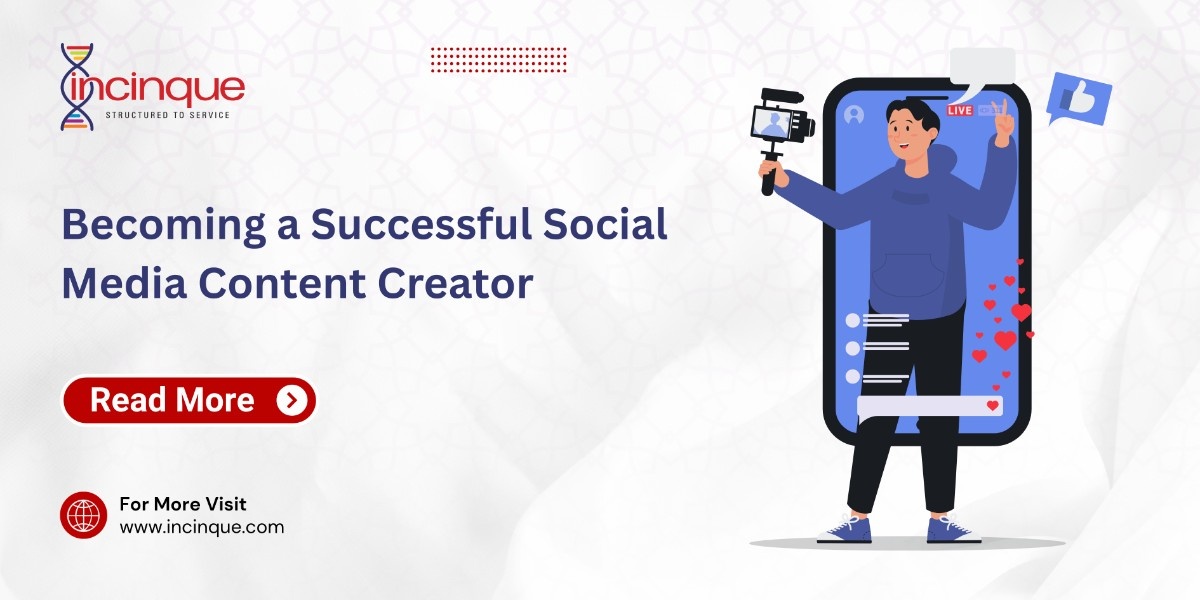
The Reality of Becoming a Social Media Content Creator: A No-Fluff Guide

An illustration of a content creator hosting a live broadcast with a camera rig in front of a giant smartphone display surrounded by social interaction likes and thumbs-up floating icons.

The idea of being a social media content creator is often sold as an easy win. A few posts, a bit of creativity, and suddenly brands are lining up. In reality, it rarely works that way. Building something sustainable in this space feels much closer to building a business than chasing a trend. It demands patience, structure, and a clear understanding of how people behave online – not just what looks good on a feed.

Whether the goal is becoming an influencer on Instagram, or intentionally becoming a micro-influencer with a smaller but highly engaged audience, the path forward is rarely about luck. The creators who last tend to treat content creation with discipline, clarity, and long-term thinking.

Finding Your “Corner” of the Internet

One of the hardest lessons creators learn is that trying to appeal to everyone almost always leads to being ignored. The internet rewards specificity. Growth starts when a creator clearly understands who they’re speaking to – and why that audience should care.

This usually begins with an honest self-assessment. What topics feel natural to explain? What problems can be broken down without forcing enthusiasm? The strongest niches sit where experience, curiosity, and credibility overlap.

For many, becoming a micro-influencer is actually the smarter path. Brands are increasingly prioritizing creators whose audiences trust them, not just those with inflated follower counts. A focused community often converts better than a massive but disengaged one.

Clarity consistently outperforms reach.

Developing a Brand’s Social Persona

Creators who want to work with brands eventually realize that consistency is not optional. A recognizable voice, tone, and value system help shape a brand’s social persona – the way an audience understands and remembers you.

This isn’t about inventing a personality. It’s about being intentional. Some creators show up as educators. Others lean into humor or lived experience. What matters is that the voice feels natural and stays consistent across content.

Visual continuity plays a role too. Repeated formats, color choices, and layout styles build familiarity. Over time, that familiarity becomes trust.

Every post should earn its place. If it doesn’t educate, entertain, or genuinely help, it usually doesn’t need to be published.

Understanding How Instagram Actually Works

Success on Instagram today goes far beyond having a polished grid. The platform prioritizes behavior – how long people watch, save, or share your content.

Short-form video drives discovery. Strong hooks in the first few seconds matter more than ever when becoming an influencer on Instagram. Stories create connection by showing the unpolished moments that make creators feel human. Carousels slow people down and invite saves, especially when they explain something clearly or solve a problem.

Each format has a role. Creators who understand this tend to grow with more consistency and less frustration.

The Unexciting Work That Drives Real Growth

Growth becomes unpredictable without data. This is why experienced creators regularly review performance, even when it challenges their assumptions.

A social media content audit brings clarity. Looking at saves, shares, and retention reveals what actually resonates. Letting go of underperforming content – even when it feels personally meaningful – is often necessary for long-term growth.

When creators begin working with brands, a social media report becomes essential. Beyond follower counts, brands want to see engagement rate, audience demographics, and proof that content influences real behavior.

Data turns creativity into a repeatable system.

Avoiding Burnout Before It Takes Hold

Posting more doesn’t always mean growing faster. Many creators burn out not from lack of ideas, but from relying on motivation instead of structure.

Batching content, planning in advance, and working from a content calendar reduce decision fatigue. Systems create sustainability. The creators who last are the ones who respect their energy as much as their output.

Turning Content Into a Career

A lasting career as a social media content creator isn’t built on chasing every trend. It grows from consistently delivering value to a clearly defined audience.

When creators treat their platform like a business – reviewing performance through regular audits, refining their brand’s social persona, and adapting to audience behavior – they gain stability and direction.

A smaller audience that trusts you will always outperform a large one that scrolls past silently.

Progress is rarely linear. But with patience, self-awareness, and a willingness to learn from data instead of ego, content creation can evolve from a side project into a sustainable, rewarding career.

shape
Our Clientele

Trusted by Leading Brands